
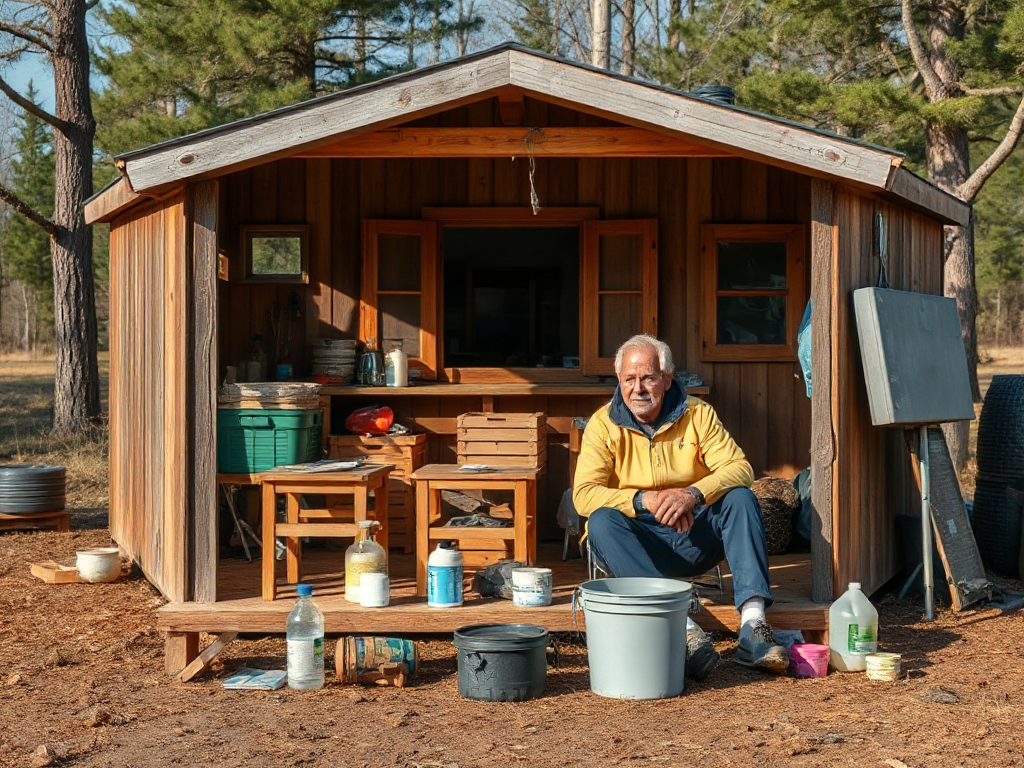
The hidden dangers of off-grid living encompass challenges such as limited access to essential resources, environmental hazards, and the complexities of achieving true self-sufficiency. Many off-grid dwellers face unexpected issues like inadequate water supply due to improper rainwater systems or crop failures from unanticipated weather changes. It's essential to have contingency plans, such as backup water sources and food storage strategies, to mitigate these risks. Additionally, being prepared for natural disasters and having emergency medical knowledge can significantly enhance safety. Understanding these factors is vital for anyone considering an off-grid lifestyle.
Understanding Resource Accessibility
Accessing basic resources is a fundamental challenge for those living off-grid. Many people assume they can easily source water, food, and energy, but this is often not the case. For instance, while rainwater harvesting can provide water, it requires proper systems and maintenance to ensure it remains clean and adequate for consumption.
Additionally, food production can be unpredictable, depending on soil quality and climate conditions. Many off-grid dwellers fail to account for seasonal changes that can drastically affect crop yields. Therefore, planning for resource accessibility is critical; having backup systems in place or alternative resources can prevent shortages and enhance sustainability.
Environmental Hazards and Safety Concerns
Living off the grid exposes individuals to various environmental hazards that they may not initially consider. Natural disasters such as floods, wildfires, or severe weather can pose immediate threats. For example, a sudden storm can damage solar panels or disrupt energy supplies, leaving residents vulnerable.
Moreover, without access to emergency services, injuries can become life-threatening. Off-grid living often means being far from medical facilities, making it vital to have first aid knowledge and supplies. Regular training in emergency preparedness can mitigate these risks and ensure safety when living in remote areas.
Common Misconceptions About Self-Sufficiency
Many individuals are drawn to off-grid living with the belief that it will grant them complete self-sufficiency. However, this notion can lead to significant challenges. For instance, the reality of producing all your food and energy is often more complex than anticipated. Many off-grid residents may find themselves relying on external resources more than they planned.
Another misconception is that off-grid living is entirely eco-friendly. While it can reduce certain environmental impacts, improper waste management and resource overuse can lead to negative consequences. Understanding these misconceptions enables individuals to adopt a more realistic approach and prepare adequately for the challenges ahead.
Practical Solutions for Off-Grid Dangers
To navigate the hidden dangers of off-grid living, individuals should implement practical solutions. First, conducting thorough research and planning is essential. This includes understanding local climate, potential risks, and resource availability. Creating a comprehensive plan that outlines backup systems for water, energy, and food can provide a safety net.
Additionally, investing in quality equipment and technology can enhance resilience against environmental challenges. For example, using robust solar energy systems and efficient water filtration methods can ensure a more reliable off-grid experience. In closing, connecting with local off-grid communities can provide valuable insights and support, helping individuals share knowledge and resources for better preparedness.
Frequently Asked Questions
What are the biggest challenges of off-grid living?
The biggest challenges include resource accessibility, environmental hazards, and the complexities of self-sufficiency.
How can I ensure a reliable water supply off-grid?
Implement rainwater harvesting systems and consider drilling a well for consistent access to water.
What safety measures should I take when living off-grid?
Establish a first aid kit, learn basic emergency response skills, and create disaster preparedness plans.
Are there misconceptions about food production off-grid?
Yes, many underestimate the challenges of consistent crop yields and the need for diverse food sources.
How can I connect with other off-grid communities?
Join online forums, local workshops, and social media groups focused on off-grid living for support and advice.
Conclusion
Understanding the hidden dangers of off-grid living is essential for anyone considering this lifestyle. By addressing resource accessibility, environmental hazards, and common misconceptions, individuals can prepare more effectively. Implementing practical solutions and connecting with others in the off-grid community will enhance safety and sustainability, ensuring a rewarding experience in a self-sufficient lifestyle.