
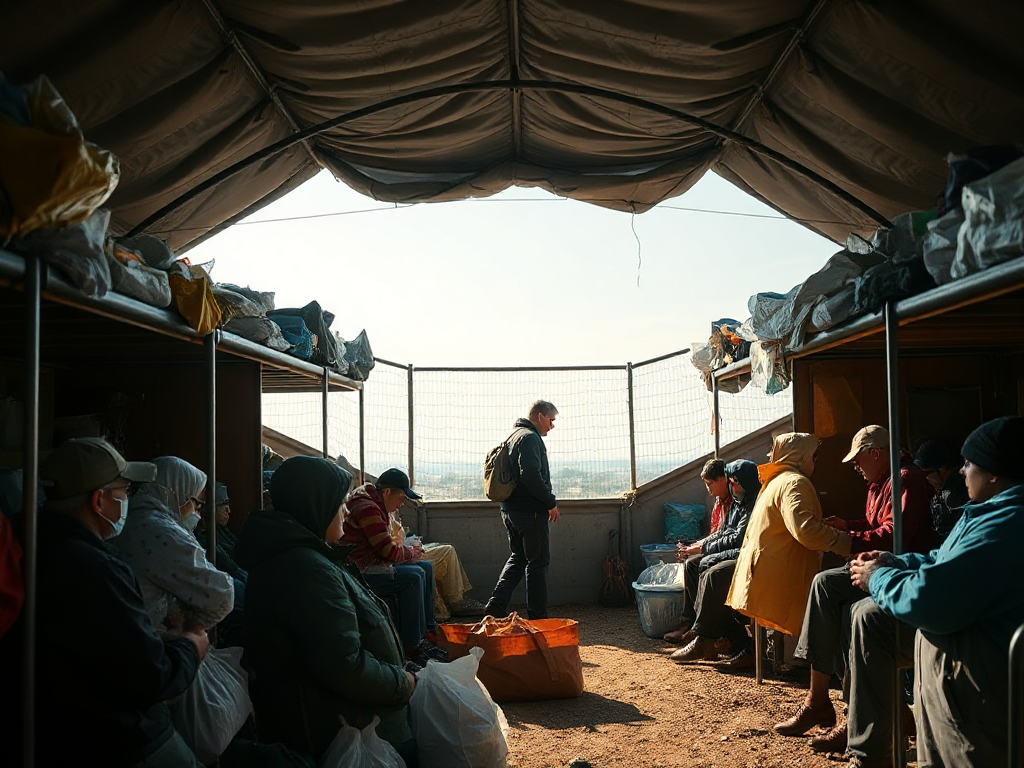
Overcrowding in survival shelters poses serious health risks, including the rapid spread of infectious diseases and increased psychological stress among occupants. When shelters exceed their intended capacity, inadequate sanitation and limited access to clean water can create environments ripe for disease outbreaks. Additionally, the close quarters can lead to heightened anxiety and irritability, increasing the likelihood of conflicts. To address these issues, it is essential to establish clear occupancy limits and implement strict hygiene protocols. Creating designated quiet areas can also help alleviate psychological strain, promoting a healthier living environment for all occupants.
Health Hazards in Overcrowded Shelters
Overcrowding in survival shelters significantly heightens health risks, primarily due to the close proximity of individuals. This environment facilitates the rapid spread of infectious diseases, such as influenza or gastrointestinal infections, as pathogens can easily transition from one person to another. Furthermore, overcrowded conditions often lead to inadequate sanitation facilities, exacerbating the risk of disease outbreaks.
For instance, in a scenario where a shelter designed for 50 individuals accommodates 100, the limited access to clean water and proper waste disposal can create breeding grounds for bacteria and viruses. Additionally, the stress of living in cramped quarters can suppress immune responses, making occupants more susceptible to illness. Regular health checks and strict hygiene protocols are essential to mitigate these risks.
Psychological Effects of Overcrowding
The psychological impact of overcrowding cannot be overlooked, as increased stress and anxiety levels can manifest among shelter occupants. The constant presence of others, coupled with limited personal space, can lead to feelings of claustrophobia and irritability. These conditions can escalate disputes and conflict among individuals, undermining the shelter’s overall harmony.
For example, a study conducted during a natural disaster revealed that shelters with higher occupancy rates reported a significant increase in psychological distress among residents. To combat these issues, implementing strategies that promote social interaction while allowing for personal space—such as designated quiet zones or scheduled activities—supports the mental well-being of occupants.
Resource Strain in Survival Shelters
Overcrowding places immense strain on the resources available within survival shelters. Essential supplies, such as food, water, and medical care, can quickly become depleted when too many individuals are present. This resource scarcity can lead to competition among occupants, further exacerbating tensions and conflicts.
Additionally, the logistical challenges of managing a larger population can overwhelm shelter staff and volunteers. For example, a shelter designed to provide meals for 100 people may struggle to serve 200, leading to inadequate nutrition and dissatisfaction among residents. To effectively manage resource allocation, shelters should establish clear guidelines for occupancy limits and develop contingency plans for food and medical supplies that account for potential overcrowding scenarios.
Mitigation Strategies for Overcrowding
To address the risks associated with overcrowding in survival shelters, several proactive strategies can be implemented. First, establishing clear capacity limits based on the shelter’s resources and design is crucial. This helps to ensure that each occupant receives adequate space and resources, thereby minimizing health risks and psychological strain.
Second, shelters should prioritize ventilation to improve air quality and reduce the transmission of airborne diseases. Regular cleaning and sanitation protocols are also essential for maintaining hygiene. Ultimately, fostering a sense of community through organized activities can help mitigate psychological effects and promote cooperation among occupants. By implementing these strategies, shelters can enhance the safety and well-being of individuals in crisis situations.
Frequently Asked Questions
What are the main health risks associated with overcrowding in survival shelters?
The primary health risks include increased transmission of infectious diseases, inadequate sanitation, and stress-related health issues.
How does overcrowding affect mental health in shelters?
Overcrowding can lead to heightened anxiety, stress, and conflict among occupants due to limited personal space and constant interaction.
What strategies can mitigate overcrowding risks?
Establishing capacity limits, ensuring proper ventilation, and organizing community activities can help mitigate risks associated with overcrowding.
How does resource strain manifest in overcrowded shelters?
Resource strain can lead to competition for food, water, and medical supplies, increasing tensions and dissatisfaction among occupants.
What role does sanitation play in preventing health risks?
Proper sanitation is crucial in preventing disease outbreaks, as overcrowded conditions can lead to unsanitary practices and increased health risks.
Conclusion
Addressing the risks associated with overcrowding in survival shelters is essential for ensuring the health and well-being of occupants. By recognizing the health hazards, psychological effects, and resource strains that can arise, shelter managers can implement effective mitigation strategies. Establishing clear capacity limits, maintaining hygiene, and fostering a supportive environment are critical steps in managing overcrowding. Ultimately, prioritizing these factors can lead to a safer and more effective shelter experience during emergencies.
Additional Resources
Authoritative Sources
- Shelter to Survival: Unpacking the Health Impacts of Housing ...
pmc.ncbi.nlm.nih.govAdults exposed to unaffordable or multiple housing instability measures exhibited a higher prevalence of depression and anxiety [66,67].