
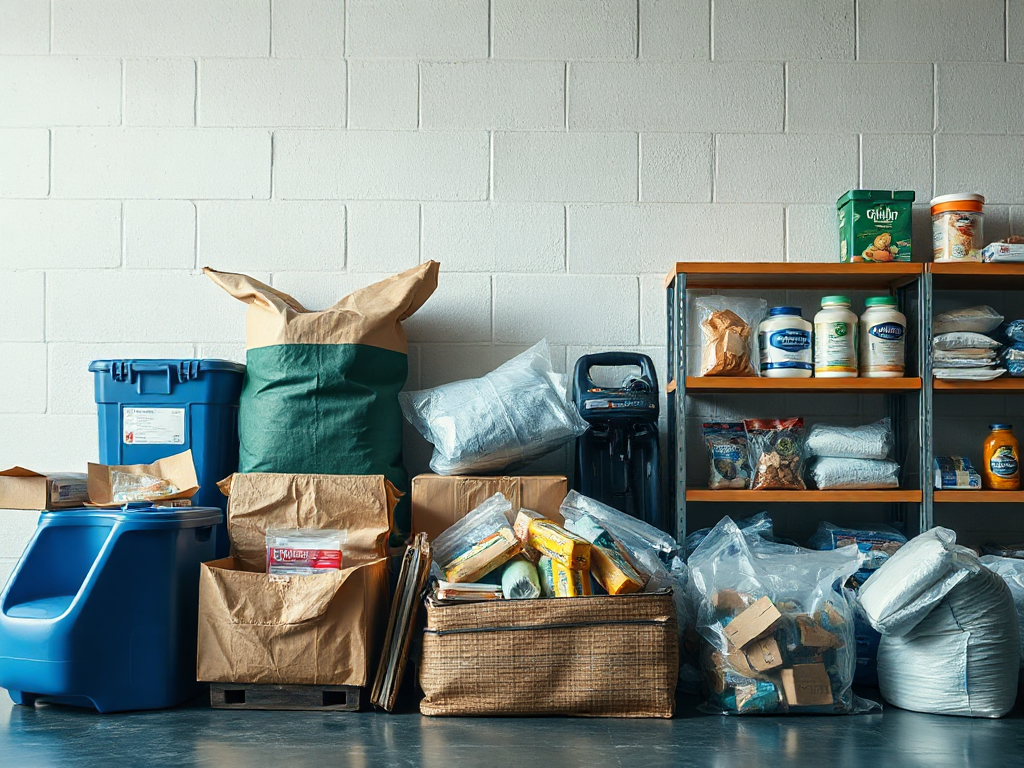
Relying solely on store-bought supplies poses significant risks, particularly during emergencies when access to essential items may be compromised. Supply chain disruptions can lead to shortages, leaving individuals unprepared for critical situations. To mitigate these risks, it's essential to diversify supply sources by exploring local markets, community gardens, or even home production methods. Building self-sufficiency not only enhances resilience but also fosters a sense of community as individuals share resources and knowledge. By proactively addressing these vulnerabilities, people can better secure their needs in times of uncertainty.
The Importance of Diverse Supply Sources
Relying solely on store-bought supplies can create significant vulnerabilities. When consumers depend entirely on commercial retailers, they expose themselves to risks such as price fluctuations, supply shortages, and limited availability during emergencies. A diverse supply strategy mitigates these risks by ensuring that individuals have access to essential items from multiple sources.
For example, during the COVID-19 pandemic, many faced empty shelves in grocery stores due to panic buying and supply chain disruptions. Those who had alternative sources, such as local farms or community gardens, were better positioned to maintain their food supply. Therefore, exploring various purchasing options, including local markets and online platforms, can enhance resilience.
Understanding Supply Chain Vulnerabilities
Supply chains are complex networks that can be disrupted by various factors, including natural disasters, political unrest, and pandemics. Understanding these vulnerabilities is crucial for individuals who want to prepare adequately for potential shortages. Store-bought supplies often rely on just-in-time inventory systems, which prioritize efficiency over resilience.
For instance, when a hurricane approaches, shipping routes may be disrupted, leading to shortages of fresh produce and other perishable goods. This scenario emphasizes the need for individuals to be aware of how external events can affect their access to supplies. Recognizing these vulnerabilities allows for better planning and preparation.
Strategies for Self-Sufficiency
Building self-sufficiency is a proactive approach to reducing reliance on store-bought supplies. This can be achieved through practices such as home gardening, food preservation, and DIY skills. By cultivating a small garden, individuals can produce their own fruits and vegetables, which not only provides food security but also fosters a connection to the source of their sustenance.
Additionally, learning to preserve food through canning or fermenting can extend the shelf life of seasonal produce, ensuring that families have access to nutritious options year-round. Engaging in these practices can serve as a buffer against the unpredictability of commercial supply chains.
Building Community Resilience
Community resilience is essential for overcoming challenges related to supply chain disruptions. By fostering relationships with neighbors and local producers, individuals can create networks that support resource sharing. This approach not only enhances food security but also strengthens community ties.
For instance, community co-ops or seed exchanges can provide access to fresh produce and seeds, reducing reliance on commercial sources. Furthermore, organizing local workshops on self-sufficiency skills, such as gardening or food preservation, can empower community members to take charge of their food systems. Ultimately, a connected community is better equipped to withstand external shocks.
For those interested in exploring more about supply chain vulnerabilities and self-sufficiency strategies, various resources are available. Engage with local agricultural extensions or community colleges that offer workshops on gardening and food preservation. Additionally, consider reading publications from reputable sources focused on sustainable living and emergency preparedness.
Frequently Asked Questions
Why is relying solely on store-bought supplies risky?
Relying solely on store-bought supplies is risky due to potential supply chain disruptions, price volatility, and limited availability during emergencies.
What are some alternative sources for supplies?
Alternative sources for supplies include local farmers' markets, community gardens, and online platforms that offer fresh produce and goods.
How can I become more self-sufficient?
You can become more self-sufficient by growing your own food, learning food preservation techniques, and developing DIY skills for home maintenance.
What role does community play in preparedness?
Community plays a critical role in preparedness by facilitating resource sharing, fostering skills development, and building networks that enhance resilience.
What should I consider when planning for emergencies?
When planning for emergencies, consider the types of supplies you may need, potential disruptions, and strategies for accessing alternative resources.
Conclusion
Recognizing the risks associated with relying solely on store-bought supplies is the first step towards building a resilient future. By diversifying supply sources, enhancing self-sufficiency, and fostering community connections, individuals can better prepare for unforeseen challenges. These proactive measures not only safeguard against shortages but also promote a sustainable lifestyle that benefits both individuals and communities.