
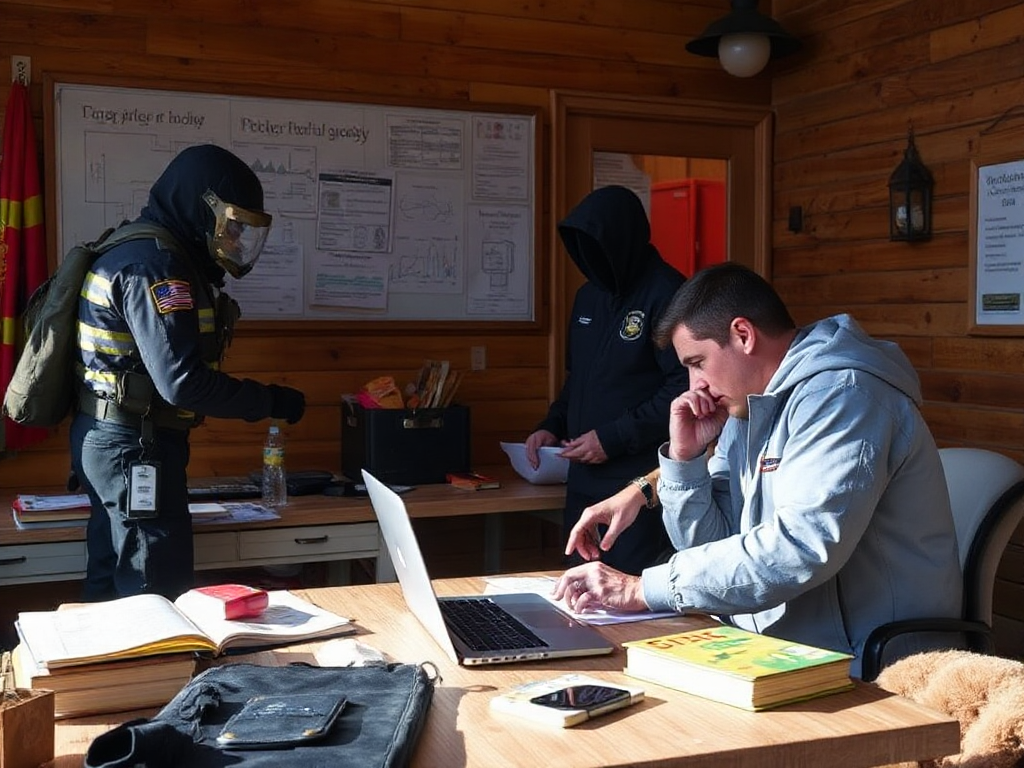
Common errors in creating an emergency plan include inadequate risk assessment, poor communication strategies, and exclusion of family members in the planning process. Failing to identify specific hazards can lead to a plan that is not tailored to actual threats, leaving individuals unprepared. Additionally, without a clear communication plan, family members may struggle to connect during a crisis, resulting in chaos and confusion. To avoid these pitfalls, conduct a thorough assessment of local risks, establish a multi-channel communication strategy, and involve everyone in the planning and practice of emergency procedures. Regular updates and drills can further enhance preparedness and ensure that all family members are aware of their roles in an emergency.
Understanding Risk Assessment
One major error in creating an emergency plan is failing to conduct a thorough risk assessment. Understanding the specific hazards your area faces—such as natural disasters like floods, earthquakes, or man-made threats—is essential to tailoring your emergency plan effectively. Neglecting this step can result in a plan that does not adequately prepare you for the actual risks you might encounter.
For instance, a family living in a flood-prone area might overlook the need for flood-specific supplies and evacuation routes, focusing instead on general safety measures. To avoid this pitfall, conduct a detailed assessment of your environment, considering both historical data and potential future threats. Utilize local resources, such as emergency management agencies, to gather relevant information about risks in your area.
Importance of Communication Plans
Another common error is not establishing a clear communication plan. In emergencies, confusion can reign when people cannot reach each other. A well-defined communication strategy ensures that family members know how to contact one another, where to meet, and who is responsible for what tasks. Without this clarity, panic can lead to disorganization and ineffective responses.
For example, if a family has not discussed communication methods, they might rely on cell phones, which could fail in a disaster scenario. Instead, establish a multi-channel approach that includes landlines, text messaging, and meeting points. Regular drills can help reinforce these strategies, ensuring everyone understands their roles and how to stay connected during a crisis.
Involving All Family Members
Failing to involve all family members in the emergency planning process can lead to gaps in preparedness. Each individual brings unique perspectives and skills, which can enhance the overall effectiveness of the plan. When family members are not engaged, important considerations may be overlooked, and individuals may not know what to do during an emergency.
For example, children can be trained on basic safety protocols, while older family members may contribute insights based on their experiences. Involving everyone in discussions about the plan fosters a sense of ownership and responsibility. Conduct family meetings to discuss the plan, assign specific roles, and practice emergency drills together to ensure that everyone is prepared.
Regularly Updating the Plan
Emergency plans can quickly become outdated due to changes in circumstances, such as moving to a new location or changes in family composition. A common mistake is failing to review and update the plan regularly, which can lead to ineffective responses during an emergency. Regular updates ensure that the plan remains relevant and practical.
To maintain an effective emergency plan, schedule periodic reviews—at least once a year or whenever significant changes occur. During these reviews, revisit the risk assessment, communication strategies, and family involvement. Make necessary adjustments based on new information or changing family dynamics. This proactive approach keeps the plan fresh and ensures everyone remains prepared.
Frequently Asked Questions
What is the first step in creating an emergency plan?
The first step is to conduct a thorough risk assessment to identify potential hazards specific to your area.
How often should I review my emergency plan?
You should review your emergency plan at least once a year or whenever significant changes occur in your circumstances.
Why is family involvement important in emergency planning?
Involving all family members ensures that everyone understands their roles and responsibilities, which enhances the plan's effectiveness.
What should be included in a communication plan?
A communication plan should include contact methods, meeting points, and responsibilities for each family member.
What are common mistakes to avoid in emergency planning?
Common mistakes include failing to assess risks, neglecting communication strategies, and not involving all family members in the planning process.
Conclusion
Creating an effective emergency plan requires careful consideration of various factors, including risk assessment, communication, involvement, and regular updates. Prioritizing these aspects will enhance your preparedness and ensure that everyone knows their roles during a crisis. Take action today by reviewing your current plan and making necessary adjustments to ensure your family’s safety in emergencies.
Further Reading
Authoritative Sources
- Common Mistakes to Avoid in School Emergency Planning
corp.publicschoolworks.com1. Lack of Risk Assessment. Insufficient Staff Training and Education. Neglecting to provide adequate training for staff is a common mistake . Learn More 4. ...
- 7 Common Mistakes to Avoid in School Emergency Planning
raptortech.com7 Common Mistakes to Avoid in School Emergency Planning · 1. Lacking Thorough Campus Risk Assessments · 2. Weak Communication Protocols · 3.
- Emergency Plans: The top 5 mistakes to avoid
magnushealth.comMistake #1 – Not drilling enough – not drilling correctly. Mistake #2 – Not communicating enough – not communicating correctly. Mistake #3 – ...
- Avoid these Six Common Mistakes in your Preparedness ...
akpreparedness.comAssuming your staff is well trained. · Poor communications during an event. · Conducting half-hearted drills. · Relying on an outdated emergency ...