
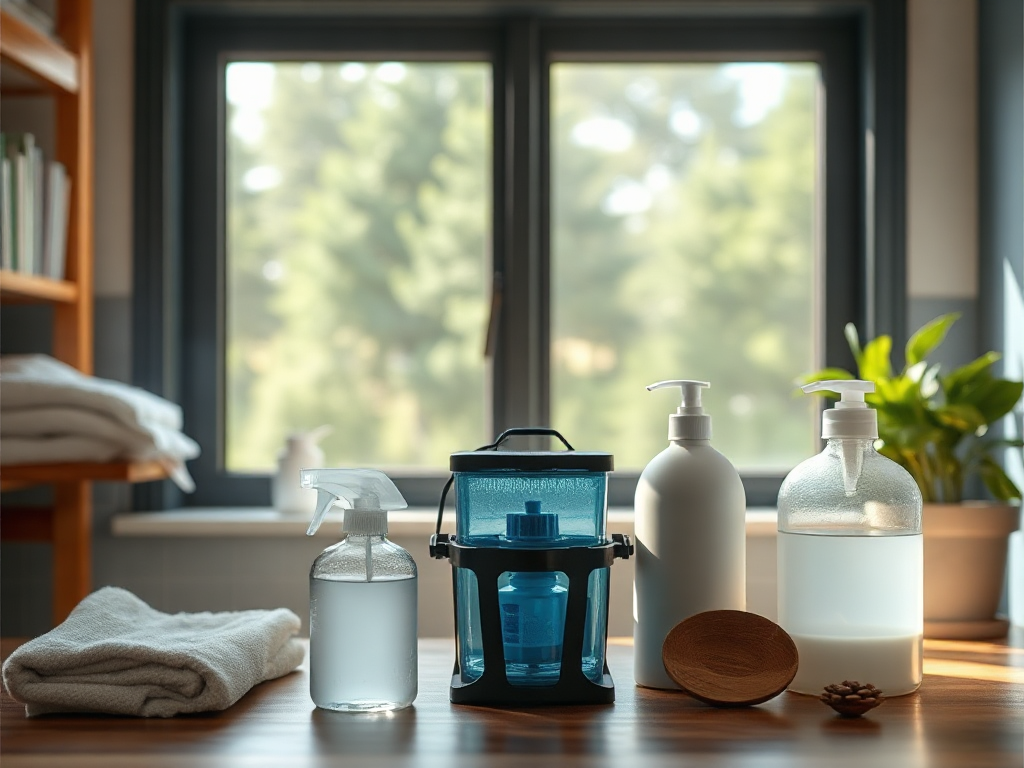
To maintain hygiene during long outages, prioritize water conservation, effective waste management, and essential hygiene supplies. Use water sparingly for drinking and cleaning, opting for sponge baths or wet wipes instead of showers to extend your supply. Establish a waste disposal system that minimizes health risks by using sealed containers and designating a specific area for waste away from living spaces. Stock up on hygiene essentials like soap, hand sanitizers, and sanitary products to prevent illness and ensure safety in challenging conditions.
Maintaining hygiene during long outages is essential for ensuring health and preventing the spread of illness. To achieve this, focus on conserving water, managing waste effectively, and using the right hygiene supplies. Limited access to clean water and sanitation facilities can lead to serious health risks, making it crucial to implement strategies that prioritize cleanliness.
Water conservation is paramount in such situations. Use water sparingly for bathing, drinking, and cleaning. Consider collecting rainwater or using bottled water judiciously. It’s also important to have a plan for waste disposal, as improper disposal can lead to contamination and health hazards. Set up a designated area for waste that is away from living spaces, and use sealed containers to minimize odors and pests.
Water Conservation Techniques
To maintain hygiene effectively during outages, implementing water conservation techniques is crucial. This involves using water efficiently for both drinking and cleaning purposes. Consider using wet wipes or sponge baths instead of full showers to save water while still maintaining personal hygiene.
Additionally, reusing water where safe and appropriate can help extend your supply. For example, use leftover water from cooking or washing fruits and vegetables to flush toilets or water plants. Always prioritize drinking water first, and ensure that any reused water is safe for its intended purpose.
Effective Waste Management
Proper waste management is essential to prevent health risks associated with unsanitary conditions. During long outages, establish a waste disposal system that minimizes contamination. Use bags to collect waste and seal them tightly before disposal.
Consider creating a composting system for organic waste if possible, which can reduce the amount of waste you need to manage and provide nutrients for plants later. Always keep waste disposal areas away from living spaces to avoid attracting pests and to maintain a clean environment.
Essential Hygiene Supplies
Having the right hygiene supplies on hand is vital during outages. Stock up on items like soap, hand sanitizers, disinfectant wipes, toilet paper, and sanitary products. These items will help you maintain personal cleanliness and manage sanitation effectively.
It’s also wise to include items like gloves and masks in your hygiene kit, which can provide additional protection when dealing with waste or cleaning. Ensure your supplies are stored in a dry, accessible location to make them easy to reach when needed.
Maintaining Personal Cleanliness
Personal cleanliness should remain a top priority during outages. Regularly wash your hands with soap and water, especially after using the restroom or before preparing food. If water is limited, use hand sanitizer with at least 60% alcohol content as an alternative.
When bathing is not feasible, consider using body wipes or sponge baths to clean your skin. Keep your living space tidy to minimize dirt and germs, which will contribute to overall hygiene and comfort during challenging times.
Conclusion
In summary, maintaining hygiene during long outages is critical for health and well-being. Focus on conserving water, managing waste effectively, and keeping essential hygiene supplies readily available. Prioritize personal cleanliness to prevent illness and ensure comfort. By implementing these practices, you can navigate challenging situations with greater confidence and safety.