
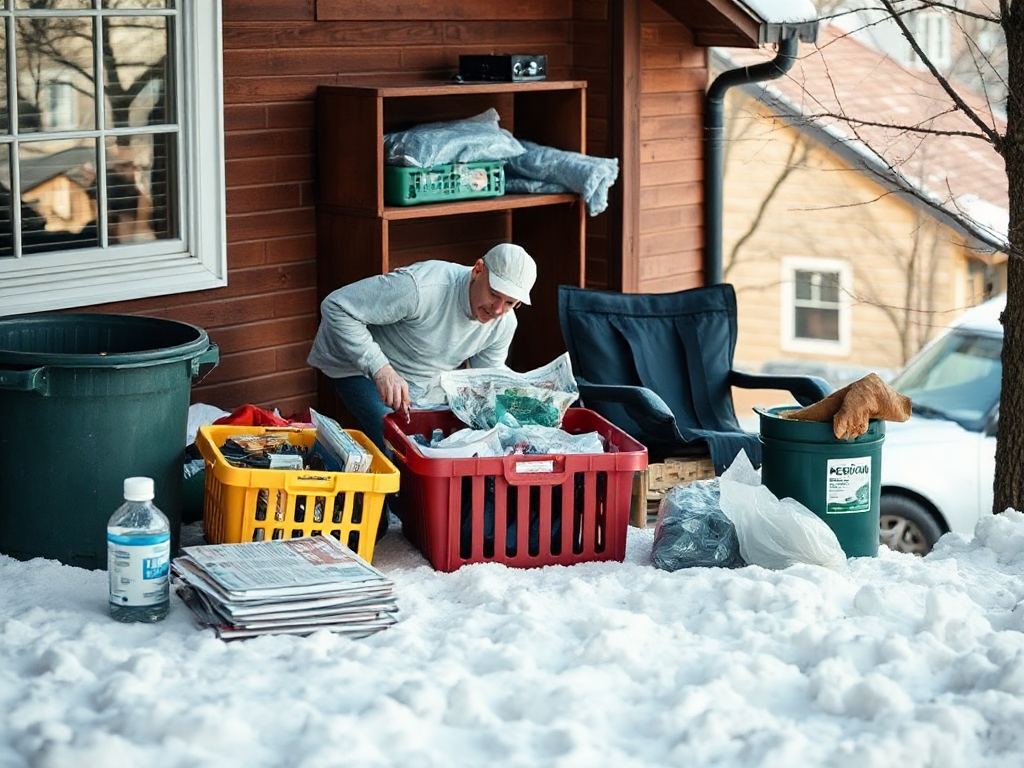
To prepare for winter power outages, start by assembling essential supplies like flashlights, batteries, non-perishable food, and water, aiming for a three-day supply per person. It's crucial to have a reliable backup heating source, such as a generator or wood stove, to maintain warmth during prolonged outages. Regularly check your generator's functionality and fuel levels to avoid being caught unprepared. Additionally, insulating your home can help retain heat, mitigating the risks of hypothermia. Keep emergency contact numbers accessible to ensure quick communication with utility services and family during an outage.
Preparing for winter power outages involves gathering essential supplies and ensuring your home is equipped for cold weather challenges. Key items include flashlights, batteries, non-perishable food, and ample water. It’s also important to have a reliable backup heating source, such as a generator or wood stove, to maintain warmth during extended outages.
Many people underestimate the impact of winter outages, often assuming that they will be brief. However, snow and ice can cause extended power failures, leading to dangerous situations. To avoid common mistakes, ensure your generator is functional and that you have enough fuel on hand. Additionally, consider insulating your home to retain heat better, which can be critical if the power goes out.
Another crucial aspect is to keep emergency numbers readily accessible. This includes local utility services, emergency services, and family contacts. In the event of an outage, knowing who to call can save valuable time and help you get assistance faster.
Essential Supplies for Winter Power Outages
Collecting essential supplies is the first step in preparing for winter power outages. Basic needs include flashlights, batteries, and a battery-operated radio to stay informed. Stocking up on non-perishable food items and bottled water is crucial; aim for at least a three-day supply per person. Additionally, consider having a first aid kit and medications available.
Many people overlook the importance of having enough warm clothing and blankets. Hypothermia can set in quickly during cold outages, especially if heating systems fail. Be sure to have extra layers and thermal blankets on hand to keep everyone warm.
Safety Measures During Outages
Safety is paramount during winter power outages. Always keep a battery-powered carbon monoxide detector in your home, especially if using a generator or alternative heating source. Never use gas stoves or ovens for heating, as this poses a significant risk of carbon monoxide poisoning.
Also, ensure that all family members know how to stay safe during an outage. This includes knowing how to use emergency lighting and heating sources properly. Avoid opening refrigerator and freezer doors to keep food from spoiling, and use caution when traveling outside on icy paths.
Maintaining Your Generator
If you have a generator, regular maintenance is key to ensuring it operates when needed. Check oil levels, fuel, and battery condition before winter arrives. Always follow the manufacturer’s instructions for use and maintenance.
Keep the generator in a well-ventilated area to prevent carbon monoxide buildup, and never run it indoors. Have a plan for safely connecting your generator to your home’s electrical system to avoid backfeeding into the grid, which can be dangerous for utility workers.
Home Winterization Tips
Winterizing your home can significantly reduce the impact of a power outage. Insulate windows and doors with weather stripping or thermal curtains to keep heat in. Additionally, seal any drafts around windows and pipes to prevent cold air from entering.
Consider having a fireplace or wood stove as a backup heat source. Keep a supply of firewood or pellets on hand, and ensure the chimney is clean and safe to use. Regular maintenance can prevent dangerous situations during winter outages.
Conclusion
Ultimately, preparing for winter power outages involves gathering essential supplies, ensuring safety measures are in place, and winterizing your home. Prioritize having a reliable backup heating source and maintaining your generator to stay warm and safe during outages. Take these proactive steps now to minimize risks and ensure you and your family are ready for winter challenges ahead.