
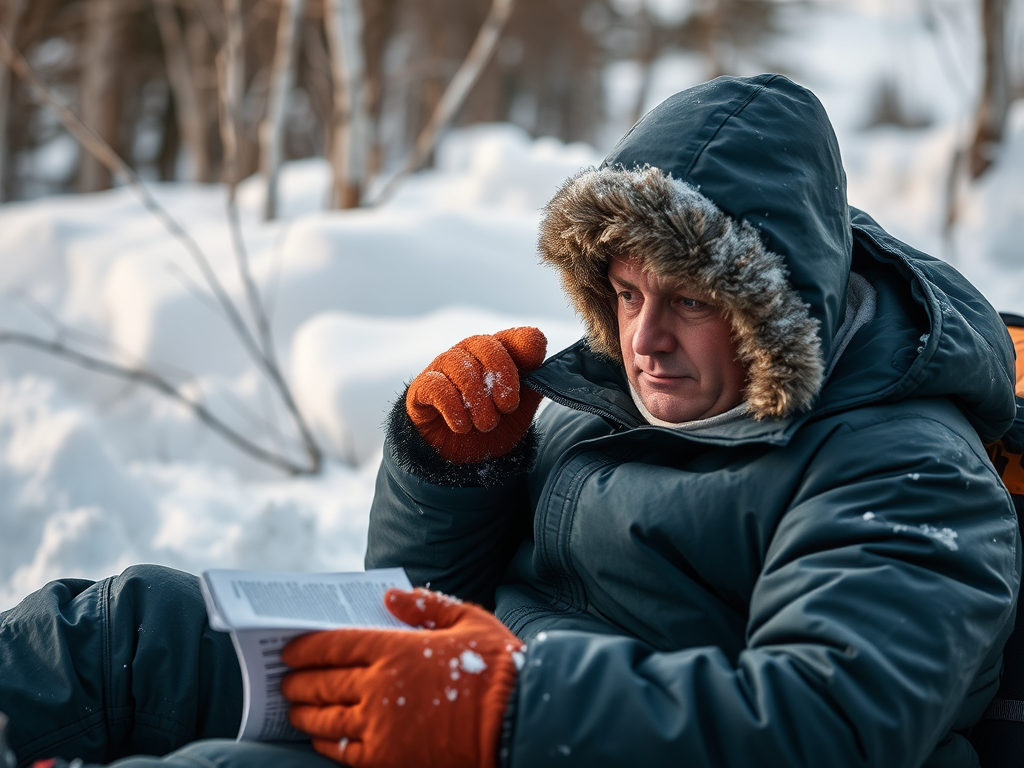
Early signs of hypothermia include shivering, confusion, and difficulty speaking, indicating the body's struggle to maintain warmth. These symptoms emerge when heat loss exceeds heat production, leading to a dangerous drop in core temperature. It's vital to act quickly by moving to a warmer environment and seeking medical assistance if these signs are observed. Ignoring these early indicators can result in severe complications, including impaired cognitive function and increased risk of life-threatening conditions. Always be aware of environmental factors, such as wind chill and wet conditions, which can accelerate heat loss and heighten the risk of hypothermia.
What you’ll learn
This guide covers the following practical points:
- Understanding the Causes of Hypothermia — Hypothermia primarily occurs due to prolonged exposure to cold environments, particularly when wet.
- Common Symptoms at Early Stages — The early symptoms of hypothermia can be subtle but are crucial for timely intervention.
- Immediate Actions to Take — Upon recognizing the early signs of hypothermia, immediate steps should be taken to address the situation.
Hypothermia begins when the body loses heat faster than it can produce, leading to a dangerous drop in core temperature. Early signs often manifest as shivering, confusion, and difficulty in speaking. These symptoms are critical indicators of the body’s struggle to maintain warmth and require immediate attention to prevent worsening conditions.
As hypothermia progresses, the body’s normal responses become impaired. Shivering might cease, and cognitive functions can decline, leading to confusion and poor decision-making. It’s essential to recognize these early symptoms promptly to take appropriate action, such as moving to a warmer environment or seeking medical help. Ignoring these signs can lead to severe complications, including frostbite and cardiac issues, which could be life-threatening.
Understanding the Causes of Hypothermia
Hypothermia primarily occurs due to prolonged exposure to cold environments, particularly when wet. Wind chill can exacerbate heat loss, making it vital to understand the environmental factors contributing to this condition. Factors such as inadequate clothing, wet conditions, and prolonged inactivity can significantly increase the risk of hypothermia.
Individuals engaged in outdoor activities, such as hiking or skiing, are particularly vulnerable. It’s important to recognize personal limits and environmental changes that can lead to rapid heat loss. Awareness of these conditions can help in planning adequate protective measures, such as proper clothing and gear.
Common Symptoms at Early Stages
The early symptoms of hypothermia can be subtle but are crucial for timely intervention. Shivering is often the first noticeable sign, indicating that the body is trying to generate heat. Other early signs include confusion, fatigue, and slurred speech, which can mislead individuals into underestimating their condition.
As symptoms progress, individuals may experience decreased coordination and impaired judgment, significantly increasing the risk of accidents. Recognizing these symptoms early is essential to initiate appropriate warming measures and prevent further deterioration.
Immediate Actions to Take
Upon recognizing the early signs of hypothermia, immediate steps should be taken to address the situation. Move to a warmer location and remove any wet clothing to minimize heat loss. Wrapping the individual in warm blankets or using body heat can help restore body temperature.
If the person is conscious and alert, offering warm, non-alcoholic beverages can aid in recovery. However, avoid giving them alcohol or caffeine, as these can worsen dehydration and heat loss. If symptoms persist or worsen, seek medical attention immediately to ensure proper treatment.
Conclusion
Recognizing the signs of hypothermia in its early stages is vital for effective intervention and prevention of severe health consequences. Immediate actions such as moving to a warmer environment and removing wet clothing can significantly improve outcomes. Always prioritize awareness of environmental conditions and personal limits to reduce the risk of hypothermia.