What to Do If Evacuation Routes Are Blocked Unexpectedly: Critical Steps for Safe Navigation

What to Do If Evacuation Routes Are Blocked Unexpectedly: Critical Steps for Safe Navigation

Understanding the real-world stakes involved in blocked evacuation routes is crucial. Such situations can arise from natural disasters, accidents, or unforeseen events like road construction. Prioritize your safety and that of others by avoiding risky shortcuts through unfamiliar areas, which can lead to further dangers. Additionally, maintain communication with family or emergency contacts to keep them informed of your status and location.

Common mistakes in these scenarios include panicking and making hasty decisions without assessing all available information. It’s essential to remain patient and think critically. If the blockage is likely to last for an extended period, consider sheltering in place until conditions improve, especially if you are in a safe location. This decision should factor in the availability of resources, such as food, water, and medical supplies, as well as the potential for further hazards.

Assessing the Situation

When faced with blocked evacuation routes, the first step is a thorough assessment of the situation. Evaluate the extent of the blockage and the potential risks involved. This includes checking if the blockage is temporary, such as a fallen tree, or a more significant issue like flooding or a major accident. Understanding these dynamics can inform your next steps and help you make better decisions.

Real-world stakes are high during emergencies. Assessing the situation accurately can prevent unnecessary risks and ensure your safety. Many people often overlook the importance of situational awareness, which can lead to poor decision-making. Take time to observe your surroundings, listen to others, and gather as much information as possible before acting.

Prioritize your safety and that of others around you. If you are traveling with family or friends, ensure everyone is accounted for and aware of the situation. Discuss potential next steps collectively to avoid panic and confusion, which can exacerbate the situation.

Identifying Alternative Routes

Once you have assessed the situation, the next step is to identify alternative routes. Utilize GPS navigation apps that provide real-time updates on traffic conditions and road closures. Some applications can redirect you based on current obstacles, helping you find the safest and quickest way to your destination.

In addition to technology, consider traditional navigation tools like maps. Familiarizing yourself with the area can reveal lesser-known roads that may not be affected by the blockage. This knowledge can be invaluable, especially in rural or less populated areas where GPS signals may be weak.

Many people forget to plan for the unexpected. Always have a backup route in mind, even when traveling on familiar paths. Consider taking a few minutes before your journey to review potential alternatives, which can save you time and stress during emergencies.

Communication and Information Sources

Effective communication is vital when evacuation routes are blocked. Stay informed by utilizing multiple information sources, such as local news channels, social media updates, and official emergency service announcements. These channels can provide timely information about road conditions and alternative evacuation plans.

Common mistakes include relying solely on one source of information. Diversifying your information sources can provide a comprehensive view of the situation, allowing you to make informed decisions. Additionally, consider sharing your plans and location with family or friends, ensuring they know how to reach you or where to find you in case of emergencies.

People often underestimate the importance of staying connected. In emergencies, communication can be disrupted, so having a backup plan, such as a designated meeting point or using walkie-talkies, can keep everyone informed and safe.

Safety Considerations

Safety should always be your top priority when evacuation routes are blocked. Evaluate your immediate environment for potential hazards, such as downed power lines, flooding, or unstable structures. If you encounter any dangers, prioritize finding a safe location away from these risks.

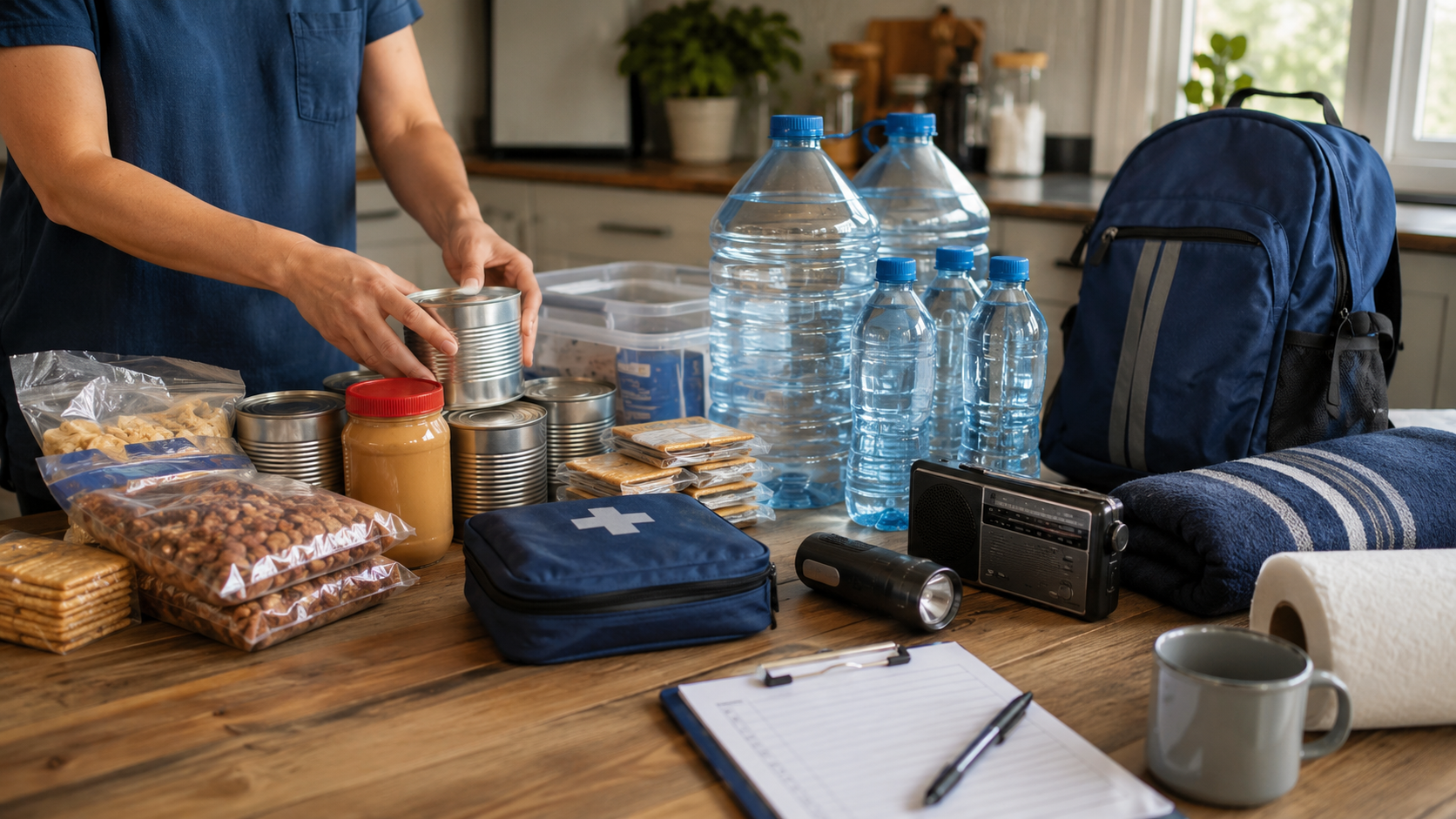
Many individuals overlook the importance of safety gear. Having a basic emergency kit, including items like a flashlight, first aid supplies, and non-perishable food, can be crucial in unexpected situations. Ensure your vehicle is stocked with necessary supplies, and familiarize yourself with local emergency services before a crisis arises.

Consideration of safety extends beyond physical risks. Mental preparedness is equally important. Stay calm and composed, as panic can lead to poor decision-making. Practice mindfulness techniques to help manage stress during emergencies, allowing for clearer thinking and better responses.

Further Reading

For those seeking additional resources on emergency preparedness and evacuation planning, consider visiting official governmental websites or local emergency management agencies. These sources often provide valuable information on safety protocols and best practices for navigating unexpected situations.

Further Reading

Authoritative Sources

  • Ready.gov
    ready.gov

    Official U.S. preparedness guidance, checklists, and planning resources for households and emergencies.

  • FEMA
    fema.gov

    Federal emergency management resources, disaster planning information, and recovery guidance.

  • American Red Cross Emergency Preparedness
    redcross.org

    Practical emergency preparation steps, supply lists, and safety guidance for families.

  • National Weather Service
    weather.gov

    Official forecasts, hazard alerts, and weather safety information.

  • CDC Emergency Preparedness and Response
    cdc.gov

    Public health guidance for emergencies, disasters, and recovery situations.

Frequently Asked Questions

What should I do first if evacuation routes are blocked?

Assess the situation by gathering information about the blockage and identifying alternative routes using maps or navigation apps.

How can I find alternative routes quickly?

Use GPS navigation apps for real-time updates or consult physical maps to identify lesser-known roads that may not be blocked.

What communication methods should I use during an emergency?

Stay informed through local news, social media, and emergency service announcements while keeping family and friends updated on your status.

What safety gear should I have in my vehicle?

Basic emergency kits should include a flashlight, first aid supplies, non-perishable food, and water to ensure preparedness for unexpected situations.

How can I manage stress during emergencies?

Practice mindfulness techniques and stay calm to make clear-headed decisions during stressful situations.

Conclusion

To wrap up, when faced with blocked evacuation routes, it is essential to remain calm, assess the situation carefully, and identify alternative paths. Stay informed through reliable communication channels and prioritize safety at all times. Prepare for emergencies by having essential supplies and planning ahead. By following these steps, you can navigate unexpected obstacles effectively and ensure your safety and that of others around you.

What Are the Most Overlooked Risks in Emergency Planning: Critical Gaps and Real-World Implications

What Are the Most Overlooked Risks in Emergency Planning: Critical Gaps and Real-World Implications

Inadequate communication strategies can result in misinformation and confusion during emergencies. Many organizations assume that existing communication channels will suffice, but they often overlook the need for redundancy and clarity. For instance, relying solely on social media can alienate individuals without internet access, leading to misinformation and panic. Regularly updating emergency plans is equally critical; outdated information can compromise response efforts and create vulnerabilities. Furthermore, failing to consider the unique needs of vulnerable populations—such as the elderly, disabled, or non-English speakers—can exacerbate risks and hinder effective emergency responses.

A common mistake in emergency planning is the assumption that all individuals have equal access to resources and information. Planners must prioritize inclusivity by engaging with diverse community members to understand their specific needs. This proactive approach can mitigate risks and enhance the overall effectiveness of emergency plans. By addressing these gaps, organizations can create more resilient communities capable of navigating crises effectively.

The Importance of Communication in Emergency Planning

Effective communication is a cornerstone of successful emergency planning. It ensures that all stakeholders, including the public, first responders, and community organizations, are informed and prepared. Poor communication can lead to chaos, misinformation, and ultimately, a higher risk of harm.

One major pitfall is the reliance on a single communication channel. Many organizations use social media, thinking it will reach the majority of their audience. However, this approach neglects those without internet access or those who may not use social media regularly. Implementing multiple communication methods—such as text alerts, community meetings, and printed materials—can enhance outreach and ensure that critical information reaches everyone.

Additionally, it’s essential to establish clear messaging protocols. Messages should be concise, actionable, and tailored to different audiences. Regular training and exercises can help ensure that communication plans are effective and that all team members understand their roles during an emergency.

Updating Emergency Plans: A Necessary Practice

Emergency plans are not static documents; they require regular updates to remain relevant. Failing to review and revise these plans can lead to outdated information that undermines response efforts.

Organizations often make the mistake of assuming that once a plan is in place, it will remain effective indefinitely. However, changes in demographics, technology, and community needs necessitate regular reassessments. Establishing a schedule for reviewing and updating emergency plans—ideally annually—can help organizations stay prepared for evolving risks.

Moreover, incorporating lessons learned from past emergencies can significantly enhance a plan’s effectiveness. After-action reviews provide valuable insights into what worked and what didn’t, allowing planners to refine their strategies and improve future responses. Engaging community stakeholders in this process can also yield diverse perspectives that enhance the plan’s relevance.

Addressing Vulnerable Populations in Emergency Scenarios

Vulnerable populations, including the elderly, disabled, and non-English speakers, are often overlooked in emergency planning. Their unique needs require specific attention to ensure they receive adequate support during crises.

Many planners mistakenly assume that a one-size-fits-all approach will suffice. However, this can lead to significant gaps in support and resources. For example, evacuation plans must consider mobility challenges faced by individuals with disabilities. Ensuring accessible transportation and communication methods is crucial for effective disaster response.

Involving representatives from vulnerable groups in the planning process can help identify specific needs and create tailored strategies. This collaborative approach not only enhances the effectiveness of emergency plans but also fosters trust and community resilience.

Real-World Examples of Overlooked Risks

Several real-world incidents illustrate the consequences of overlooking critical risks in emergency planning. For instance, during Hurricane Katrina, communication failures significantly hampered evacuation efforts, leading to tragic loss of life. Many residents were unaware of evacuation orders due to inadequate messaging.

Similarly, the COVID-19 pandemic revealed vulnerabilities in public health emergency planning. Many communities struggled to address the needs of non-English speakers and those without access to technology. These oversights led to confusion and increased health risks.

Learning from these examples can guide future planning efforts. Comprehensive risk assessments that include diverse community perspectives can help identify potential gaps and enhance overall preparedness.

Further Reading

For more insights on emergency planning and risk management, consider exploring resources from established organizations such as FEMA, the Red Cross, and local public health departments. These organizations provide valuable guidance on effective emergency preparedness strategies.

Further Reading

Authoritative Sources

  • Ready.gov
    ready.gov

    Official U.S. preparedness guidance, checklists, and planning resources for households and emergencies.

  • FEMA
    fema.gov

    Federal emergency management resources, disaster planning information, and recovery guidance.

  • American Red Cross Emergency Preparedness
    redcross.org

    Practical emergency preparation steps, supply lists, and safety guidance for families.

  • National Weather Service
    weather.gov

    Official forecasts, hazard alerts, and weather safety information.

  • CDC Emergency Preparedness and Response
    cdc.gov

    Public health guidance for emergencies, disasters, and recovery situations.

Frequently Asked Questions

What are the most common mistakes in emergency planning?

Common mistakes include inadequate communication strategies, failing to update plans regularly, and not addressing the needs of vulnerable populations.

How often should emergency plans be updated?

Emergency plans should be reviewed and updated at least annually to account for changes in demographics, technology, and community needs.

Why is communication important in emergency planning?

Effective communication ensures that all stakeholders are informed and prepared, reducing confusion and improving response efforts during crises.

How can we better support vulnerable populations during emergencies?

Involving representatives from vulnerable groups in the planning process can help identify specific needs and create tailored strategies for support.

What lessons can we learn from past emergencies?

Analyzing past emergencies can reveal critical gaps in planning, allowing organizations to refine their strategies and improve future responses.

Conclusion

Addressing the most overlooked risks in emergency planning is essential for building resilient communities. By prioritizing effective communication, regularly updating plans, and considering the unique needs of vulnerable populations, organizations can enhance their preparedness and response capabilities. Engaging with community stakeholders and learning from past experiences will help create more robust emergency plans that can effectively safeguard lives during crises. Taking these steps is not just beneficial; it is imperative for ensuring the safety and well-being of all community members.

Why Generators Fail When Needed Most and How to Prevent It: Common Causes and Solutions

Why Generators Fail When Needed Most and How to Prevent It: Common Causes and Solutions

One of the primary causes of generator failure is neglecting regular maintenance. Generators require routine checks, including oil changes, filter replacements, and battery maintenance. Additionally, using poor-quality fuel can lead to engine problems and decreased performance. Users should prioritize following the manufacturer’s maintenance schedule and guidelines to mitigate these risks.

Another common mistake is the improper operation of generators. Many users may not fully understand how to use their generator correctly, leading to overloads or inadequate power supply. Additionally, failing to perform a pre-use inspection can result in overlooking potential issues that could lead to failure during critical times.

Understanding Common Generator Failures

Generators can fail for various reasons, but the most common issues stem from lack of maintenance, fuel problems, and electrical overloads. Understanding these failure points helps users take proactive measures to ensure reliability. Regular checks for wear and tear, along with proper storage practices, can prevent many of these failures.

For instance, many users overlook the importance of checking the battery and connections regularly. A weak or dead battery can render a generator useless when it is needed most. Additionally, understanding the generator’s load capacity is vital; exceeding this limit can lead to overheating and damage.

Users should also be aware of environmental factors that may affect performance. For example, operating a generator in extreme temperatures can strain the engine. Proper ventilation and temperature management are essential to avoid such issues.

Preventive Maintenance Practices

Routine maintenance is the cornerstone of generator reliability. This includes regular oil changes, air filter replacements, and inspection of fuel lines and connections. Following the manufacturer’s maintenance schedule reduces the risk of unexpected failures.

Additionally, users should keep a maintenance log that tracks all service performed. This log can help identify patterns or recurring issues that may need attention. Regularly scheduled maintenance not only ensures that the generator runs smoothly but also extends its lifespan.

Furthermore, it’s important to run the generator periodically, even if it’s not needed for power outages. This practice helps keep the engine lubricated and ensures that all systems function correctly. Neglecting this can lead to stagnation and potential failures.

Fuel Quality and Its Impact

The quality of fuel used in a generator is critical for its performance. Poor-quality or contaminated fuel can lead to engine problems, including clogs and inefficient combustion. It’s essential to use fuel that meets the generator’s specifications and to store it properly.

Using fuel stabilizers can help maintain fuel quality during storage, especially during long periods of inactivity. Additionally, users should regularly check fuel levels and replace old fuel, as stale fuel can lead to starting issues or engine performance problems.

Another consideration is the type of fuel. For instance, using diesel fuel in a generator designed for gasoline can cause significant damage. Always refer to the manufacturer’s guidelines regarding fuel types and specifications.

Proper Usage and Operational Guidelines

Understanding how to operate a generator correctly is just as important as maintenance and fuel quality. Users should familiarize themselves with the generator’s manual and adhere to the recommended operational procedures. This includes proper load management and avoiding overloading the generator.

Moreover, users should conduct pre-use inspections to check for any visible signs of wear or damage. Ensuring that all connections are secure and that the generator is set up in a safe and ventilated area can prevent many common issues that lead to failure.

It’s also beneficial to have a trained individual on hand during operation, especially during emergencies. This person can monitor the generator’s performance and respond quickly if issues arise, further reducing the risk of failure.

Further Reading

Authoritative Sources

  • Generator Maintenance Best Practices
    generatorguide.com

    This resource provides comprehensive information on maintaining generators effectively to prevent failures

Frequently Asked Questions

What are the common causes of generator failure?

Common causes include lack of maintenance, fuel quality issues, and improper usage.

How often should I perform maintenance on my generator?

It is recommended to perform maintenance at least once a year or according to the manufacturer’s schedule.

Can poor fuel quality affect my generator’s performance?

Yes, using contaminated or low-quality fuel can lead to engine problems and decreased performance.

What should I check before using my generator?

Check the oil level, fuel quality, battery condition, and ensure all connections are secure.

How can I prevent overloading my generator?

Know your generator’s load capacity and avoid connecting devices that exceed this limit.

Conclusion

To wrap up, preventing generator failure requires a proactive approach that includes regular maintenance, using quality fuel, and understanding proper operational practices. By addressing these key areas, users can significantly reduce the likelihood of failures during critical times. Prioritizing these actions ensures that your generator remains reliable and ready to provide power when you need it the most.

How to Prepare for Emergencies While Living Paycheck to Paycheck: Practical Steps and Financial Strategies

How to Prepare for Emergencies While Living Paycheck to Paycheck: Practical Steps and Financial Strategies

Many individuals underestimate the importance of planning for emergencies, especially when living paycheck to paycheck. The reality is that emergencies can occur at any time, and without a financial cushion, you may be forced to rely on high-interest loans or credit cards. Prioritizing the creation of an emergency fund should be one of your first steps. This fund acts as a buffer, allowing you to manage unexpected expenses while maintaining your regular financial obligations.

A common mistake is assuming that emergency preparedness is only for those with substantial savings. In reality, even small contributions to an emergency fund can accumulate over time. It’s crucial to identify what constitutes an emergency for you and to allocate resources towards these potential needs. By recognizing the specific types of emergencies you might encounter, you can tailor your preparation efforts more effectively.

Assessing Your Financial Situation

To effectively prepare for emergencies, start by assessing your current financial situation. This includes understanding your income, expenses, and existing debts. Create a detailed budget that highlights your monthly income against your necessary expenditures, such as rent, utilities, food, and transportation. This clear picture of your finances will help you identify areas where you can cut back and allocate funds toward an emergency plan.

Many individuals overlook the importance of tracking their spending habits. By carefully monitoring where your money goes each month, you can pinpoint non-essential expenses that can be reduced or eliminated. For instance, consider cutting back on dining out or subscription services. Redirecting these funds into your emergency savings can make a significant difference over time.

Moreover, being aware of your debts is crucial. High-interest debts can quickly become overwhelming, especially during emergencies. Prioritize paying down these debts to improve your financial situation and free up funds for savings. Consider setting specific goals for debt repayment, which can help you stay focused and motivated.

Building an Emergency Fund

Building an emergency fund is essential for financial security, especially when living paycheck to paycheck. Start by determining a realistic goal based on your monthly expenses. A common recommendation is to save at least three to six months’ worth of living expenses, but this may be adjusted depending on your circumstances.

Begin with small, manageable contributions to your emergency fund. Even setting aside $10 or $20 a week can add up over time. Automate your savings by transferring a fixed amount from your checking account to a dedicated savings account each payday. This method removes the temptation to spend that money and reinforces the habit of saving.

Additionally, look for opportunities to increase your emergency fund. Consider using tax refunds, bonuses, or any extra income to bolster your savings. While it may be tempting to spend this money, directing it toward your emergency fund can provide significant long-term benefits and peace of mind.

Prioritizing Essential Supplies

In addition to financial preparation, ensuring that you have essential supplies is crucial for emergency readiness. Create a list of items you would need in case of an emergency, such as food, water, medical supplies, and necessary documents. This preparedness can help you respond quickly and effectively to unforeseen situations.

Evaluate your current supplies and identify any gaps. Focus on stocking up on non-perishable food items, basic first aid supplies, and any medications you may require. It’s also wise to keep important documents, like identification and insurance information, in a secure yet accessible location.

When prioritizing supplies, consider your specific needs and those of your family. For example, if you have children or pets, ensure you have appropriate provisions for them as well. Regularly review and update your supplies to avoid expiration and ensure you are always prepared.

Creating a Budget for Emergencies

Creating a budget specifically for emergencies can help you manage your finances better and ensure you have the resources available when needed. Start by allocating a portion of your monthly budget to your emergency fund and essential supplies. This dedicated budgeting can make it easier to track your progress and stay focused on your goals.

Consider using budgeting tools or apps to help you manage your finances effectively. These tools can provide insights into your spending habits and help you adjust your budget as necessary. Regularly reviewing your budget will allow you to make informed decisions about where to cut back and how to allocate funds for emergencies.

Moreover, remain flexible with your budget. Life circumstances can change, and unexpected expenses may arise. Being adaptable in your budgeting approach allows you to respond to these situations without compromising your emergency preparedness.

Further Reading

Authoritative Sources

  • Ready.gov
    ready.gov

    This resource offers comprehensive guidelines on emergency preparedness, including financial planning tips

  • Consumer Financial Protection Bureau
    consumerfinance.gov

    Provides insights on budgeting, saving, and managing finances effectively

  • American Red Cross
    redcross.org

    Offers resources on emergency preparedness, including checklists and tips for financial readiness

Frequently Asked Questions

What is the first step in preparing for emergencies on a tight budget?

The first step is to assess your financial situation by creating a detailed budget that highlights your income versus essential expenses.

How much should I save for an emergency fund?

Aim to save at least three to six months’ worth of living expenses, but start with a realistic smaller goal if necessary.

What should I include in my emergency supply kit?

Your kit should include non-perishable food, water, basic first aid supplies, medications, and important documents.

How can I prioritize my spending for emergencies?

Identify non-essential expenses in your budget that can be reduced or eliminated, and redirect those funds toward your emergency savings.

What if I can’t save much each month?

Even small contributions matter; start with a manageable amount and gradually increase it as your financial situation improves.

Conclusion

Preparing for emergencies while living paycheck to paycheck is not only necessary but also achievable with careful planning and discipline. Start by assessing your financial situation and creating a budget that includes savings for emergencies. Build an emergency fund gradually, even if it starts small, and prioritize essential supplies that will support you during unexpected events. By taking these proactive steps, you can equip yourself with the financial resilience needed to navigate emergencies effectively. Remember, the key is consistency and adaptability in your approach to financial preparedness.

What Happens If Water Supply Becomes Contaminated Locally: Immediate Risks and Response Strategies

What Happens If Water Supply Becomes Contaminated Locally: Immediate Risks and Response Strategies

The causes of water contamination can vary widely, including industrial discharges, agricultural runoff, sewage leaks, or natural disasters. Each scenario presents unique challenges and risks. For instance, agricultural runoff may introduce pesticides and fertilizers, while sewage leaks can result in harmful bacteria and viruses entering the water supply. Understanding the source of contamination is crucial for effective response and mitigation strategies.

One common mistake is underestimating the risks associated with even minor contamination. People may assume that boiling water will eliminate all contaminants, which is not always the case, especially with chemical pollutants. It’s essential to prioritize immediate actions, such as avoiding all contact with the water and using bottled water until authorities confirm safety. Additionally, local governments often provide guidance on alternative water sources and health precautions.

Identifying Contamination Sources

Identifying the source of water contamination is essential for effective remediation. Common sources include industrial discharge, agricultural runoff, and sewage leaks. Industrial facilities may inadvertently release toxic substances into nearby water sources, while agricultural practices can lead to runoff that introduces pesticides and fertilizers. Sewage leaks often result from aging infrastructure or heavy rainfall that overwhelms sewage systems.

Residents should be aware of local industrial activities and agricultural practices that may affect water quality. Engaging with community leaders and water management authorities can provide insights into potential risks. Understanding the nature of the contamination helps prioritize response efforts, whether it involves reporting to environmental agencies or seeking legal recourse against polluters.

Additionally, local water testing programs can help monitor water quality and identify contaminants. Regular testing is crucial in areas prone to contamination, allowing for quicker responses to emerging issues. Residents should advocate for transparency in water quality reporting from local utilities to stay informed.

Health Risks Associated with Contaminated Water

Contaminated water can pose serious health risks, including gastrointestinal illnesses, neurological disorders, and skin infections. Common pathogens found in contaminated water include E. coli, giardia, and various viruses. Vulnerable populations, including children, the elderly, and those with compromised immune systems, face even greater risks.

Understanding the specific health risks associated with different contaminants is vital. For instance, exposure to heavy metals like lead can lead to long-term neurological damage, while bacterial contamination can result in acute gastrointestinal distress. Public health campaigns often focus on educating residents about symptoms to watch for and when to seek medical attention.

Moreover, the psychological impact of water contamination should not be overlooked. Fear and anxiety about water safety can lead to community-wide distress. It’s essential to provide clear communication about health risks and available resources to mitigate these feelings, ensuring that residents feel supported during a crisis.

Immediate Actions to Take

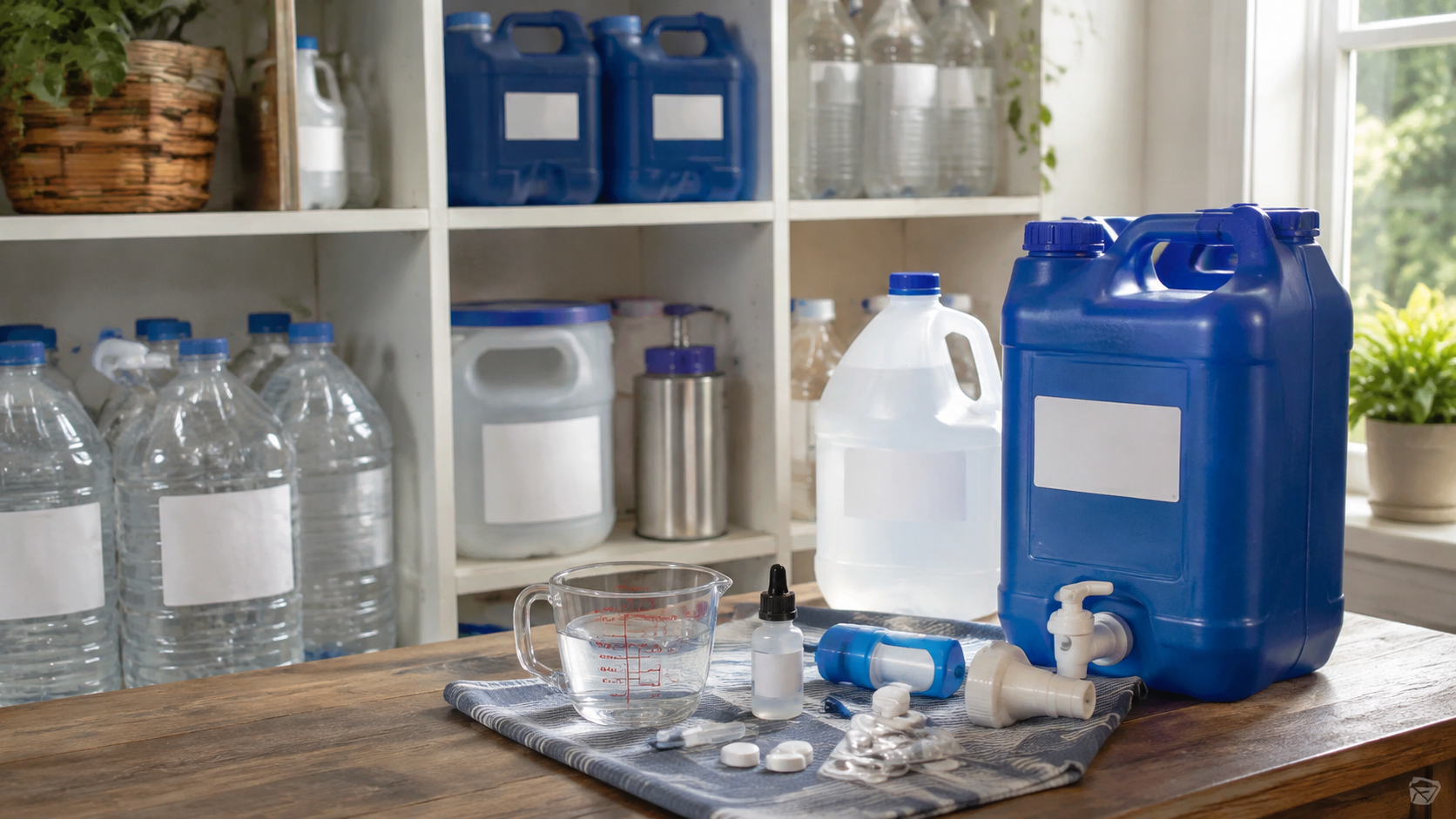
When faced with water contamination, residents must take immediate action to protect their health. First, avoid using contaminated water for drinking, cooking, or personal hygiene. Instead, rely on bottled water or alternative sources until the contamination is resolved. Local authorities often provide emergency resources, including distribution points for clean water.

Reporting the contamination to local health departments or environmental agencies is crucial for initiating a response. These organizations can conduct testing and facilitate necessary remediation efforts. Residents should document any symptoms experienced by themselves or family members, as this information can aid public health investigations.

Additionally, staying informed through local news and official updates is essential. Understanding the extent of the contamination and the timeline for resolution helps residents make informed decisions about their health and safety. Engaging with community groups focused on water safety can also provide valuable support and information.

Long-Term Mitigation Strategies

In the aftermath of water contamination, implementing long-term mitigation strategies is essential to prevent future incidents. Advocating for infrastructure improvements, such as upgrading aging pipes and sewage systems, can significantly reduce contamination risks. Communities should also consider investing in water treatment technologies that enhance the safety of local water supplies.

Public education plays a critical role in long-term prevention. Residents should be informed about best practices for water conservation and pollution prevention, such as proper chemical storage and disposal. Community workshops can help raise awareness and encourage proactive measures.

Ultimately, fostering collaboration between local governments, businesses, and residents can create a more resilient water management system. Establishing regular communication channels can ensure that all stakeholders are informed about water safety concerns and can work together to implement effective solutions.

Further Reading

For those seeking more information about water contamination and safety practices, consider exploring resources from reputable organizations such as the Environmental Protection Agency (EPA) and local health departments. These sources provide guidelines on water safety, contamination prevention, and health risks associated with polluted water.

Further Reading

Authoritative Sources

  • Ready.gov
    ready.gov

    Official U.S. preparedness guidance, checklists, and planning resources for households and emergencies.

  • FEMA
    fema.gov

    Federal emergency management resources, disaster planning information, and recovery guidance.

  • American Red Cross Emergency Preparedness
    redcross.org

    Practical emergency preparation steps, supply lists, and safety guidance for families.

  • National Weather Service
    weather.gov

    Official forecasts, hazard alerts, and weather safety information.

  • CDC Emergency Preparedness and Response
    cdc.gov

    Public health guidance for emergencies, disasters, and recovery situations.

Frequently Asked Questions

What should I do if I suspect my water is contaminated?

If you suspect water contamination, stop using it for drinking, cooking, and hygiene. Report the issue to local health authorities and seek alternative water sources.

How can I tell if my water is contaminated?

Signs of contamination include unusual color, odor, or taste. Testing kits are available for home use, or you can contact local authorities for testing assistance.

Can boiling water eliminate all contaminants?

Boiling water can kill bacteria and viruses but may not remove chemical contaminants. It’s essential to identify the type of contamination before relying on boiling as a solution.

What long-term effects can contaminated water have on health?

Long-term exposure to contaminated water can lead to chronic health issues, including developmental delays in children, organ damage, and increased cancer risk, depending on the contaminants involved.

How can communities prevent future water contamination?

Communities can prevent future contamination by advocating for infrastructure improvements, educating residents on pollution prevention, and implementing better water management practices.

Conclusion

Contaminated water supplies present serious risks that require immediate and informed responses. Understanding the sources and health implications of contamination is essential for effective prevention and remediation. Communities must prioritize communication and collaboration to enhance water safety and resilience. By taking proactive measures and advocating for infrastructure improvements, residents can help ensure safe and clean water for everyone. Ultimately, staying informed and prepared is the key to managing water safety effectively.