Without internet connectivity, many people may find it challenging to maintain their professional responsibilities. Remote work becomes nearly impossible, and students may miss out on critical educational resources. Furthermore, online banking and shopping services become inaccessible, which can complicate daily transactions and financial planning. Understanding these impacts can help individuals prepare more effectively.
Moreover, the lack of internet access can lead to a sense of isolation, particularly in emergencies, where timely information is critical. People often underestimate how reliant they are on digital communication for both personal and professional interactions. Preparing for such scenarios requires proactive planning.
Immediate Impacts on Daily Life
The immediate impacts of losing internet access for weeks can be profound. Individuals may face challenges with remote work, educational commitments, and even basic tasks like grocery shopping. Many rely heavily on online platforms for communication, scheduling, and accessing essential services.
In a world where digital connectivity is the norm, the absence of the internet can lead to significant disruptions. For instance, telecommuting becomes unfeasible, and students may find themselves unable to attend online classes or submit assignments. This can result in lost income, missed educational opportunities, and increased stress.
Furthermore, people often overlook the psychological effects of prolonged disconnection. Feelings of isolation can arise, particularly for those who rely on the internet for social interaction. Prioritizing alternative communication methods, such as landlines or community bulletin boards, can help mitigate these feelings.
Communication Challenges
One of the most significant communication challenges during an extended internet outage is the inability to connect with others. Phone calls and text messages may become the primary means of communication, but these methods can be limited in functionality compared to internet-based communication platforms.
Without the internet, sharing information quickly becomes more challenging. Social media platforms, email, and instant messaging apps are not available, which can hinder the dissemination of important news or emergency alerts. It’s essential for individuals to establish alternative communication plans, such as designated meeting places or using traditional mail for urgent messages.
Additionally, many people may not have considered how reliant they are on internet-based services for communication. Understanding the limitations of traditional communication methods in emergencies can help individuals prepare better. Prioritizing direct, face-to-face communication when possible can also foster community resilience.
Access to Information and Services
Access to information and essential services is severely impacted when internet access is lost for an extended period. This includes difficulties in obtaining news updates, weather forecasts, and emergency alerts, which are crucial during crises.
Many people depend on the internet for accessing healthcare services, including telemedicine appointments and prescription refills. Without internet access, individuals may struggle to manage their health needs, leading to potential medical complications. Establishing relationships with local healthcare providers in advance can provide alternative avenues for care.
Moreover, the lack of internet access can hinder financial transactions, as online banking and payment services become unavailable. Individuals should consider keeping a small amount of cash on hand for emergencies and maintaining regular contact with their bank to understand alternative transaction methods. Planning ahead can alleviate some of these challenges.
Preparing for Extended Outages
Preparation for potential internet outages can significantly mitigate the adverse effects of losing connectivity. Individuals should develop a comprehensive emergency plan that includes alternative communication methods, access to local news, and emergency contacts.
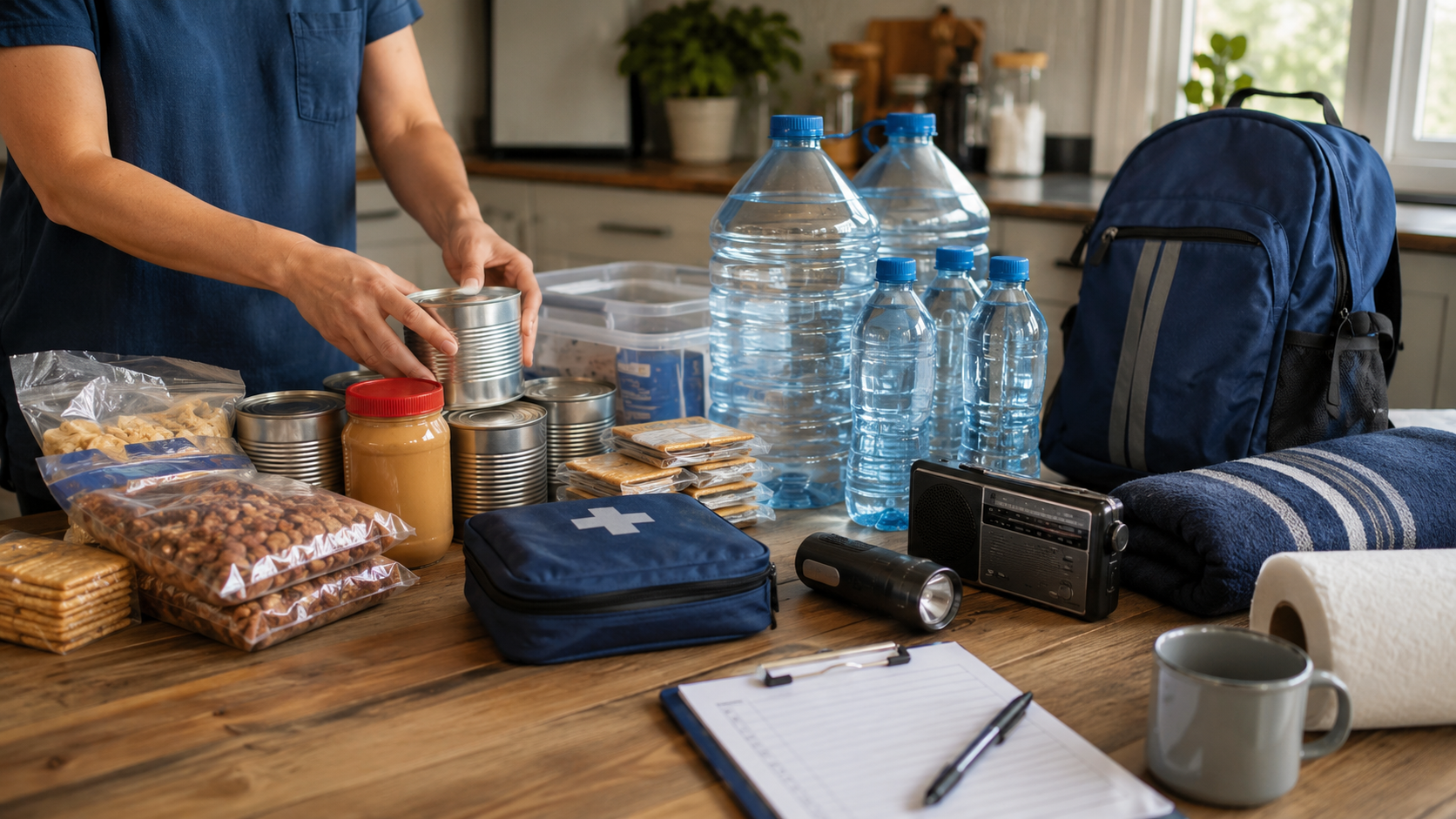
Creating a physical emergency kit that includes essential supplies like food, water, and medical necessities is also critical. This kit should be tailored to individual needs and updated regularly. Additionally, having printed maps and local resource lists can help navigate challenges without relying on online services.
Furthermore, engaging with community resources, such as local libraries or community centers, can provide access to information and support during an outage. Building strong local networks can enhance resilience and ensure that individuals are prepared for extended periods without internet access.
Further Reading
For readers looking to deepen their understanding of surviving without internet access, consider exploring local emergency management resources or community preparedness programs. These organizations often provide valuable information and training for developing effective emergency plans.
Further Reading
Authoritative Sources
Ready.gov ready.gov
Official U.S. preparedness guidance, checklists, and planning resources for households and emergencies.
FEMA fema.gov
Federal emergency management resources, disaster planning information, and recovery guidance.
American Red Cross Emergency Preparedness redcross.org
Practical emergency preparation steps, supply lists, and safety guidance for families.
National Weather Service weather.gov
Official forecasts, hazard alerts, and weather safety information.
CDC Emergency Preparedness and Response cdc.gov
Public health guidance for emergencies, disasters, and recovery situations.
Frequently Asked Questions
What should I do first if the internet goes down?
Check your internet connection and router. If the issue persists, contact your internet service provider for updates.
How can I stay informed without the internet?
Utilize traditional media sources such as radio, newspapers, and community bulletin boards to stay updated.
What alternative communication methods can I use?
Consider using landlines, sending letters, or establishing designated meeting places with friends and family.
How can I manage finances without online banking?
Keep cash on hand for emergencies and maintain regular contact with your bank for alternative transaction methods.
What supplies should I include in an emergency kit?
Your kit should include food, water, medical supplies, and any necessary personal items, tailored to your needs.
Conclusion
In closing, losing internet access for weeks can have significant implications for daily life, communication, and access to essential services. Preparing for such scenarios by developing emergency plans, maintaining alternative communication methods, and gathering necessary supplies can greatly enhance resilience. Prioritizing these strategies will help individuals navigate the challenges posed by extended internet outages more effectively.
One of the key aspects of fuel storage is the choice of container. Always select containers that are specifically designed for fuel storage, such as those made from high-density polyethylene (HDPE) or metal. These materials are resistant to corrosion and can withstand the chemical properties of fuels. Additionally, labeling containers clearly can prevent accidental misuse and enhance safety.
Many individuals underestimate the importance of regular checks on stored fuel. Over time, fuel can degrade, especially if it is not stored correctly. It is advisable to rotate your fuel supply every six months and replace any fuel that shows signs of deterioration. This practice not only ensures you have usable fuel in an emergency but also minimizes risks associated with storing old fuel.
Choosing the Right Fuel Storage Containers
Selecting the right containers for fuel storage is paramount for safety and efficacy. Approved containers such as those made from high-density polyethylene or metal are recommended due to their durability and chemical resistance. Ensure that the containers are clearly labeled and equipped with secure caps to prevent spills and evaporation.
When choosing containers, consider their size based on your storage needs. Small, portable containers are ideal for short-term use, while larger tanks may be necessary for long-term storage. It’s also essential to check for any local regulations regarding fuel storage to ensure compliance.
Many people overlook the importance of using proper containers. Using makeshift or non-approved containers can lead to leaks, spills, and potential hazards. Always prioritize safety by investing in quality storage solutions.
Optimal Storage Conditions for Fuel
The environment where fuel is stored plays a critical role in its longevity and safety. Ideally, fuel should be stored in a cool, dry place away from direct sunlight and heat sources. A temperature-controlled environment helps maintain fuel integrity and prevents premature degradation.
Ventilation is another essential factor. Ensure that the storage area is well-ventilated to prevent the buildup of flammable vapors. Keeping fuel at a distance from electrical appliances and any ignition sources is crucial to minimize fire risks.
Many individuals underestimate how environmental factors can affect fuel storage. For instance, storing fuel in a humid environment can lead to condensation inside the container, which may cause contamination. Regularly monitoring the storage conditions can help mitigate these risks.
Common Mistakes in Fuel Storage
Even with the best intentions, mistakes can happen in fuel storage. One common error is failing to label containers properly, which can lead to confusion and dangerous situations. Always ensure that each container is marked with the type of fuel it contains, along with the storage date.
Another frequent oversight is neglecting to check fuel quality over time. Fuel can become unstable and less effective if stored for too long. Regularly rotating your fuel supply and replacing any that is old or degraded is vital for maintaining a reliable reserve.
Additionally, many people are unaware of the risks associated with improper storage conditions. Storing fuel in a garage or shed that is not temperature-controlled can accelerate degradation. Recognizing these common pitfalls and actively avoiding them can greatly enhance safety and fuel reliability.
Further Reading
Authoritative Sources
National Fire Protection Association (NFPA) nfpa.org
A comprehensive resource for safety standards and regulations regarding fuel storage
Environmental Protection Agency (EPA) epa.gov
Information on safe fuel storage practices and environmental considerations
Frequently Asked Questions
What type of container is best for storing fuel?
Containers made from high-density polyethylene or metal are best for fuel storage due to their durability and resistance to corrosion.
How should I store fuel long-term?
Store fuel in a cool, dry place with proper ventilation and in approved containers to maintain quality and safety.
How often should I check my stored fuel?
Regular checks every six months are recommended to ensure fuel quality and to replace any that shows signs of degradation.
Can I store fuel in my garage?
Storing fuel in a garage is possible, but ensure it is well-ventilated and away from heat sources or electrical appliances.
What are the risks of improper fuel storage?
Improper fuel storage can lead to leaks, spills, degradation of fuel quality, and increased fire hazards.
Conclusion
All in all, storing fuel safely for long term preparedness requires careful selection of containers, monitoring of storage conditions, and regular inspections. By choosing appropriate storage solutions and understanding the common pitfalls, you can ensure that your fuel remains effective and safe for future use. Prioritize proper ventilation, avoid heat sources, and rotate your fuel supply regularly to maintain its quality. Taking these practical steps will help you be better prepared for any situation that may arise.
Understanding the implications of losing access to your accounts is crucial. This situation can arise from various issues, such as forgetting passwords, losing your phone, or even falling victim to fraud. Each scenario carries different risks, particularly regarding unauthorized transactions or identity theft. It’s important to act quickly to mitigate potential losses and secure your financial information.
A common mistake is underestimating the urgency of the situation. Many individuals may delay contacting their bank, thinking they can resolve the issue on their own. This can lead to further complications, such as unauthorized access to funds. Always prioritize contacting your bank as soon as you notice any issues with your account access.
Identifying the Cause of Access Loss
To effectively address the issue of losing access to your bank accounts, it’s essential to identify the root cause. Common reasons include forgotten passwords, locked accounts due to multiple incorrect login attempts, or loss of access to your registered email or phone number. Each cause has its own recovery method, and understanding the specific issue can expedite the resolution process.
Knowing the cause helps in determining the correct approach for recovery. For instance, if your account is locked due to too many failed login attempts, you may need to wait a specific period before attempting to log in again or may require a bank representative to reset your access. If you suspect that you’ve forgotten your password, using the bank’s password recovery feature is a straightforward first step.
Additionally, it’s crucial to be aware of the security implications of your situation. If you lost access due to a phishing attack or other fraudulent activity, this could expose your financial information to unauthorized individuals. Being proactive in identifying the cause can help you take necessary precautions to secure your accounts.
Steps to Recover Your Account
The recovery process for your bank account typically involves several key steps. First, contact your bank’s customer service via their official phone number or website. Be prepared to verify your identity by providing personal information, such as your Social Security number, account number, and answers to security questions.
Once your identity is verified, the bank will guide you through the recovery process, which may include resetting your online banking password or sending a new debit card. It’s advisable to follow their instructions carefully to ensure a smooth recovery process. Document any communication with your bank for future reference, especially if you suspect fraudulent activity.
Don’t overlook the importance of changing your passwords for any linked accounts after recovery. This not only helps in regaining access but also secures your information against potential threats. Additionally, consider enabling two-factor authentication for an extra layer of security.
Preventing Future Access Issues
To minimize the risk of losing access to your bank accounts in the future, consider implementing several preventive measures. Use strong, unique passwords for your online banking and change them regularly. A password manager can help you generate and store complex passwords securely.
Additionally, keep your contact information updated with your bank. If you change your phone number or email address, notify your bank to ensure that recovery options remain accessible. Setting up alerts for unusual transactions can also help you monitor your account activity in real-time.
Regularly review your bank statements and online transactions to detect any unauthorized activity early. The sooner you identify potential issues, the quicker you can act to mitigate any damage. Staying vigilant about your accounts is key to preventing access loss.
What to Do If Fraud Is Suspected
If you suspect that your loss of access is due to fraudulent activity, it is imperative to act swiftly. Immediately report the suspected fraud to your bank. They can freeze your accounts to prevent further unauthorized transactions and begin an investigation into the matter.
In parallel, consider placing a fraud alert on your credit report. This alerts potential creditors to verify your identity before opening new accounts in your name. Additionally, you may want to file a report with the Federal Trade Commission (FTC) and local law enforcement to document the fraud.
Be proactive in monitoring your credit reports for any signs of identity theft. Regularly check for new accounts or inquiries that you did not initiate. Taking these steps can help protect your identity and financial integrity while the situation is resolved.
Further Reading
Authoritative Sources
Ready.gov ready.gov
Official U.S. preparedness guidance, checklists, and planning resources for households and emergencies.
FEMA fema.gov
Federal emergency management resources, disaster planning information, and recovery guidance.
American Red Cross Emergency Preparedness redcross.org
Practical emergency preparation steps, supply lists, and safety guidance for families.
National Weather Service weather.gov
Official forecasts, hazard alerts, and weather safety information.
CDC Emergency Preparedness and Response cdc.gov
Public health guidance for emergencies, disasters, and recovery situations.
Frequently Asked Questions
What should I do first if I lose access to my bank account?
Immediately contact your bank’s customer service for assistance in recovering your account access.
Can I recover my account online?
Yes, most banks have online recovery options, but you may need to verify your identity first.
What information do I need to provide to recover my account?
You will typically need to provide your account number, Social Security number, and answers to security questions.
How can I prevent losing access to my account in the future?
Use strong passwords, enable two-factor authentication, and keep your contact information updated with your bank.
What should I do if I suspect fraud?
Report the suspected fraud to your bank immediately and consider placing a fraud alert on your credit report.
Conclusion
In summary, losing access to your bank accounts can be a stressful experience, but taking immediate action can help you regain control. Start by contacting your bank to recover your access, ensuring that you verify your identity thoroughly. Preventing future issues involves using strong passwords and monitoring your account activity regularly. If you suspect fraud, act swiftly to protect your finances. By staying proactive and informed, you can safeguard your banking experience.
The stakes are high when emergencies occur; communication failures can lead to missed information, increased panic, and even dangerous situations. It’s essential to account for various scenarios, such as natural disasters, technological failures, or personal crises. A well-thought-out plan empowers families to navigate these challenges effectively, ensuring everyone is informed and coordinated.
Common mistakes include assuming everyone knows the plan or failing to practice it regularly. Families often overlook the importance of updating contact information and designating a reliable out-of-town contact. Prioritizing these elements can significantly enhance the effectiveness of your communication plan.
Identifying Communication Methods
Establishing reliable communication methods is the first step in your family emergency communication plan. Determine how family members will reach each other, whether through mobile phones, landlines, or alternative devices like two-way radios. Consider the possibility that traditional methods may fail during a crisis, making it vital to have backup options.
Assess your family’s technology proficiency and access. For example, while smartphones are common, not everyone may know how to use emergency apps or messaging services effectively. Prioritize simple, clear communication methods to ensure all family members can use them under stress.
Many families overlook the need for multiple channels of communication. Relying solely on one method can lead to failure if that method becomes unavailable. Ensure that all family members are familiar with various options, including social media, text messaging, and in-person check-ins.
Establishing a Meeting Place
Designating a safe, easily accessible meeting place is essential for reunification during emergencies. This location should be known to all family members and should be outside of your immediate neighborhood in case of localized disasters.
Choosing a well-known landmark or a relative’s home can enhance the likelihood of family members finding each other. Make sure to consider travel routes and potential hazards that could affect accessibility to the meeting place.
Regularly review and practice the meeting plan, especially if family members change locations or new ones join the household. Children, in particular, should be familiar with the designated area and understand how to get there safely.
Creating a Contact List
A comprehensive contact list is a vital component of any emergency communication plan. This list should include all family members’ phone numbers, emails, and any other relevant contact information, including an out-of-town contact who can act as a communication hub.
Ensure that this list is easily accessible, both digitally and in printed form. Family members should carry copies of the list in their wallets or backpacks, and it should be stored in a safe but reachable place at home.
Remember to update the contact list regularly, especially after significant life changes such as moving or changing jobs. A current contact list can help avoid confusion and ensure swift communication in emergencies.
Practicing the Plan
Practicing your family emergency communication plan is crucial for ensuring its effectiveness. Schedule regular drills to simulate various emergency scenarios, allowing family members to become familiar with their roles and responsibilities.
During these drills, assess how well family members can communicate and reach the designated meeting place. Identify any gaps or areas for improvement, adjusting the plan as necessary based on feedback and observations.
Regular practice helps reinforce the importance of the plan and ensures that everyone is prepared when a real emergency occurs. Consider discussing the plan in family meetings to keep it top of mind and to encourage open dialogue about safety.
Further Reading
Authoritative Sources
Ready.gov: Family Communication Plan ready.gov
This resource provides templates and guidance for creating a family communication plan
Frequently Asked Questions
What should be included in a family emergency communication plan?
A family emergency communication plan should include communication methods, designated meeting places, a contact list, and regular practice schedules.
How often should we practice our emergency communication plan?
It’s advisable to practice your emergency communication plan at least twice a year to ensure everyone remembers their roles and responsibilities.
What if family members are in different locations during an emergency?
Designate an out-of-town contact who can relay information between family members and help coordinate reunification efforts.
How can we ensure our communication methods are reliable?
Utilize multiple communication methods, such as phones, social media, and in-person check-ins, to ensure connectivity during emergencies.
What are common mistakes in emergency communication planning?
Common mistakes include not practicing the plan regularly, failing to update contact information, and assuming everyone knows what to do.
One of the most significant dangers of improper indoor heating is carbon monoxide (CO) poisoning. This colorless, odorless gas can accumulate when heating systems are poorly maintained or improperly ventilated. Symptoms of CO poisoning include headaches, dizziness, confusion, and in severe cases, can lead to unconsciousness or death. It’s essential to have CO detectors in place and to ensure heating systems are checked regularly to prevent this hazard.
Another common risk is the potential for fires caused by space heaters or faulty heating equipment. Many people leave space heaters unattended or place them too close to flammable materials, increasing the risk of ignition. Always follow manufacturer guidelines regarding the placement and usage of these devices, and never leave them running when you are not in the room.
Understanding Carbon Monoxide Risks
Carbon monoxide (CO) is a significant danger associated with indoor heating, particularly from gas-powered appliances. When these devices are not functioning correctly, they can emit CO, which poses severe health risks. In enclosed spaces without adequate ventilation, CO levels can rise quickly, leading to poisoning.
To mitigate this risk, it’s vital to install CO detectors throughout your home, especially near bedrooms. Regular maintenance of heating systems, including annual inspections by qualified professionals, helps ensure that any potential leaks are identified and repaired promptly. Homeowners should also familiarize themselves with the symptoms of CO poisoning, as early detection can be lifesaving.
In addition to detectors, maintaining proper ventilation is crucial. Ensure that flues and vents are clear of obstructions, and never use gas-powered heating systems in unventilated spaces. Common misconceptions include the belief that opening a window is sufficient ventilation; however, proper airflow is essential for safety.
Fire Hazards Associated with Indoor Heating
Fires are another significant risk linked to improper indoor heating. Space heaters, in particular, are common culprits, especially when they are not used according to safety guidelines. Many users may place heaters too close to curtains, furniture, or other flammable materials, which can lead to ignition.
To reduce fire risks, always keep space heaters at least three feet away from any combustible materials. Additionally, never leave a heater running unattended, and ensure that it has an automatic shut-off feature in case it tips over. Regularly inspect heating equipment for frayed cords or other damage that could lead to electrical fires.
It’s also important to have a fire extinguisher accessible in the home and to develop a fire escape plan. Many individuals do not consider the importance of planning until an emergency arises, which can lead to panic and confusion.
Respiratory Issues from Poor Indoor Air Quality
Improper heating can contribute to poor indoor air quality, leading to respiratory issues, particularly in individuals with pre-existing conditions like asthma or allergies. Heating systems can circulate dust, mold, and other allergens if not maintained properly.
To combat these issues, regular cleaning and maintenance of heating systems are essential. This includes changing filters as recommended and having ducts cleaned periodically. Additionally, using air purifiers can help reduce airborne contaminants, improving overall indoor air quality.
Homeowners should also be mindful of the humidity levels in their homes. Too much humidity can lead to mold growth, while too little can dry out the respiratory system. Maintaining a balanced humidity level is crucial for health and comfort.
Best Practices for Safe Indoor Heating
To ensure safe indoor heating, follow these best practices: regularly inspect and maintain heating systems, use space heaters safely, install CO detectors, and ensure proper ventilation. These steps can significantly reduce the risks associated with indoor heating.
Educating all household members about heating safety is also important. Make sure everyone knows how to operate heating equipment properly and the signs of potential hazards. Regular drills on what to do in case of a fire or CO alarm can also enhance safety.
In summary, always prioritize safety over comfort. If a heating system is malfunctioning, seek professional help rather than attempting to fix it yourself. Taking proactive steps can prevent serious accidents and ensure a warm, safe home environment.
Further Reading
Authoritative Sources
Carbon Monoxide Poisoning Prevention cdc.gov
This resource provides comprehensive information on the dangers of carbon monoxide and prevention strategies
National Fire Protection Association: Heating Safety nfpa.org
NFPA offers guidelines and safety tips for using heating equipment safely
Frequently Asked Questions
What are the signs of carbon monoxide poisoning?
Signs include headache, dizziness, confusion, nausea, and fatigue. If you suspect CO poisoning, get fresh air immediately and seek medical attention.
How can I prevent fires when using space heaters?
Keep space heaters at least three feet away from flammable materials, never leave them unattended, and ensure they have safety features like automatic shut-off.
What should I do if my heating system is making strange noises?
Strange noises may indicate a problem with your heating system. Turn it off and contact a professional for an inspection to prevent further damage or hazards.
How often should I change the filters in my heating system?
It’s recommended to change filters every 1-3 months, depending on usage, to maintain good air quality and system efficiency.
Is it safe to use a gas stove for heating?
Using a gas stove for heating is not recommended due to the risk of CO poisoning and fire hazards. Always use heating equipment as intended.