The fastest way to boil water involves using a kettle or pot on high heat while covering it with a lid. This technique maximizes heat retention, allowing water to reach its boiling point more quickly. The efficiency of this method can be further enhanced by using a flat-bottomed vessel, which allows for better heat conduction. Moreover, starting with fresh, cold water rather than warm or hot water will yield faster results.
When boiling water, several factors can influence the speed. The type of heat source plays a crucial role; for instance, gas stoves typically heat water faster than electric ones. The size and material of the pot also matter; thinner pots or those made from materials like copper or aluminum heat up more quickly than thicker stainless steel. Additionally, the amount of water being boiled can affect the time; smaller volumes will always boil faster than larger ones.
Another critical aspect is the water’s initial temperature. Starting with cold tap water will result in a quicker boil compared to water that has been sitting at room temperature. Furthermore, keeping the lid on the pot or kettle will trap heat and steam, which can decrease boiling time by as much as 30%. In practical use, these methods can save precious time in cooking situations, especially when preparing meals.
Choosing the Right Equipment
The right equipment can significantly impact the boiling process. Using an electric kettle, for instance, is often faster than traditional stovetop methods due to its design, which focuses on rapid heating. The shape and material of the kettle or pot also play a role; metal pots with a wider base heat water more efficiently.
When selecting a kettle, consider one that has a high wattage if it’s electric, as this will typically lead to quicker boiling times. Additionally, ensure that the kettle or pot is clean; residues can affect heat transfer. A clean, flat-bottomed pot will conduct heat better and should be prioritized for optimal boiling speed.
Optimizing Your Heat Source
Different heat sources have varying efficiencies when it comes to boiling water. Gas burners generally provide immediate heat, allowing for quick adjustments, while electric stoves may take longer to heat up. Induction cooktops are among the fastest options, as they directly heat the pot through electromagnetic energy.
To optimize your heat source, ensure that the burner is appropriately sized for your pot. A smaller pot on a large burner can waste energy, while a larger pot on a small burner may not heat efficiently. In addition, using high heat settings will shorten boiling times, but be cautious to avoid boiling over.
Understanding Water Properties
The properties of water can also influence how quickly it boils. For instance, impurities in water can raise its boiling point, meaning that filtered or distilled water may boil faster than tap water with minerals. Altitude is another factor; at higher elevations, water boils at lower temperatures due to decreased atmospheric pressure.
When boiling water at high altitudes, consider using a pressure cooker, which increases the pressure and allows water to reach higher temperatures before boiling. This method can significantly reduce cooking times, making it an excellent solution for those living in mountainous regions.
Common Mistakes to Avoid
Several common mistakes can hinder the boiling process. One of the biggest errors is starting with warm or hot water instead of cold, which can extend boiling time. Additionally, not using a lid is another frequent oversight; leaving a pot uncovered allows heat to escape, prolonging the boiling time.
Another mistake is overcrowding the pot. Adding too much water or food can cool the water down, making it take longer to boil. It’s important to find a balance and ensure that the pot isn’t filled to the brim, allowing for steam to escape without causing any spills.
Frequently Asked Questions
What is the best pot material for boiling water?
Stainless steel, aluminum, and copper are excellent choices, with copper providing the fastest heat conduction.
How does altitude affect boiling water?
At higher altitudes, water boils at lower temperatures due to decreased atmospheric pressure, which can affect cooking times.
Can I boil water in a microwave?
Yes, but be cautious as superheating can occur, leading to sudden boiling when the water is disturbed.
Does covering the pot really make a difference?
Yes, covering the pot traps heat and steam, significantly speeding up the boiling process.
What is the ideal amount of water to boil?
Boiling smaller amounts of water will always be quicker; aim for just enough to meet your needs without overcrowding the pot.
Conclusion
To wrap up, the fastest way to boil water involves using a kettle or pot on high heat while keeping it covered to enhance efficiency. Factors such as heat source, pot material, and water properties play crucial roles in reducing boiling time. By avoiding common mistakes and optimizing your approach, you can significantly improve your boiling speed, making your cooking process more efficient. Remember to start with fresh, cold water and choose the right equipment for the best results.
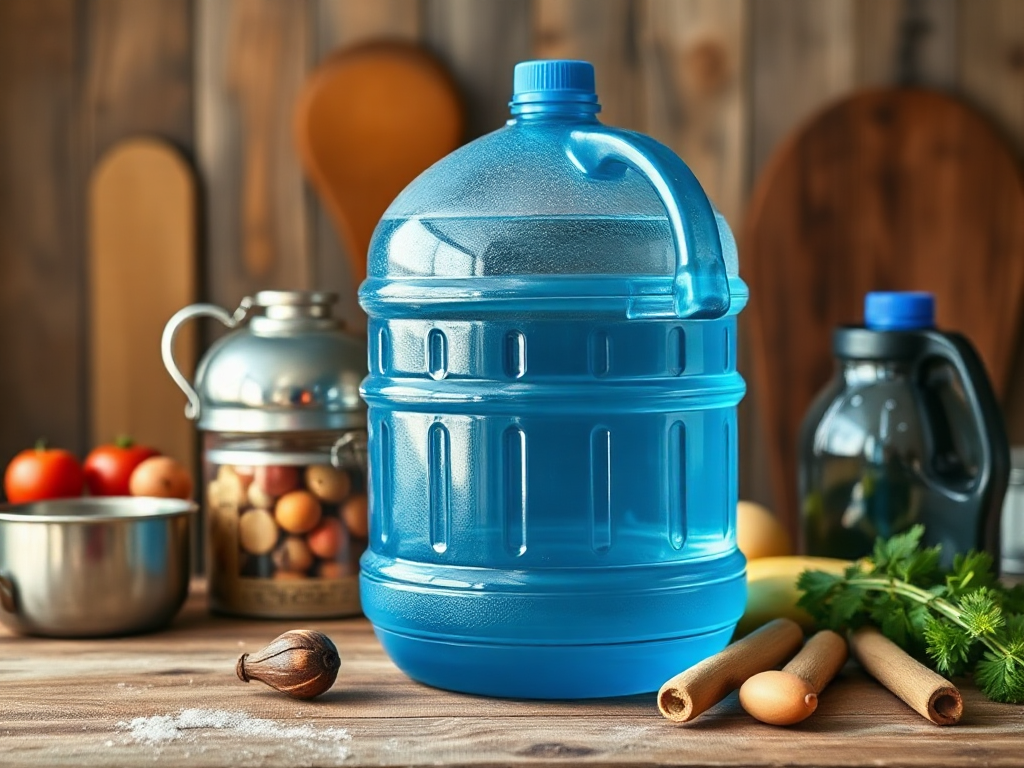
Storing gasoline safely at home requires using proper containers and taking necessary precautions to prevent accidents. Approved containers, typically made of high-density polyethylene or metal, should be used to minimize the risk of leaks and spills. Ensure that these containers are clearly labeled and stored in a cool, dry place away from direct sunlight or heat sources to reduce the risk of fire and explosion.
Many people underestimate the importance of proper gasoline storage, leading to accidents such as fire hazards or environmental contamination. It is essential to consider the quantity of gasoline you plan to store, as local regulations often dictate how much can be kept on residential properties. Additionally, regularly check the containers for signs of wear or damage, as this can prevent potential leaks that may result in hazardous situations.
Choosing the Right Containers
Use only containers that are specifically designed for gasoline storage. These containers are usually made from durable materials that can withstand the corrosive nature of gasoline. Look for containers that have been certified by safety organizations, indicating they meet specific safety standards.
Using improper containers, such as plastic bottles or food containers, can lead to leaks and spills. Additionally, ensure that the containers are equipped with a secure closure mechanism to prevent evaporation and accidental spills. Always opt for containers with a capacity that fits your storage needs while adhering to local regulations regarding maximum storage amounts.
Location and Ventilation
Gasoline should be stored in a cool, ventilated area that is away from any ignition sources, such as heaters, stoves, or electrical equipment. Ideally, this location should be outside of living spaces, such as in a shed or detached garage, to minimize the risk of exposure to fumes.
Proper ventilation is crucial as gasoline vapors can accumulate and pose a significant fire risk. Ensure that the storage area has adequate airflow to disperse any potential fumes. Regularly check the area for any signs of leaks or spills, and clean up any spills immediately to maintain a safe environment.
Safety Precautions
When handling gasoline, always wear appropriate protective gear, including gloves and safety goggles, to prevent skin contact and eye irritation. Additionally, keep a fire extinguisher nearby that is rated for flammable liquids, and make sure all household members are aware of the storage location and safety protocols.
It is also advisable to have a spill kit on hand to manage any accidental fuel spills promptly. When transferring gasoline to and from containers, do so in a well-ventilated area and avoid using electronic devices that could ignite fumes. Always follow local regulations regarding the storage and disposal of gasoline to ensure compliance and safety.
Further Reading
Authoritative Sources
National Fire Protection Association (NFPA) nfpa.org
Provides guidelines and safety tips for storing flammable materials, including gasoline
Environmental Protection Agency (EPA) epa.gov
Offers information on safe storage practices and regulations for hazardous materials
Details safety standards and consumer guidelines for flammable liquids
Frequently Asked Questions
What type of container is best for storing gasoline?
Approved gasoline containers made of high-density polyethylene or metal are best, as they are designed to prevent leaks and withstand corrosion.
How can I tell if my gasoline is still good to use?
Gasoline typically has a shelf life of about three to six months. If it has a foul odor, appears cloudy, or has separated, it is best not to use it.
Can I store gasoline in my garage?
Yes, but it should be in a well-ventilated area and away from heat sources. Using approved containers is essential.
What should I do if I spill gasoline?
Immediately clean up the spill using absorbent materials, and ventilate the area. Dispose of the materials according to local hazardous waste regulations.
Is it illegal to store gasoline at home?
Storage regulations vary by location. Check local laws to ensure compliance with limits on quantity and safety measures.
Conclusion
Storing gasoline safely at home is crucial to preventing accidents and ensuring a secure environment. Always use approved containers, keep gasoline in a cool, ventilated area, and adhere to local regulations. Regularly inspect your storage setup for any signs of wear or damage and educate all household members about safety practices. By following these guidelines, you can minimize risks and store gasoline effectively.
Emergency kits often fail people primarily because they are not tailored to individual needs or specific scenarios. Many kits contain generic supplies that may not address the unique challenges faced during different emergencies, such as natural disasters or personal safety threats. This lack of customization can lead to critical oversights, such as missing medications, essential tools, or specific food requirements.
Another common pitfall is the assumption that having a kit is sufficient without regular updates or checks. Items can expire or become damaged, and the needs of individuals may change over time. For example, a family with young children might need different supplies than an elderly couple. Regularly assessing the contents of an emergency kit ensures that it remains relevant and effective when needed the most.
Understanding the Importance of Customization
Customization is crucial for an effective emergency kit. A one-size-fits-all approach often results in inadequate preparedness for specific threats. For instance, those living in hurricane-prone areas need supplies that differ from those required by individuals in earthquake zones. Assessing personal risks and including tailored items—like specific medications, tools, or dietary needs—can make a significant difference.
Additionally, understanding the local environment can help in selecting the right supplies. For example, if you live in a region prone to flooding, waterproof bags or containers for vital documents can be lifesavers. Conversely, if you are in a wildfire area, ensuring that your kit includes protective masks and fire-resistant blankets is essential.
Common Mistakes in Emergency Preparedness
One major mistake people make is underestimating the duration of emergencies. Many kits are designed for short-term situations, failing to account for extended periods without access to resources. This can lead to shortages of food, water, and basic necessities when crises last longer than anticipated.
Another frequent oversight is neglecting to include essential tools. Items such as multi-tools, flashlights with extra batteries, and first-aid supplies are often overlooked. These tools are critical for managing emergencies effectively. Understanding the potential scenarios you might face can help you avoid these common pitfalls.
Evaluating and Updating Your Kit
Regular evaluation of your emergency kit is essential for maintaining its effectiveness. This should include checking expiration dates on food and medical supplies, as well as ensuring that all items are in good working condition. A kit that has not been reviewed for years may contain expired medications or damaged equipment, rendering it useless in a crisis.
Moreover, consider conducting a family drill to test the kit’s effectiveness. This can help identify any missing items or areas that need improvement. Engaging family members in the process fosters awareness and preparedness, ensuring everyone knows what to do in an emergency.
For those looking to enhance their emergency preparedness knowledge, official resources such as the Ready.gov website provide valuable insights into creating effective emergency plans and kits tailored to individual needs.
Frequently Asked Questions
What items are essential for an emergency kit?
Essential items include water, non-perishable food, first-aid supplies, flashlight, batteries, and personal medications.
How often should I update my emergency kit?
It’s advisable to review and update your emergency kit at least twice a year to ensure all items are current and functional.
Can I use my emergency kit for everyday situations?
Yes, many items in an emergency kit can be useful for everyday situations, such as travel or outdoor activities.
What should I consider when customizing my kit?
Consider your location, potential risks, family needs, and any specific health requirements when customizing your kit.
Is it necessary to have an emergency kit at home?
Having an emergency kit at home is crucial for preparedness, as it can help you respond effectively to various emergencies.
Conclusion
All in all, understanding why emergency kits often fail is essential for effective preparedness. Customizing your kit to reflect personal needs and local risks can significantly enhance your readiness. Regularly evaluating and updating your supplies ensures your kit remains functional and relevant. Prioritize creating a robust emergency plan that includes a well-stocked kit to improve your resilience in the face of unexpected challenges.
Using a grill indoors is generally unsafe due to the risks of fire and carbon monoxide poisoning. Traditional outdoor grills produce harmful gases that require proper ventilation, which is typically unavailable indoors. If you’re considering grilling inside, it’s essential to understand the dangers and explore safer alternatives.
Grills designed for outdoor use, such as charcoal or propane models, emit smoke and toxic fumes that can quickly accumulate in enclosed spaces, leading to hazardous conditions. Additionally, the open flames and hot surfaces pose significant fire risks, especially in homes with flammable materials nearby. Therefore, it’s crucial to prioritize safety and consider using electric grills specifically designed for indoor use.
Understanding the Risks of Indoor Grilling
Indoor grilling poses significant health and safety risks, primarily due to the buildup of carbon monoxide and other harmful gases. When using a charcoal or propane grill indoors, the lack of ventilation can lead to dangerous concentrations of these gases, which can be fatal. Furthermore, indoor grilling can result in accidental fires caused by grease flare-ups or heat exposure to nearby flammable materials.
Common mistakes include assuming that any grill can be safely used indoors or neglecting to monitor the cooking process closely. It’s vital to understand that while outdoor grills are designed for open-air cooking, they lack the safety features necessary for indoor use.
Safe Indoor Grilling Options
If you still want to enjoy grilled foods indoors, consider using electric grills or stovetop grill pans. Electric grills are specifically designed for indoor use and typically come with built-in safety features, such as non-stick surfaces and automatic shut-off functions. These grills are a safer alternative, as they do not produce harmful smoke or fumes.
Stovetop grill pans can also be used to achieve a grilled effect without the dangers associated with traditional grills. They are easy to use, heat quickly, and can create sear marks on your food, giving you that grilled flavor without the risks.
Precautions When Grilling Indoors
Even when using indoor-safe equipment, certain precautions should be taken to ensure safety. Always grill in a well-ventilated area to prevent smoke buildup. Keep a fire extinguisher nearby and never leave the grill unattended while in use. Additionally, regularly check your equipment for any signs of damage or wear that could pose safety risks.
It’s also essential to follow the manufacturer’s instructions for your indoor grilling equipment to ensure safe operation. This includes understanding the temperature settings and cooking times to prevent overheating or accidents.
Alternatives to Grilling Indoors
If indoor grilling still feels too risky, consider alternatives such as broiling in your oven or using an air fryer. Both methods provide similar cooking results, allowing you to achieve that crispy, grilled texture without the hazards associated with traditional grilling.
Broiling uses high heat from above to cook food, while air fryers circulate hot air around the food for a crispy finish. Both methods are safer for indoor use and can yield delicious results.
Frequently Asked Questions
Can I use a propane grill indoors?
No, using a propane grill indoors is highly dangerous due to the risk of carbon monoxide poisoning and fire hazards.
What are the safest indoor grilling options?
Electric grills and stovetop grill pans are the safest options for indoor grilling, as they are designed for such environments.
How can I prevent smoke when grilling indoors?
Use electric grills with built-in smoke reduction features and ensure proper ventilation in the cooking area.
What should I do if there is a fire while grilling indoors?
Immediately turn off the grill, evacuate the area, and use a fire extinguisher if safe to do so. Call emergency services if needed.
Are there healthier alternatives to grilling indoors?
Yes, broiling in the oven or using an air fryer are healthier alternatives that mimic grilling without the associated risks.
Conclusion
Ultimately, using a grill indoors is fraught with risks that can lead to serious health hazards. Prioritizing safety is crucial, and opting for electric grills or stovetop grill pans can provide a safer alternative. Always ensure proper ventilation and adhere to safety precautions to minimize risks. If indoor grilling still seems unsafe, consider alternative cooking methods like broiling or air frying to enjoy delicious grilled flavors without compromising your safety.
When faced with a power grid failure, the immediate priority is to ensure your safety and assess the condition of your environment. This can be triggered by various factors, including severe weather events, infrastructure issues, or unexpected equipment failures. Understanding the root cause is essential for mitigating risks and making informed decisions.
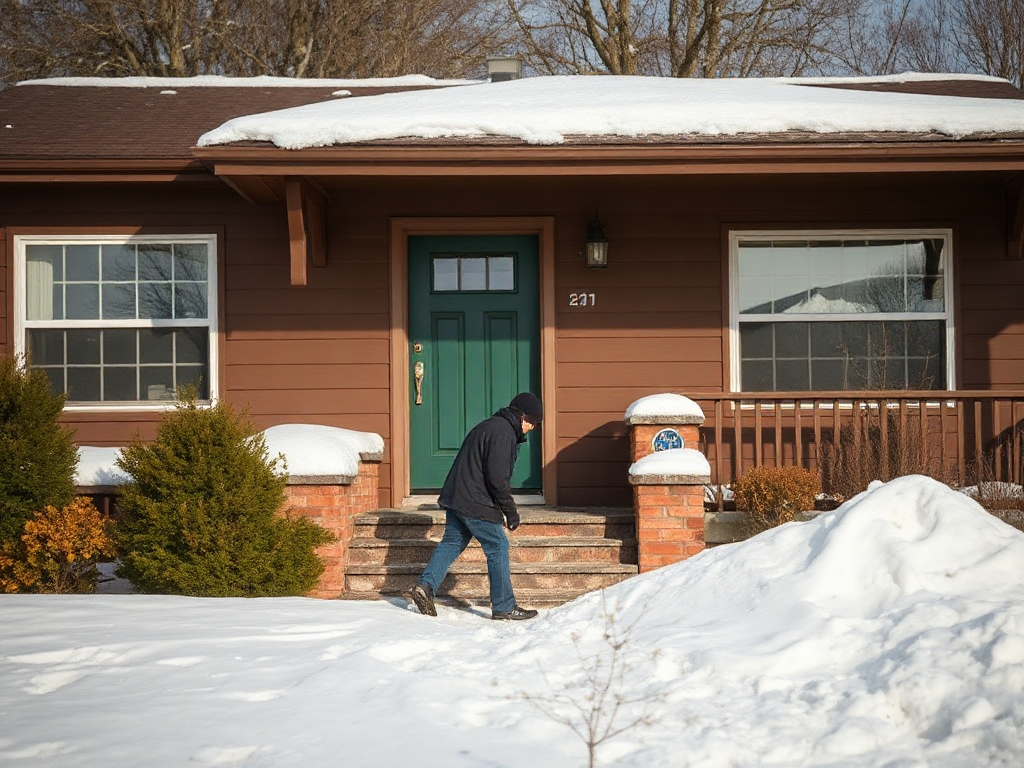
Start by checking on family members and ensuring everyone is safe. Next, inspect your property for any hazards that may have arisen due to the outage, such as downed power lines or gas leaks. If you use medical devices that require electricity, have a backup plan ready to address these needs.
Assessing Your Immediate Environment
Initially, assess your surroundings to identify any potential dangers, such as downed power lines or structural damage. This step is crucial as it can prevent further accidents or injuries. If you notice any hazardous conditions, contact local authorities to report them.
people overlook the importance of checking their immediate vicinity first. Ensure that your home is secure and safe to remain in during the outage. Consider moving to a designated safe area if necessary.
Securing Essential Supplies
Once safety is confirmed, focus on securing essential supplies. This includes food, water, and any necessary medications. It’s important to have a sufficient supply of non-perishable food items and clean drinking water. Aim for at least one gallon of water per person per day, and store enough for at least three days.
Many individuals underestimate their needs during an outage, leading to unnecessary stress. Plan ahead by keeping a stock of emergency supplies in an accessible location. Include a manual can opener, flashlights, batteries, and a first aid kit in your emergency supplies.
Staying Informed
Keeping informed about the situation is vital. Use a battery-operated or hand-crank radio to receive updates from local news stations or emergency services. If you have a charged mobile device, monitor official social media channels and news apps for real-time information.
Failing to stay updated can leave you unprepared for changes in the situation, such as the estimated duration of the power outage or instructions from local authorities. Make it a routine to check for updates regularly while the outage persists.
Backup Power Solutions
If the power outage lasts for an extended period, consider backup power solutions. Generators can provide temporary electricity for essential appliances, but ensure they are used safely and in well-ventilated areas to avoid carbon monoxide poisoning.
Many people overlook the importance of having a generator or alternative power source ready. If investing in a generator, research the appropriate size for your needs and familiarize yourself with its operation before an emergency occurs.
Frequently Asked Questions
What should I do first during a power outage?
Ensure your safety by assessing your surroundings and checking for any immediate dangers.
How long can food last without electricity?
Food in a refrigerator can last about 4 hours if unopened; a full freezer can keep food safe for 48 hours.
What are the best backup power options?
Generators, solar power systems, and battery backup systems are effective options for providing emergency power.
How can I stay informed during an outage?
Use a battery-operated radio or smartphone to monitor local news and emergency updates.
What supplies should I have on hand for emergencies?
Maintain a stock of non-perishable food, water, batteries, flashlights, and a first aid kit in your emergency supplies.
Conclusion
In the event of a power grid failure, prioritizing safety and securing essential resources are crucial first steps. Assess your environment, gather necessary supplies, and stay informed about the situation. Preparing ahead for such emergencies can significantly reduce stress and ensure you and your loved ones remain safe during an outage. Evaluate your backup power options to be ready for prolonged outages, and remember to check in on family and neighbors during emergencies.