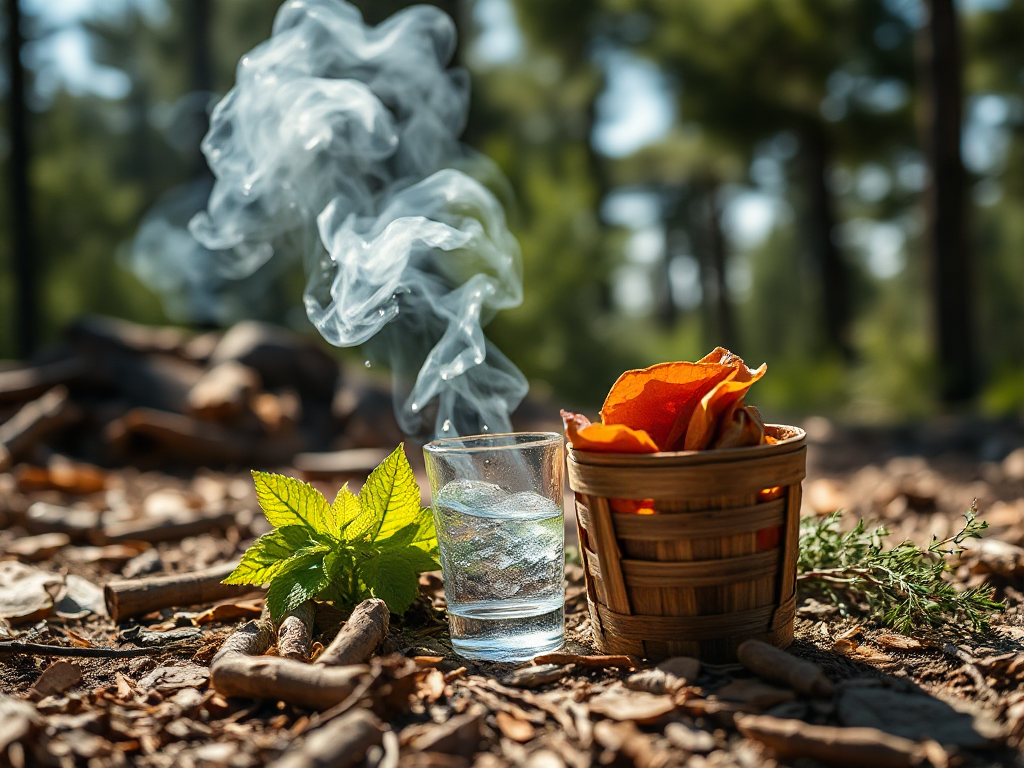
Starting a fire without matches can be achieved through various techniques, including friction-based methods, striking flint, or using a magnifying glass. Each of these methods relies on generating enough heat to ignite tinder, a crucial component in the fire-starting process. It is essential to gather dry materials and understand the specific technique you will employ, as the success of your fire-making efforts heavily depends on these factors.
In survival situations, knowing how to start a fire without matches can be lifesaving. Fire provides warmth, light, and can be used for cooking food or purifying water. However, many individuals underestimate the challenges involved in this skill. For example, a common mistake is using damp wood or improper tinder, which can lead to frustration and failure. Understanding the characteristics of your materials and the environment can help you overcome these hurdles.
Understanding Fire Fundamentals
Fire requires three key elements: heat, fuel, and oxygen, often referred to as the fire triangle. To successfully start a fire without matches, you must manipulate these elements effectively. The heat can be generated through various means, while the fuel must be dry and combustible. Oxygen is typically abundant in the environment, but ensuring proper airflow to your fire is essential for sustaining it.
When attempting to start a fire, proper preparation is vital. Gather your tinder, kindling, and larger fuel sources ahead of time. Tinder can include dry leaves, grass, or bark, while kindling consists of small twigs or branches. The larger fuel will be logs or larger pieces of wood. Having these materials ready will improve your chances of success and reduce the time spent trying to gather them under pressure.
Friction-Based Methods
The bow drill is one of the most well-known friction methods for starting a fire. This technique involves using a bow to rotate a spindle against a fireboard, creating friction and heat. To utilize this method effectively, you’ll need a sturdy bow, a spindle, a fireboard, and a hearth. The friction creates an ember, which can be transferred to your tinder.
Common pitfalls include using wet or soft wood for the spindle or fireboard, which can lead to insufficient heat generation. Make sure to select dry, hard materials for optimal performance. Additionally, practice is essential; mastering the bow drill can take time and multiple attempts, so be patient and willing to refine your technique.
Using Flint and Steel
Another effective method for starting a fire without matches is using flint and steel. This technique creates sparks by striking steel against flint, which can ignite your tinder. For this method, you will need a piece of flint, a carbon steel striker, and dry tinder.
When using flint and steel, ensure that your tinder is finely shredded and dry. Aim the sparks directly onto the tinder to increase the chances of ignition. A common mistake is using too thick of a tinder bundle, which can smother the sparks instead of allowing them to ignite. Practice this method in a safe environment to build confidence before relying on it in a survival situation.
Magnifying Glass Technique
The magnifying glass technique uses sunlight to ignite tinder. By focusing sunlight through the lens onto a small point on the tinder, you can create enough heat to start a fire. This method requires a clear day and dry tinder, making it less reliable in overcast conditions.
To maximize your chances of success, hold the magnifying glass at the right angle to concentrate the sunlight effectively. A common error is not allowing the sunlight to focus long enough on the tinder, so be patient and move the glass slightly if needed to maintain focus. This method is particularly useful for those who are prepared and have the right materials on hand.
Frequently Asked Questions
What is the easiest method to start a fire without matches?
The easiest method often depends on the materials available, but using flint and steel is commonly considered effective due to its simplicity and reliability.
Can I start a fire with just one piece of wood?
While it’s challenging, you can use a single piece of wood for friction methods, but it typically requires two pieces—one as a spindle and the other as a fireboard—for effective heat generation.
Is it necessary to have special tools to start a fire without matches?
No, you can start a fire using natural tools like sticks and stones, but having tools like flint and steel or a magnifying glass can make the process easier and more reliable.
What types of tinder work best?
Dry materials such as grass, leaves, and bark work best as tinder. The finer the tinder, the easier it is to ignite.
How long does it take to start a fire using these methods?
The time it takes to start a fire varies by method and experience level, but with practice, you can often achieve ignition within 5 to 15 minutes.
Conclusion
Starting a fire without matches is a valuable skill that can provide warmth, cooking capabilities, and safety in various situations. By understanding the fundamentals of fire, practicing different techniques, and preparing your materials in advance, you can increase your chances of success. Focus on the method that suits your environment and available resources, and remember that practice is key to mastery. With patience and persistence, you’ll be well-equipped to start a fire when it matters most.
Consuming contaminated water can result in a range of health issues, including gastrointestinal infections, cholera, and even long-term neurological damage. The contaminants may include bacteria, viruses, parasites, or harmful chemicals that disrupt bodily functions. Knowing the risks associated with drinking unsafe water is crucial for maintaining health, especially in areas where water quality is questionable.
When people consume contaminated water, they may experience symptoms such as nausea, vomiting, diarrhea, and abdominal pain. These symptoms can lead to dehydration and, in severe cases, hospitalization. It’s essential to recognize that not all contaminants are visible; some, like heavy metals or pesticides, can be present without any noticeable changes in water appearance or taste. Therefore, relying solely on sensory assessments can be misleading.
Understanding Contaminants in Water
Contaminants in water can originate from various sources, including agricultural runoff, industrial discharges, and sewage leaks. These pollutants can introduce harmful microorganisms or toxic substances into the water supply. Microbial contaminants, such as bacteria and viruses, pose immediate health risks, while chemical contaminants can have long-term effects on health.
Common sources of water contamination include:
Agricultural runoff from pesticide and fertilizer use
Industrial waste discharge
Improperly treated sewage
Natural sources, such as heavy metals from mining activities
Health Effects of Drinking Contaminated Water
Health effects can vary significantly based on the type of contaminants present. Microbial contaminants can lead to acute illnesses, while chemical contaminants might result in chronic conditions. For example, drinking water contaminated with E. coli can cause severe gastrointestinal illness, while long-term exposure to lead can affect brain development in children.
Some notable health issues caused by contaminated water include:
Gastroenteritis from viruses and bacteria
Neurological disorders linked to heavy metal exposure
Chronic diseases from chemical pollutants
Immediate Actions to Take
If you suspect that you’ve consumed contaminated water, the first step is to stop drinking it immediately. If you’re experiencing symptoms, it’s essential to stay hydrated and seek medical attention, especially if symptoms worsen. Health professionals can provide necessary treatments and tests to identify specific contaminants.
In the meantime, consider using bottled water or boiling water to kill pathogens if safe drinking water isn’t available. Boiling water for at least one minute can effectively eliminate most microorganisms.
Preventing Water Contamination
Preventing water contamination begins with understanding its sources and implementing protective measures. Regular testing of water sources is crucial, especially for private wells or areas with known contamination issues. Installing water filtration systems can also help remove harmful substances and improve water quality.
Other preventive strategies include:
Proper disposal of hazardous waste
Maintaining a safe distance between agricultural activities and water sources
Promoting community awareness about water safety
Further Reading
Authoritative Sources
CDC: Healthy Water cdc.gov
This resource provides comprehensive information on safe drinking water practices and the health risks associated with contaminated water
EPA: Safe Drinking Water epa.gov
The EPA offers guidelines and regulations for maintaining safe drinking water standards across the United States
Frequently Asked Questions
What are the symptoms of drinking contaminated water?
Symptoms can include gastrointestinal issues like diarrhea, vomiting, and abdominal cramps, as well as fever and dehydration.
How can I test my water for contamination?
Water testing kits are available for purchase or you can send samples to certified laboratories for analysis.
Is boiling water enough to make it safe?
Boiling water for at least one minute can kill most pathogens, but it won’t remove chemical contaminants.
Can contaminated water cause long-term health effects?
Yes, prolonged exposure to certain contaminants, especially heavy metals and chemicals, can lead to chronic health issues.
What should I do if I suspect my water is contaminated?
Stop using the water immediately, seek safe drinking alternatives, and consult local health authorities or a medical professional.
Keeping food cold without electricity can be crucial during power outages, camping trips, or emergencies. The best way to achieve this is by utilizing methods that minimize heat transfer and enhance cooling through insulation or evaporation. Techniques such as using insulated containers, ice packs, and even natural cooling methods can ensure your perishables remain safe for consumption.
When electricity is unavailable, it’s essential to understand the limitations of your cooling methods. For instance, while ice can provide immediate relief, it will eventually melt, necessitating a plan for replenishing it or finding alternative solutions. Additionally, the surrounding environment plays a significant role; keeping items in shaded or cooler locations will enhance their longevity. Recognizing these practical constraints can help you prioritize actions that maintain food safety.
Insulation Techniques
Insulation is one of the most effective ways to keep food cold without electricity. Using insulated containers helps to slow down the heat transfer from the environment to the food. This means that items stored in coolers or insulated bags will stay cold longer than those in regular containers.
When selecting an insulated container, look for those designed specifically for food storage. These containers often have double-walled construction and vacuum seals that enhance their effectiveness. Additionally, consider layering your food with materials like blankets or towels for extra insulation, which can significantly extend the cooling period.
Evaporative Cooling Methods
Evaporative cooling is a technique that utilizes the natural process of evaporation to lower temperatures. This method can be particularly effective in dry climates. One simple way to implement this is by wrapping food items in a damp cloth and placing them in a well-ventilated area. As the water evaporates, it absorbs heat, cooling the food.
While effective, this method does require regular re-wetting of the cloth to maintain its cooling properties. Additionally, avoid placing the wrapped items in direct sunlight, as this can counteract the cooling effect. Instead, find a shaded area or a breezy spot to enhance the evaporation process.
Using Ice and Ice Packs
Ice and ice packs are perhaps the most straightforward solution for keeping food cold without electricity. Using ice can dramatically lower the temperature in your storage containers. Fill coolers with ice and place food items directly on top or surround them with ice packs for optimal cooling.
Always plan for how to replenish ice. If you’re in a prolonged situation without electricity, consider using block ice, which melts slower than cubed ice. Additionally, store ice in a well-insulated cooler to maximize its lifespan. Remember that the colder the temperature of the ice, the more effective it will be at keeping items cool.
Natural Cooling Solutions
Natural cooling solutions can also play a significant role in keeping food cold. For instance, a root cellar, if available, is an excellent way to maintain a cool environment for perishables, as the ground temperature remains relatively stable. Similarly, placing food items in a shaded area outdoors can help keep them cool.
Additionally, consider using sand or sawdust as insulation materials. Burying food in sand or sawdust can help maintain a lower temperature. However, ensure that the materials used are clean and safe for food contact. These natural methods can help extend the period during which food remains at a safe temperature.
Frequently Asked Questions
What is the best way to keep food cold without electricity?
The best way to keep food cold is by using insulated containers and ice packs, along with evaporative cooling techniques.
How long can food stay cold without electricity?
Food can stay cold for several hours to a few days, depending on insulation, ambient temperature, and the amount of ice used.
Can I use salt to keep ice from melting?
Yes, salt can lower the melting point of ice, helping it stay frozen longer, but it should be used cautiously as it can contaminate food.
What foods require the most refrigeration?
Dairy, meats, seafood, and certain fruits and vegetables are highly perishable and require refrigeration to prevent spoilage.
How can I extend the life of ice in a cooler?
To extend the life of ice, use block ice instead of cubed ice, keep the cooler in a shaded area, and limit the number of times the cooler is opened.
Conclusion
Maintaining the cold temperature of food without electricity requires a combination of effective methods such as insulation, evaporation, and the strategic use of ice. By understanding the strengths and limitations of each technique, you can prioritize actions that ensure food safety during outages or emergencies. Remember to consider your environment and available resources as you implement these strategies, ensuring that your food remains safe and fresh for as long as possible.
Duct tape has proven to be a vital asset in survival scenarios, offering a wide range of applications from repairs to improvisational uses. Its strong adhesive properties make it suitable for securing items, patching leaks, and even constructing temporary shelters. However, while duct tape is versatile, it is essential to recognize its limitations, particularly in extreme weather conditions or for long-term solutions.
In survival situations, the ability to improvise can be critical. Duct tape can be used to create makeshift splints for injuries, secure gear to backpacks, or even fashion tools when necessary. Yet, its effectiveness may diminish under high stress or prolonged exposure to moisture. Therefore, prioritize using duct tape for immediate, temporary solutions while being aware of the need for more robust materials in the long run.
Key Applications of Duct Tape in Survival
Duct tape serves numerous purposes in survival situations, making it an invaluable tool. Common applications include repairing gear, creating makeshift shelters, and securing items together. For instance, if a backpack strap breaks, duct tape can quickly reattach it, allowing for continued travel.
Additionally, duct tape can be used for first aid purposes, such as creating a splint for a broken limb. Its adhesive quality can also help in sealing wounds temporarily until proper medical attention is available. However, it is important to remember that while duct tape can provide immediate solutions, it should not replace proper medical supplies.
Limitations and Considerations
Despite its many uses, duct tape has limitations that must be understood. Its adhesive may not perform well in extreme temperatures, whether hot or cold, and prolonged exposure to moisture can weaken its bond. Additionally, duct tape is not designed for heavy-duty applications, so relying on it for structural repairs is not advisable.
When using duct tape, smart readers should consider the environment and the specific needs of their situation. For example, if a shelter is needed, duct tape can hold together lightweight materials like tarps, but for more permanent structures, stronger materials should be prioritized. Understanding these constraints will help in making the best use of duct tape in survival scenarios.
Real-World Scenarios
There are countless real-world examples where duct tape has played a crucial role in survival situations. From outdoor enthusiasts to emergency responders, many have relied on its versatility. For instance, during a camping trip, a hiker used duct tape to repair a torn tent, ensuring protection from the elements.
Another scenario involved a stranded motorist who used duct tape to temporarily fix a leaking radiator hose, allowing them to reach safety. These examples highlight the importance of having duct tape in survival kits, as it can provide immediate, practical solutions to unexpected challenges.
For those interested in learning more about the applications and limitations of duct tape, consider exploring official survival guides or reputable outdoor resources that discuss practical uses in emergency situations. Knowledge of these resources can enhance preparedness and decision-making in the field.
Frequently Asked Questions
What are the primary uses of duct tape in survival situations?
Duct tape can be used for repairs, securing gear, and making splints or shelters in survival scenarios.
Are there any limitations to using duct tape?
Yes, duct tape may not perform well in extreme temperatures or when exposed to moisture, and it is not suitable for heavy-duty applications.
Can duct tape be used for first aid?
Duct tape can be used for temporary first aid, such as securing bandages or creating splints, but it should not replace professional medical supplies.
Is duct tape safe for all materials?
While duct tape adheres to many surfaces, it may damage some materials, such as delicate fabrics or surfaces that require a strong bond.
How should duct tape be stored for emergencies?
Duct tape should be stored in a cool, dry place to maintain its adhesive properties and prevent degradation.
Conclusion
In closing, duct tape is a remarkably useful tool in survival situations, offering a wide range of applications for both immediate fixes and creative solutions. However, it is crucial to recognize its limitations and understand the contexts in which it performs best. By keeping duct tape in your survival kit and using it wisely, you can enhance your preparedness for unexpected challenges, while also knowing when to seek more durable solutions. Ultimately, the key is to balance its versatility with an awareness of its constraints.
Preventing food waste during emergencies requires proactive measures and an understanding of how to manage food resources effectively. When faced with a crisis, factors such as power outages or limited access to fresh supplies can accelerate spoilage. Therefore, the first step is to prioritize proper food storage techniques and maintain an inventory of your food supplies, which can help you utilize perishables before they go bad.
Understanding expiration dates and the differences between ‘sell by’, ‘use by’, and ‘best before’ dates is crucial. Many people mistakenly discard food that is still safe to eat. For instance, canned goods can last well beyond their ‘best before’ date if stored properly. Additionally, implementing a first-in, first-out (FIFO) system for your pantry can help minimize waste. By using older items first, you can avoid letting food spoil.
Understanding Food Preservation Techniques
Food preservation techniques are essential for extending the shelf life of your food during emergencies. Methods such as canning, freezing, and dehydrating can help you maintain food quality and safety. Canning involves sealing food in airtight containers, which can be stored for years without refrigeration. Freezing is another effective method, especially for fruits, vegetables, and meats. However, it’s vital to ensure your freezer remains powered or has a backup plan during outages.
Dehydrating food is also a practical approach, as it removes moisture and inhibits the growth of bacteria and mold. You can use a dehydrator or an oven set to a low temperature. Once dried, store the food in airtight containers in a cool, dark place. These methods not only prevent waste but also allow you to prepare for future emergencies.
Emergency Food Storage Strategies
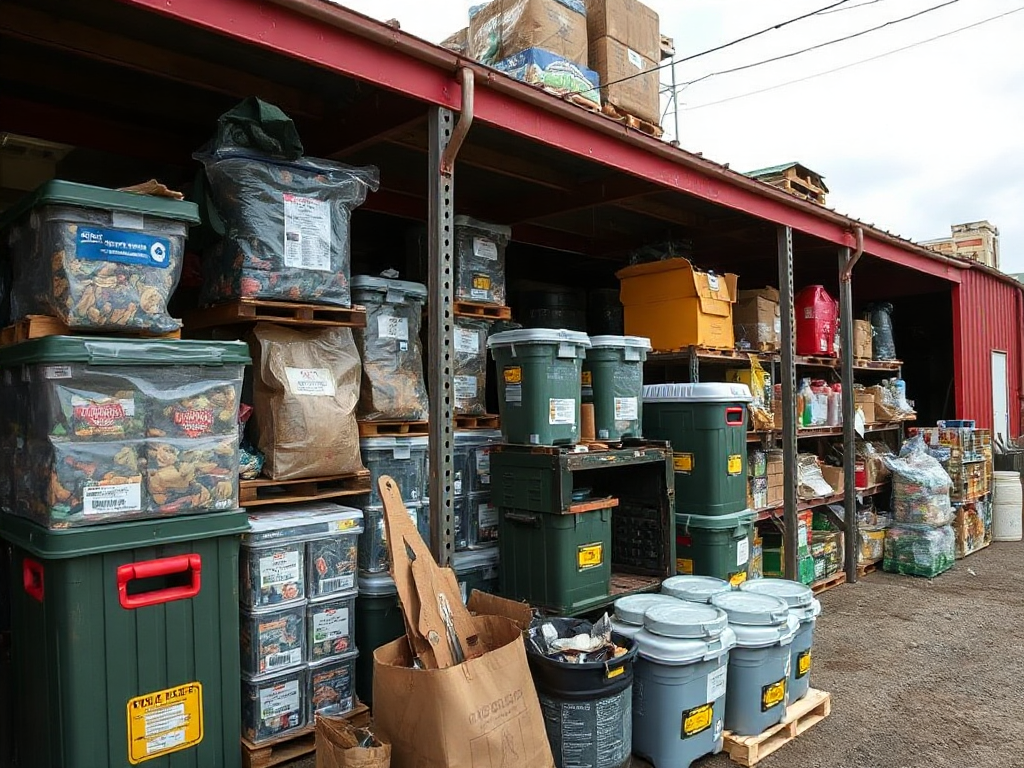
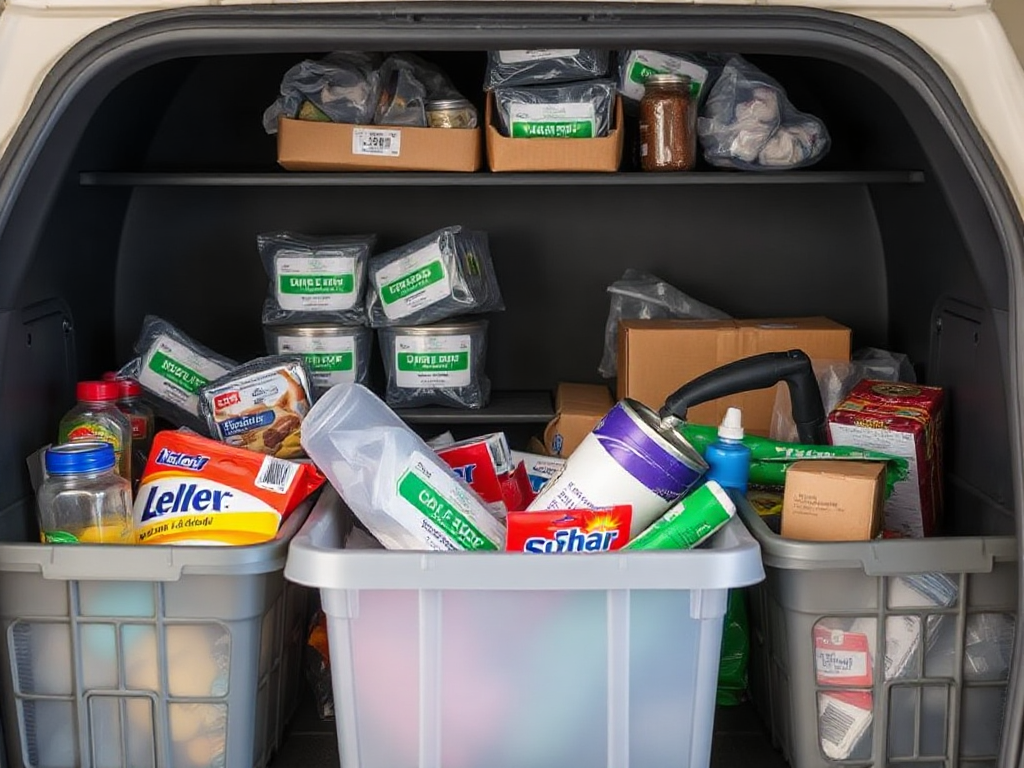
When planning for emergencies, consider the types of food you store and how you store them. Stocking up on non-perishable items like canned goods, rice, and dried beans is essential. However, it’s equally important to have a selection of perishables that can be consumed quickly. Organizing your food based on expiration dates can help you prioritize what to use first.
Investing in proper storage containers can also make a significant difference. Airtight containers prevent pests and moisture from spoiling your food. Additionally, labeling your containers with dates can help you track freshness and usage. Having a clear inventory of your supplies will help you avoid over-purchasing and reduce waste.
Managing Perishables Effectively
Managing perishables effectively during emergencies requires a strategic approach. Start by assessing what perishables you have on hand and plan meals around them. This can help ensure that you use items before they spoil. For example, consider making soups or stews that incorporate a variety of vegetables and proteins. These meals can be consumed in larger quantities and can often be frozen for later use.
Another strategy is to share excess food with neighbors or community members, which can help reduce waste and foster community support. Additionally, if you have access to a garden, growing your own herbs and vegetables can provide fresh produce during emergencies, further minimizing reliance on store-bought items.
Frequently Asked Questions
What are the best methods to preserve food during emergencies?
The best methods include canning, freezing, and dehydrating food, each suited for different types of perishables.
How can I tell if food is still safe to eat?
Check expiration dates, inspect for spoilage signs, and use the first-in, first-out method to manage your inventory.
What types of food should I stock for emergencies?
Focus on non-perishable items like canned goods, grains, and dried beans, along with some perishables that can be consumed quickly.
How can I minimize food waste in my household?
Plan meals based on what you have, share excess food, and utilize proper storage techniques to extend shelf life.
Is it safe to eat food past its expiration date?
Many foods are still safe to consume after their expiration date if they are stored properly and show no signs of spoilage.
Conclusion
To effectively prevent food waste during emergencies, focus on proper food storage techniques, understanding expiration dates, and managing perishables efficiently. Prioritize using food that is at risk of spoiling and consider preserving methods like canning and freezing. Developing a strategic plan will not only minimize waste but also ensure that your food supplies remain safe and usable during crises.