
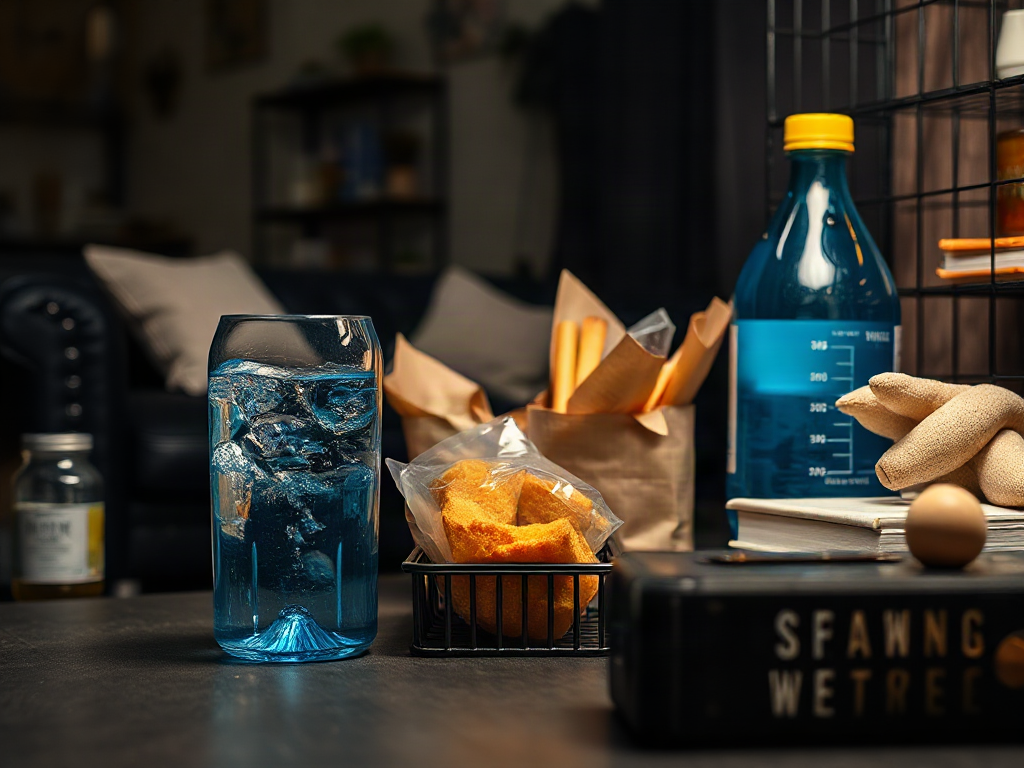
Disaster preparedness for extended power outages means protecting people first, then securing water, safe food, temperature control, lighting, communications, and backup power. Store drinking water and shelf-stable meals, keep refrigerator and freezer doors closed, use battery lighting instead of open flames, and operate generators only outdoors far from doors and windows. Account for medications, mobility needs, pets, severe heat or cold, and charging requirements before the outage begins. A written contact plan and a method for receiving official alerts matter because internet and cellular service may become unreliable. Recheck supplies regularly, discard questionable food, and leave home when indoor conditions become unsafe.
Set Priorities Before the Power Fails
Extended outages become difficult when ordinary household systems fail at the same time. Electric heat pumps, furnaces, well pumps, refrigerators, internet equipment, garage doors, and medical devices may all depend on electricity. A useful preparedness plan therefore begins with a household inventory rather than a shopping list. Identify who needs powered equipment, who may struggle with heat or cold, which doors or appliances require electricity, and where the nearest suitable cooling or warming location is.
Write down the first decisions your household will make. Decide how you will receive alerts, where everyone will meet if phones stop working, and who will check on relatives or neighbors. Keep paper copies of phone numbers, medication information, property contacts, and utility details. A phone-based plan is convenient, but a dead battery or overloaded network can make it unavailable when needed.
Prioritize supplies in this order: human safety, drinking water, temperature-sensitive medicines, food, sanitation, lighting, communications, and convenience. That order may change for a person using powered oxygen equipment or for a home facing extreme temperatures. Contact medical providers and equipment suppliers before an outage to ask about battery duration, alternate locations, and emergency procedures. Do not assume a small battery backup will run a high-draw device for several days.
- Record the location of the electrical panel, water shutoff, gas shutoff, and fire extinguisher.
- Charge power banks, rechargeable lights, radios, and assistive-device batteries.
- Keep cash, sturdy shoes, blankets, hygiene items, and basic tools accessible without a garage opener.
- Give a trusted person a key and a copy of essential contact information when appropriate.
A common failure is preparing for a short interruption while assuming services will quickly return. For a longer event, fuel availability, sanitation, sleep, and emotional strain become operational issues. Test the plan during a brief evening without normal lighting or internet. That exercise often reveals missing charging cables, inaccessible supplies, or unsafe reliance on an electric stove. Related household planning can be organized alongside Disaster preparedness for extended power outages resources, but the final arrangement should match the people and equipment in your home.
Store Water, Food, and Essential Medicines
Water deserves attention before food because a home may lose both pumping and treatment services during a prolonged outage. Store commercially packaged water or clean containers in a cool, dark location, and include water for drinking, medication use, food preparation, and limited hygiene. People with pets, infants, or medical needs require additional amounts. Rotate stored water according to the product label and local public-health guidance rather than treating storage as permanent.
Food storage should reduce cooking, refrigeration, and cleanup demands. Ready-to-eat items such as canned beans, fish, fruit, vegetables, nut butter, whole-grain crackers, shelf-stable milk, and familiar snack foods can be more useful than ingredients that require extensive boiling. Include a manual can opener. Choose foods household members will actually eat, including options for allergies, diabetes-related dietary needs, or swallowing limitations. A large quantity of unfamiliar emergency food can create waste and conflict when fuel and water are limited.
Keep refrigerator and freezer doors closed as much as possible. Place an appliance thermometer inside if available, and use public-health or food-safety guidance when deciding whether refrigerated or frozen food remains safe. Odor and appearance are not reliable tests for every foodborne hazard. When in doubt, discard the item; saving food is not worth risking illness when medical access and sanitation may already be constrained.
Medicines require a separate review. Ask a pharmacist or prescriber how to manage temperature-sensitive products, missed doses, or an interruption in powered delivery equipment. Keep a current medication list, spare prescription information, and basic first-aid materials in a container that can be carried. Do not stockpile prescription drugs or change dosing without professional advice.
The tradeoff between a camp stove and no-cook meals is often underestimated. A stove can make water heating and meal variety easier, but it introduces fuel, ventilation, burn, and storage concerns. A no-cook menu is less flexible but simpler during a stressful outage. Select the option your household can use safely, then practice opening cans, preparing meals, and disposing of waste without normal kitchen services. A focused outage food and water review should include expiration dates, container condition, dietary needs, and the number of days supplies are intended to cover.
Manage Heat, Cold, Light, and Carbon Monoxide
Temperature and combustion hazards can turn an inconvenience into an emergency. During cold weather, close off unused rooms, dress in layers, and watch for signs that indoor conditions are becoming unsafe. During hot weather, use shade, loose clothing, cool fluids, and lower-activity routines; check on older adults, infants, and people with health conditions more frequently. A fan may improve comfort but does not make dangerously hot indoor air safe when the surrounding temperature remains high.
Generators, grills, camp stoves, and charcoal devices must never be used inside a home, garage, basement, porch, or other enclosed or partly enclosed area. Carbon monoxide is colorless and odorless, so a person cannot rely on smell to detect it. Operate fuel-burning equipment outdoors, keep it well away from doors and windows, and follow the manufacturer’s instructions for grounding, fuel, extension cords, and load limits. A carbon monoxide alarm adds protection but does not make indoor generator use acceptable.
Portable battery stations avoid combustion emissions, but they have finite capacity. A small unit may handle phones, lights, and a medical monitor while failing quickly with a heater, refrigerator, or hot plate. Estimate wattage, charging time, and the order in which devices must run. A generator may offer more sustained output, but fuel storage, noise, maintenance, weather exposure, and connection safety create additional responsibilities. Never connect a portable generator to a household outlet as a substitute for a properly installed transfer system.
Lighting choices also affect safety. Use headlamps or battery lanterns for walking and reserve candles for situations where a responsible adult can supervise them continuously. Keep pathways clear, place lights where they can be reached in darkness, and avoid improvised wiring. A practical nighttime test is to locate the bathroom, electrical panel, and emergency supplies using only the equipment intended for an outage.
Common mistakes include running a vehicle in an attached garage to charge devices, using an outdoor appliance beneath a window, and assuming a tripped breaker is the only problem. If anyone develops headache, dizziness, weakness, nausea, chest pain, or confusion near fuel-burning equipment, move to fresh air and seek emergency help. Leave the property if heat, cold, fire, structural damage, or medical risk exceeds what the household can manage.
Maintain Communications and Make a Recovery Decision
Communication planning should work when broadband, cell service, and charging stations are unreliable. Keep a battery-powered or hand-crank radio, spare batteries, charged power banks, and written contact details. Subscribe to local emergency alerts before an outage, and learn which agencies provide utility restoration updates. A family group chat is useful during normal conditions but should not be the only method for sharing information.
Assign specific responsibilities rather than telling everyone to “stay informed.” One person can monitor official updates, another can check food and water, and another can contact an out-of-area relative. Use short messages to conserve battery power, and establish a check-in time. If a phone call fails, text messages may sometimes pass through, but no communication method should be treated as guaranteed.
Recovery begins before the lights return. Protect refrigerators and sensitive electronics from voltage fluctuations with suitable equipment, and avoid switching every appliance on at once. Inspect the home for water leaks, damaged wiring, fallen lines, spoiled food, and unusual odors. Treat every downed power line as energized, and report it rather than approaching it. If utility staff or local authorities issue instructions, follow them even when a portion of the home appears functional.
Deciding whether to shelter or relocate requires more than counting outage hours. Consider indoor temperature, drinking-water availability, sanitation, medication access, generator safety, and the condition of roads. Relocating early may be wiser for a household that depends on powered medical equipment or faces dangerous heat, while staying home may be reasonable when conditions are stable and supplies are adequate. Identify a destination and transportation option in advance instead of waiting until fuel stations, hotels, or public shelters are crowded.
Afterward, record what failed: a missing adapter, inadequate water, poor lighting, spoiled food, or a communication gap. Replace used supplies and revise the plan while the experience is fresh. The strongest disaster preparedness becomes more reliable through small tests, not through storing equipment that nobody has operated.
Frequently Asked Questions
How much water should a household store for an extended outage?
Store enough drinking and sanitation water for the people, pets, medications, and food preparation needs in your home, then expand the amount for the expected duration and local conditions. Official emergency guidance can provide a baseline, but medical, infant, and hot-weather needs may require more.
Can a generator run inside a garage with the door open?
No. A generator can produce dangerous carbon monoxide even with the garage door open. Operate it outdoors and well away from doors, windows, and other openings, following the manufacturer’s instructions.
What food is safest after the refrigerator loses power?
Use food-safety guidance rather than smell or appearance. Keep doors closed, check temperatures when possible, and discard perishable items that have been held in unsafe conditions or whose history is uncertain.
How can someone prepare medication for a long outage?
Keep an updated medication list and ask a pharmacist or prescriber about refills, temperature-sensitive storage, missed doses, and powered delivery devices. Do not alter dosing or storage requirements without professional advice.
When should a household leave during a power outage?
Leave when heat, cold, fire, carbon monoxide, flooding, medical-device failure, unsafe water, or structural damage exceeds what the household can manage. Plan transportation and a destination before conditions deteriorate.
Conclusion
Extended outage preparation works best when it is treated as a sequence of decisions rather than a pile of equipment. Protect people from temperature extremes and carbon monoxide first, then secure water, food, medicines, lighting, communications, and sanitation. Match backup power to actual wattage and runtime needs, and choose no-cook food when fuel use or ventilation would create unnecessary risk. Check on neighbors who may depend on electricity for medical or mobility needs, while respecting privacy and personal limits. Before the next outage, write down contacts, test lights and power banks, inspect stored water and food, and decide where you would go if the home became unsafe. Those modest actions reduce rushed choices when restoration takes longer than expected.