
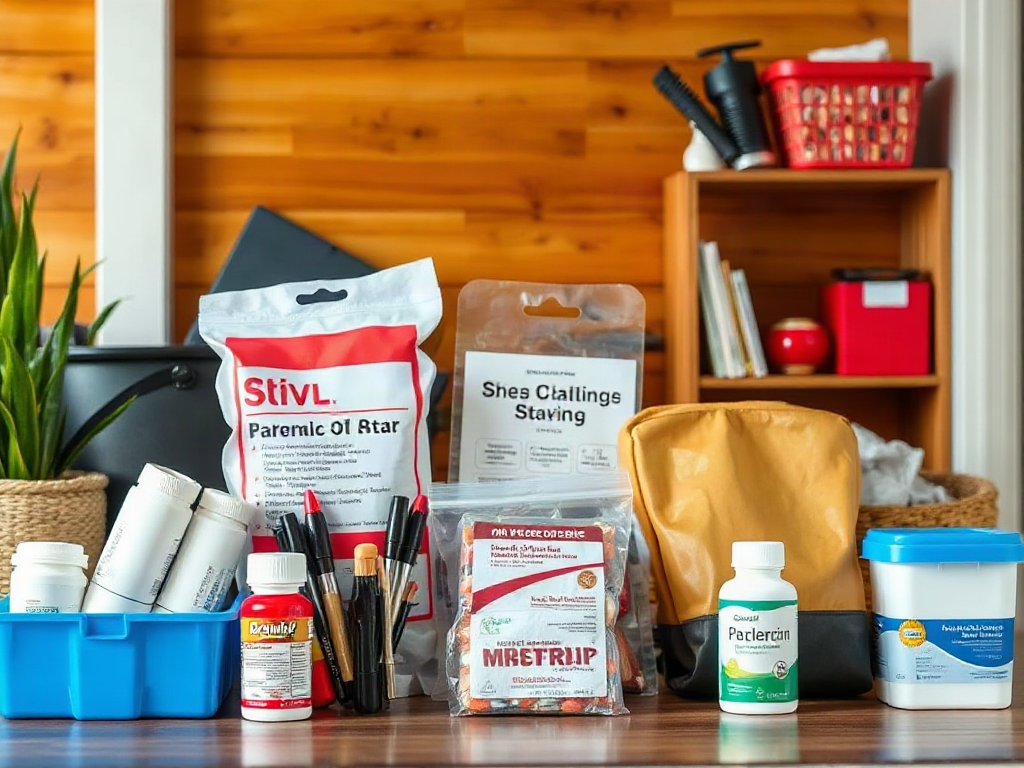
CDC emergency preparedness recommendations summarized for households center on knowing local hazards, building a basic supply kit, making a communication and evacuation plan, protecting medications and important records, and staying informed through official alerts. The CDC emphasizes tailoring preparations to household needs, including children, older adults, disabilities, pets, and medical equipment that depends on electricity. A useful plan identifies meeting places, out-of-area contacts, shelter options, and transportation before an emergency occurs. Avoid relying on one phone, one route, or a short supply of food and water; test the plan, replace expired items, and update it when household circumstances change.
What you’ll learn
This guide covers the following practical points:
- What the CDC Recommendations Prioritize — CDC emergency preparedness recommendations are designed to reduce confusion and protect basic health during disruptions such as severe weather, disease outbreaks, power failures, fires, and other emergencies.
- Building Supplies Around Real Household Needs — A practical emergency kit should support immediate safety, hydration, food, health, communication, and basic sanitation.
- Communication, Evacuation, and Information Plans — A communication plan should answer who contacts whom, where household members meet, and what happens if local phone service is congested.
- Maintaining a Plan That Works Under Pressure — Preparedness becomes reliable through review, not storage alone.
What the CDC Recommendations Prioritize
CDC emergency preparedness recommendations are designed to reduce confusion and protect basic health during disruptions such as severe weather, disease outbreaks, power failures, fires, and other emergencies. The emphasis is not on predicting the exact event. It is on identifying likely hazards, understanding local instructions, and preparing enough practical support to make safe decisions when normal services are interrupted.
A household risk assessment should begin with location and vulnerability. Flooding, hurricanes, winter storms, extreme heat, earthquakes, wildfire smoke, and infectious disease emergencies create different demands. A coastal household may need evacuation routes and medication protection, while a rural household may need a longer transportation plan because stores, shelters, and medical facilities are farther away. The CDC emergency preparedness recommendations summarized here are most useful when adapted to those conditions rather than copied as a fixed shopping list.
Personal circumstances determine the most urgent preparations. Someone who uses refrigerated medicine, oxygen equipment, insulin, mobility aids, or powered communication devices faces risks that a general kit may not address. Children, older adults, pregnant people, people with disabilities, and those with limited English proficiency may need additional planning or assistance. Pets and service animals also require food, medication, carriers, identification, and destination information.
A common mistake is treating preparedness as a one-time purchase. A large container of supplies does little if no one knows where it is, batteries are dead, prescriptions have changed, or the household cannot leave safely. The better approach is to connect each supply to a specific need: water for drinking and sanitation, a flashlight for a power outage, copies of records for replacement services, and a battery-powered or hand-crank communication method when cellular service is unreliable.
Building Supplies Around Real Household Needs
A practical emergency kit should support immediate safety, hydration, food, health, communication, and basic sanitation. The CDC commonly directs households toward several days of essential supplies, but the appropriate quantity depends on household size, local hazards, storage capacity, and access to outside assistance. People should follow current local agency instructions when an emergency creates special requirements.
Water deserves early attention because interruptions can affect drinking, cooking, handwashing, and medication use. Store commercially bottled water or use containers intended for water storage, and account for children, pets, and people with medical needs. Food should be familiar, shelf-stable, and usable without dependable refrigeration or cooking. Ready-to-eat canned foods, nut or seed products when appropriate, shelf-stable milk, dried foods, and manual can-openers may be more useful than supplies that require substantial preparation.
Health items should reflect the household rather than a generic kit. Include prescription medicines according to the prescriber and pharmacy’s guidance, over-the-counter products used regularly, first-aid materials, glasses, hearing-aid supplies, menstrual products, and copies of medication lists. Keep essential documents in a water-resistant container or secure digital location. Useful records may include identification, insurance information, emergency contacts, medical instructions, and proof of prescriptions.
Storage location creates a tradeoff. A basement may be cool but inaccessible during flooding; a garage may be convenient but exposed to heat; a single indoor closet may be easy to find but vulnerable if a damaged room cannot be entered. Dividing supplies between a home kit, vehicle kit, and grab-and-go bag can improve access, but duplication costs money and requires maintenance. A sensible starting priority is:
- Water, necessary medicines, and critical medical equipment.
- Light, communication tools, batteries, and a way to charge devices.
- Food, sanitation supplies, basic first aid, and weather-appropriate clothing.
- Important records, cash in small denominations, pet supplies, and mobility-specific items.
The failure mode to avoid is buying specialized equipment before covering fundamentals. A complex generator, for example, cannot replace a plan for fuel storage, safe operation, carbon monoxide prevention, and medical-device compatibility. Test each item in ordinary conditions. If a flashlight is difficult to operate, a radio cannot be tuned, or a packaged meal is unacceptable to the household, the problem is easier to fix before an emergency.
Communication, Evacuation, and Information Plans
A communication plan should answer who contacts whom, where household members meet, and what happens if local phone service is congested. Choose an out-of-area contact who can relay information between separated family members, and record numbers on paper rather than storing them only in a phone. Text messages may work when voice calls do not, but no single method is dependable in every event.
Evacuation planning requires more than identifying a route on a map. Determine at least two ways to leave, account for people who cannot drive, identify likely shelter restrictions, and decide how pets or service animals will travel. A household with a wheelchair user may need to confirm accessible transportation and shelter features in advance. A family with young children may need car seats, comfort items, and a plan for reunification if an emergency occurs at school or work.
Consider the difference between an evacuation order and a shelter-in-place instruction. Leaving too late can expose people to blocked roads, smoke, flooding, or fuel shortages, while leaving when authorities advise staying indoors can create unnecessary risk. Official emergency management agencies, local health departments, weather services, and CDC information channels can provide event-specific direction. Social media may help identify local conditions, but unverified posts should not override official instructions.
Write the plan in plain language and rehearse the parts most likely to fail. A short household drill might involve turning off utilities only if an appropriate authority or utility provider has given safe instructions, gathering the emergency bag, contacting the designated person, and reaching the planned meeting place. Do not practice dangerous actions merely to make the exercise realistic.
One weak assumption is that everyone will remember the plan under stress. Instead, place printed instructions near exits, keep a copy in each vehicle, and tell trusted caregivers what to do. The CDC emergency preparedness recommendations summarized should function as a decision aid: identify the signal, confirm the instruction, choose the safest available action, and communicate the result. If the plan depends on one road, one person, or one charging cable, it needs a backup.
Maintaining a Plan That Works Under Pressure
Preparedness becomes reliable through review, not storage alone. Set a recurring check for water containers, food dates, batteries, medication information, contact numbers, weather clothing, and vehicle supplies. Replace items after use and adjust quantities when household membership, health status, employment, school schedules, or pets change.
Use seasonal reviews to match likely conditions. Before winter, inspect heating alternatives, blankets, weather-appropriate clothing, and safe backup lighting. Before wildfire or hurricane season, verify evacuation destinations, transportation, document protection, and alerts. During periods of infectious disease concern, review hygiene supplies, medication access, telehealth contacts, and the household’s ability to separate a sick person from others if advised by health authorities.
Budget constraints make prioritization necessary. A household does not need to purchase every recommended item at once. Start with water, medicines, light, communication, food, sanitation, and a way to leave or shelter safely. Gradually add redundancy. Buying a large quantity of food while ignoring prescription access, transportation, or medical-device power creates an impressive-looking but unbalanced plan.
Signs that a plan is working include finding supplies quickly, explaining the meeting plan without prompts, knowing which alerts are authoritative, and identifying who needs assistance. Signs of failure include expired items, conflicting instructions, inaccessible storage, missing pet arrangements, and uncertainty about where to go. These checks reveal operational weaknesses that a checklist alone may conceal.
Households should also protect privacy while sharing necessary information. Keep medical and identification records secure, give relevant details to trusted contacts, and avoid posting travel plans or sensitive documents publicly. The CDC emergency preparedness recommendations summarized are a starting point, not a substitute for local emergency management guidance, medical advice, or instructions issued during a specific event.
Frequently Asked Questions
What does the CDC recommend putting in an emergency kit?
Prioritize water, shelf-stable food, medicines, first-aid supplies, sanitation items, flashlights, batteries, chargers, important records, and items needed by children, pets, older adults, or people with disabilities.
How long should a household prepare to manage without normal services?
Many preparedness authorities advise keeping several days of essential supplies, but the practical amount depends on local hazards, household needs, storage space, and access to assistance.
Should emergency supplies be stored in one place?
Keep core supplies accessible, but consider smaller vehicle or grab-and-go kits when evacuation, travel, or blocked access could separate people from the main household kit.
How can families prepare for power outages?
Plan for lighting, device charging, temperature changes, food safety, and medical equipment. Follow manufacturer instructions and never use fuel-burning equipment indoors or near openings.
How often should an emergency plan be updated?
Review it at least periodically and whenever contact details, medications, household members, pets, workplaces, schools, transportation, or local hazards change.
Conclusion
CDC preparedness guidance is most useful when converted into a household system that people can actually use. Identify the hazards most likely in your area, protect water and medicines first, provide for specific health and mobility needs, and record communication and evacuation decisions before an emergency begins. Add redundancy where failure would be dangerous, especially for transportation, contact methods, lighting, and power-dependent medical equipment. Review the supplies and instructions on a regular schedule rather than assuming a stored kit remains ready indefinitely. Use CDC, local health department, emergency management, and official alert sources for event-specific direction. A modest, tested plan tailored to the household is more dependable than a large collection of unmarked supplies no one has practiced using.
Additional Resources
Authoritative Sources
- American Red Cross Emergency Preparedness
redcross.orgPractical emergency preparation, safety, and supply guidance for households.