Understanding the strengths and weaknesses of each method is important. Boiling is effective but requires a heat source and time, while chemical tablets can introduce unpleasant tastes. Portable filters vary in effectiveness against viruses and bacteria, so knowing their specifications is crucial. In emergencies, quick access to clean water can make the difference between safety and health risks.
Common mistakes include relying solely on one method without considering its limitations. For instance, filters may not remove certain chemicals or viruses, and chemical tablets can be ineffective against some pathogens if not used properly. Prioritizing a multi-faceted approach, combining methods when possible, can ensure access to safe drinking water in various situations.
Boiling Water: The Traditional Method
Boiling water is one of the most reliable methods for purifying water during emergencies. This method effectively kills bacteria, viruses, and parasites, making it a trusted choice. To purify water, bring it to a rolling boil for at least one minute. At higher altitudes, extend the boiling time to three minutes due to lower boiling temperatures.
While boiling is effective, it has limitations. You need a heat source, which may not be available in all emergencies. Additionally, it does not remove chemical contaminants or sediments, which may be present in the water. Always consider the source of your water and whether additional filtration might be needed after boiling.
Many people overlook the importance of allowing boiled water to cool before consumption. This is crucial to avoid burns and ensure safe drinking. Furthermore, storing boiled water in clean, sanitized containers will prevent recontamination.
Chemical Purification Tablets: Convenience and Effectiveness
Chemical purification tablets, such as iodine and chlorine dioxide, are compact and effective for treating water. These tablets work by releasing chemicals that kill pathogens, making them a convenient option for emergencies. Follow the instructions carefully for the correct dosage and waiting time, typically around 30 minutes, before the water is safe to drink.
While tablets are lightweight and easy to carry, they do have drawbacks. Some people may experience adverse reactions to iodine, and the taste of chlorine can be off-putting. Moreover, they may not be effective against all viruses, so understanding the limitations of the specific product is vital.
It’s essential to have a backup plan. Relying solely on chemical tablets can lead to problems if the water source is heavily contaminated or if you run out of tablets. Combining this method with another purification technique, such as filtration or boiling, can enhance safety.
Portable Water Filters: Versatile Solutions
Portable water filters come in various types, including pump, gravity, and straw filters, each suited for different scenarios. These filters can effectively remove bacteria and protozoa, with some models also targeting viruses. They are particularly useful for filtering water from lakes, rivers, or other natural sources.
While filters are effective, they often require maintenance, such as cleaning or replacing cartridges. Additionally, the flow rate can be slow, especially for gravity-fed models. It’s crucial to know the specifications of your filter to ensure it meets your needs.
Many users underestimate the importance of pre-filtering turbid water before using a filter. This can prolong the life of the filter and improve its effectiveness. Furthermore, always have a backup method available in case the filter fails or needs replacement.
Comparative Analysis: Choosing the Right Method
Choosing the right water purification method depends on several factors, including the water source, available resources, and the specific emergency conditions. Each method has its advantages and disadvantages, making it essential to assess your situation carefully.
For instance, if you have access to a heat source, boiling might be the best choice for its reliability. If you need something lightweight and portable, chemical tablets are an excellent option. For longer-term needs, investing in a quality portable water filter may be worthwhile.
Always consider the potential trade-offs. A combination of methods often provides the safest approach, ensuring that you can adapt to changing conditions and water quality. Prioritize having multiple purification options in your emergency kit to cover various scenarios.
Further Reading
For those interested in exploring more about water purification methods, several resources can offer additional insights:
Authoritative Sources
CDC: Water Treatment Methods cdc.gov
This resource provides detailed information on various water treatment methods and their effectiveness
EPA: Drinking Water Contaminants epa.gov
Learn about contaminants found in drinking water and how to manage them effectively
Red Cross: Emergency Preparedness redcross.org
This guide offers insights into emergency preparedness, including water purification options
WHO: Drinking Water who.int
Explore global standards and recommendations for safe drinking water
Frequently Asked Questions
What is the best method for purifying water in emergencies?
The best method depends on your situation, but boiling, chemical tablets, and portable filters are all effective options.
How long do I need to boil water to make it safe?
Boil water for at least one minute; at higher altitudes, increase the time to three minutes.
Can I use bleach to purify water?
Yes, unscented household bleach can be used for water purification; add 8 drops per gallon and let it sit for 30 minutes.
Are all portable water filters effective against viruses?
No, not all filters remove viruses; check specifications before use to ensure they meet your needs.
What should I consider when choosing a water purification method?
Consider factors like the water source, available resources, and the specific emergency conditions.
Conclusion
Access to safe drinking water is critical during off grid emergencies. Understanding the best water purification options allows you to make informed decisions that ensure your safety and health. Prioritize methods like boiling, chemical tablets, and portable filters, and consider combining them for enhanced effectiveness. Always be prepared for various scenarios by equipping yourself with multiple purification options, ensuring you can adapt to changing conditions and maintain access to clean water.
In humid conditions, moisture can seep into food containers, which not only affects the food itself but also invites pests and bacteria that can further compromise safety. Many people underestimate the importance of using airtight containers and moisture absorbers, which are vital for protecting food from the detrimental effects of humidity. Prioritizing these solutions can significantly extend the shelf life of stored food.
Another common mistake is failing to monitor storage temperatures and humidity levels. Ideally, emergency food should be stored in a cool, dry place, away from direct sunlight. Utilizing a hygrometer can help track humidity levels, allowing for timely interventions. Additionally, rotating food supplies regularly ensures that older items are used first, preventing waste and ensuring that supplies remain fresh.
Understanding Humidity’s Impact on Food Storage
Humidity can dramatically affect food preservation, especially in emergency storage situations. When the air is saturated with moisture, it can penetrate food packaging and create an environment conducive to mold and bacterial growth. This not only compromises the food’s safety but also its nutritional value.
For instance, grains and dried foods are particularly susceptible to moisture, which can lead to clumping, spoilage, or pest infestations. Understanding these dynamics is crucial for anyone looking to maintain a reliable emergency food supply. By recognizing the specific risks posed by humidity, individuals can take proactive measures to mitigate potential issues.
Moreover, many people overlook the importance of proper container selection. Using containers designed for moisture control can make a significant difference in food longevity. Investing in high-quality, airtight containers is a foundational step in effective food storage in humid climates.
Best Practices for Storing Emergency Food
To effectively store emergency food in humid climates, start by utilizing airtight containers made from materials resistant to moisture. Glass, metal, or high-grade plastic containers with sealing lids are ideal choices. Additionally, incorporating desiccants, such as silica gel packets, can absorb excess moisture within sealed containers.
It’s also vital to store food in a cool, dark location. Heat and light can accelerate spoilage, so basements or climate-controlled rooms are preferable. Regularly checking on stored supplies ensures that any signs of moisture or pest activity are addressed promptly.
Another practical approach is to vacuum seal food items, which removes air and significantly reduces moisture exposure. This method is particularly effective for bulk items, preventing spoilage and maintaining quality over time.
Common Mistakes to Avoid in Humid Climates
One of the most prevalent mistakes is neglecting to check the integrity of food packaging. Over time, seals can degrade, allowing moisture to enter. Regularly inspecting food containers for damage or compromised seals is essential for maintaining food safety.
Another mistake is failing to use moisture-absorbing products effectively. While many people understand the concept, they may not realize how often to replace these products or how many to use per container. Following manufacturer recommendations can optimize their effectiveness.
Furthermore, many individuals do not account for the cumulative effects of humidity over time. Even if food appears fine, hidden moisture can lead to long-term degradation. Understanding the signs of spoilage and regularly rotating supplies can help avoid waste.
Using Technology to Monitor Conditions
In today’s digital age, leveraging technology can enhance food storage strategies significantly. Devices like hygrometers and thermometers can provide real-time data on temperature and humidity levels, allowing for immediate adjustments as needed.
Smart storage solutions, including climate-controlled containers, can further protect food supplies from humidity. These systems often come with alerts for unfavorable conditions, ensuring that individuals can take action before problems arise.
Additionally, maintaining a log of storage conditions can help identify trends over time, enabling better planning for future food storage efforts. Understanding how humidity affects specific items can lead to more informed decisions about what to store and how to store it.
Further Reading
Authoritative Sources
Food Safety Fact Sheets fda.gov
This resource offers comprehensive guidelines on food safety and storage, particularly in challenging environments
USDA Food Safety and Inspection Service fsis.usda.gov
Provides essential information on food preservation techniques and safety regulations
CDC Food Safety Tips cdc.gov
Offers practical tips on ensuring food safety, including storage best practices
Frequently Asked Questions
What are the signs that emergency food has spoiled?
Signs of spoilage include off odors, discoloration, mold, and changes in texture. If food looks or smells questionable, it’s best to discard it.
How can I extend the shelf life of my emergency food supplies?
Store food in airtight containers, use desiccants, and keep them in a cool, dark place to extend shelf life.
Is vacuum sealing effective for all food types?
Vacuum sealing is effective for most dry foods but may not be suitable for items with high moisture content, like fresh produce.
How often should I check my emergency food supplies?
Regular checks every 6 months are recommended to ensure packaging integrity and monitor for spoilage.
Can I store food in my garage during humid months?
Storing food in a garage can be risky during humid months due to temperature fluctuations and moisture; it’s best to find a climate-controlled area.
Conclusion
Successfully storing emergency food in humid climates requires awareness of the specific challenges humidity presents. By utilizing airtight containers, incorporating moisture absorbers, and regularly monitoring storage conditions, individuals can significantly improve the longevity and safety of their supplies. Prioritizing these strategies not only protects food quality but also ensures preparedness in times of need. Regular inspections and maintaining a controlled environment are crucial steps in a robust emergency food storage plan.
Understanding what to include in the kit can make a significant difference in survival situations. Families often overlook the importance of personalizing their kits based on specific needs, such as medications, dietary restrictions, and items for pets. Additionally, common mistakes include failing to check expiration dates on food and supplies, which can render the kit ineffective when it is most needed. Prioritizing high-calorie food and sufficient water is essential, as these are the most critical elements for sustaining life.
Moreover, it is important to consider the logistics of using the kit effectively. For instance, storing the kit in a readily accessible location ensures that family members can quickly reach it during an emergency. Regularly reviewing and updating the contents of the kit according to changing family needs or seasonal requirements will ensure preparedness. Families should also practice emergency plans that involve the kit, so everyone understands its purpose and contents.
Water and Food Supplies
Water and food are the cornerstones of any emergency kit, as they directly impact survival. Aim for at least one gallon of water per person per day for three days, along with a variety of non-perishable food items that are easy to prepare and consume. High-calorie energy bars, canned goods, and dried fruits are excellent choices.
It is crucial to consider dietary restrictions when selecting food items. For families with children, including familiar snacks can help ease anxiety during emergencies. Also, remember to pack a manual can opener if you include canned goods. Regularly check the food and water supplies for expiration and replace them as necessary to maintain freshness.
Additionally, ensure that food items do not require cooking or excessive preparation, as access to cooking facilities may not be available during emergencies. Prioritize high-calorie options that provide energy and sustenance, especially if there is a risk of prolonged isolation.
First Aid and Safety Gear
A comprehensive first aid kit is essential for addressing injuries and health issues that may arise during an emergency. Include items like bandages, antiseptic wipes, gauze, scissors, and any necessary prescription medications. Families should also consider including a thermometer, tweezers, and pain relievers.
Safety gear, such as flashlights, batteries, and whistles, should also be part of the emergency kit. Flashlights are critical for visibility in dark conditions, while whistles can help signal for help if needed. When choosing flashlights, opt for LED models that are energy-efficient and long-lasting.
Moreover, families should familiarize themselves with basic first aid procedures to enhance their preparedness. Knowing how to treat minor injuries can make a significant difference in managing health during stressful situations. Regular training on first aid can empower family members to respond effectively when emergencies arise.
Personal Hygiene and Sanitation
Maintaining personal hygiene during emergencies is vital to prevent illness. Include items such as hand sanitizer, moist towelettes, toothbrushes, toothpaste, and feminine hygiene products in your emergency kit. These supplies help ensure that family members can stay clean and healthy even in challenging conditions.
Furthermore, consider including a portable toilet or sanitation bags for waste disposal, especially if access to plumbing is compromised. It is essential to think about how sanitation will be managed during an emergency, as this can significantly affect the well-being of the family.
Regularly check the hygiene supplies for expiration dates and replace items as necessary. By prioritizing hygiene, families can reduce the risk of infections and other health issues that can arise during emergencies.
Important Documents and Communication
Keeping important documents organized and accessible is crucial during emergencies. Include copies of identification, insurance policies, medical records, and emergency contact information in a waterproof container. This ensures that critical information is available when needed.
Additionally, consider including a battery-powered or hand-crank radio to stay informed about emergency updates and instructions. Communication devices such as mobile phones should also be part of the kit, along with portable chargers to maintain power during outages.
Regularly review and update the documents in your emergency kit to reflect any changes in circumstances, such as new family members or changes in insurance policies. This proactive approach will help families stay prepared and informed during emergencies.
Further Reading
Authoritative Sources
Emergency Kit Essentials ready.gov
This resource provides a comprehensive list of items to include in an emergency kit, tailored for various needs
Red Cross Emergency Kit Checklist redcross.org
The Red Cross offers a detailed checklist for assembling a personal emergency kit, emphasizing safety and preparedness
FEMA's Guide to Emergency Kits fema.gov
This guide outlines the necessary components of a 72-hour emergency kit and offers practical tips for families
Frequently Asked Questions
How much water should I include in a 72-hour emergency kit?
Aim for at least one gallon of water per person per day for a total of three days, ensuring everyone in the family has enough hydration.
What types of food are best for an emergency kit?
Include non-perishable, high-calorie items such as energy bars, canned goods, and dried fruits that are easy to prepare and consume.
How often should I check my emergency kit?
Review your emergency kit at least twice a year to replace expired items and adjust supplies as family needs change.
What first aid items should be included?
Your kit should include bandages, antiseptic wipes, gauze, scissors, and any necessary prescription medications for family members.
Do I need to prepare for pets in my emergency kit?
If you have pets, include food, water, and any necessary medications, as well as leashes and carriers for their safety.
Conclusion
In closing, preparing a 72 hour emergency kit for families is essential for ensuring survival during unforeseen events. Prioritize including adequate water and food, a comprehensive first aid kit, personal hygiene supplies, and important documents. Regularly update and review the kit to reflect your family’s changing needs, and practice emergency plans that incorporate the kit. By taking these proactive steps, families can enhance their preparedness and resilience in the face of emergencies.
My Experiments With Modified Square Foot, Ruth Stout, Hugel-Something-or-Other Gardening
Shared by John Wesley Smith
I’m a fan of intensive, low maintenance gardening. The less work you do for the most food, the better. Over the years I’ve experimented with various gardening methods and have combined some as well. As with all experiments, some work better than others, but it’s always fun and exciting to see the outcome.
In addition to doing some container gardening this year, I’m doing square foot gardening with six beds. Three are 4′ x 4′, one is 4′ x 6′, and two are 4′ x 8′. My friend, Gerald, helped me get the materials and build each bed. All but two were built within the past few months.
Each bed contains at least six inches of soil. My preferred soil is ProMix for indoor plants because it contains vermiculite, whereas the outdoor mix doesn’t. A 44 lb bag costs about $15 and it takes seven bags to fill a 4′ x 8′ bed. That sounds costly, but it’s a lot cheaper than Mel Bartholomew’s recommended Mel’s Mix (Bartholomew is the founder/inventor of the Square Foot Gardening method). You can add any amendments you like to my soil blend.
Believing microbial life is a key to success, I’m adding various products to the soil to foster growth of beneficial fungi and bacteria. I plan to add more occasionally throughout the season, including diluted molasses, which provides food for the friendly microbes.
Bed #3 has gotten special treatment. It’s one of the 4′ x 4′ beds. When it was built in November, we added a bag of Gardener’s Pride, which contains beneficials. I stirred in a couple bags of cow manure, too. A few days later I added in soil from six 3-gallon buckets used for container gardening. This soil had been made mostly from compost and had become dense and compacted so it needed to be broken up, aired out and mixed in with better soil. A couple of days after this, Gerald and I added a little azomite (rock dust), bone meal, brown rice flour and Root Zone granules. Then I watered with a weak molasses solution.
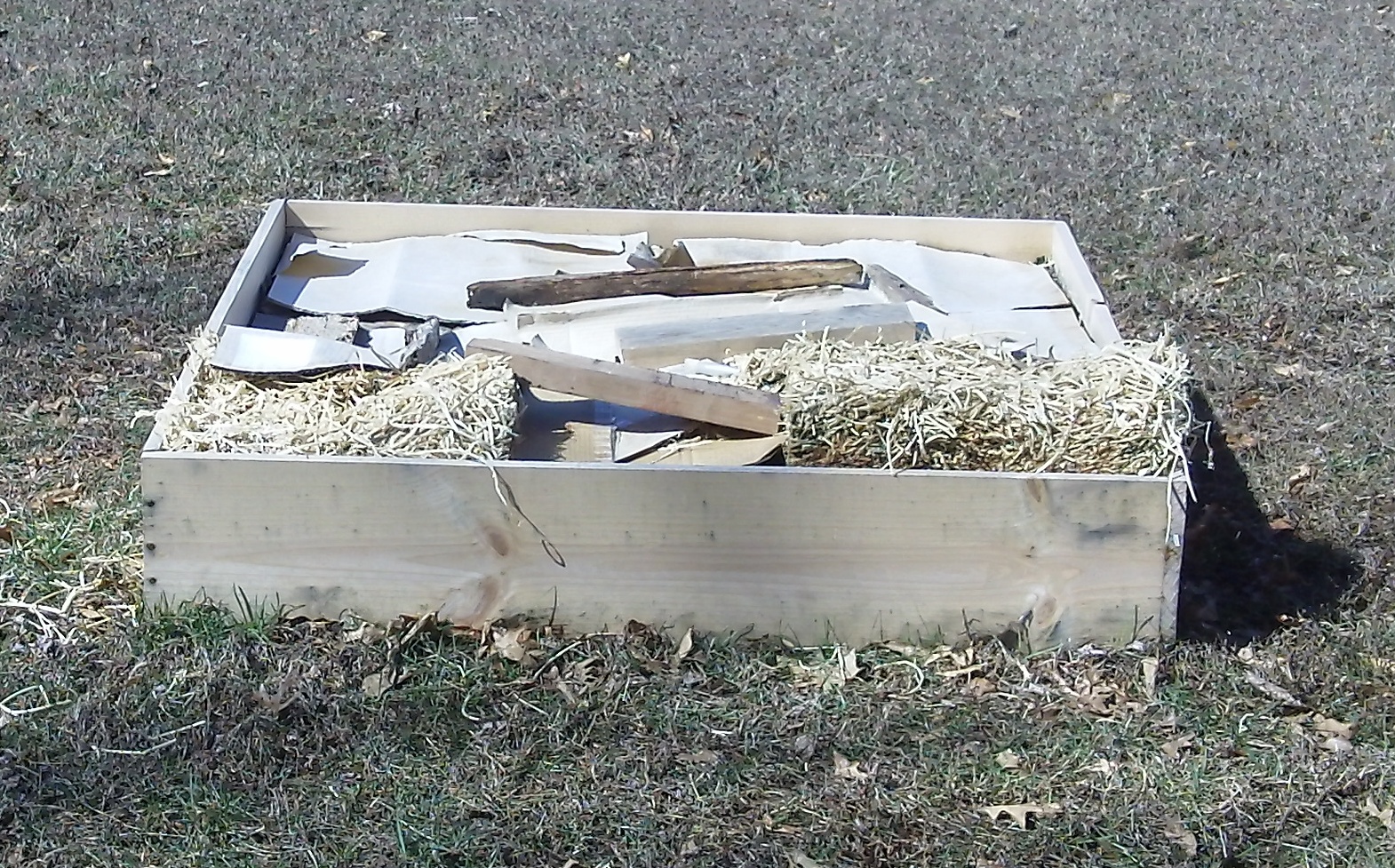
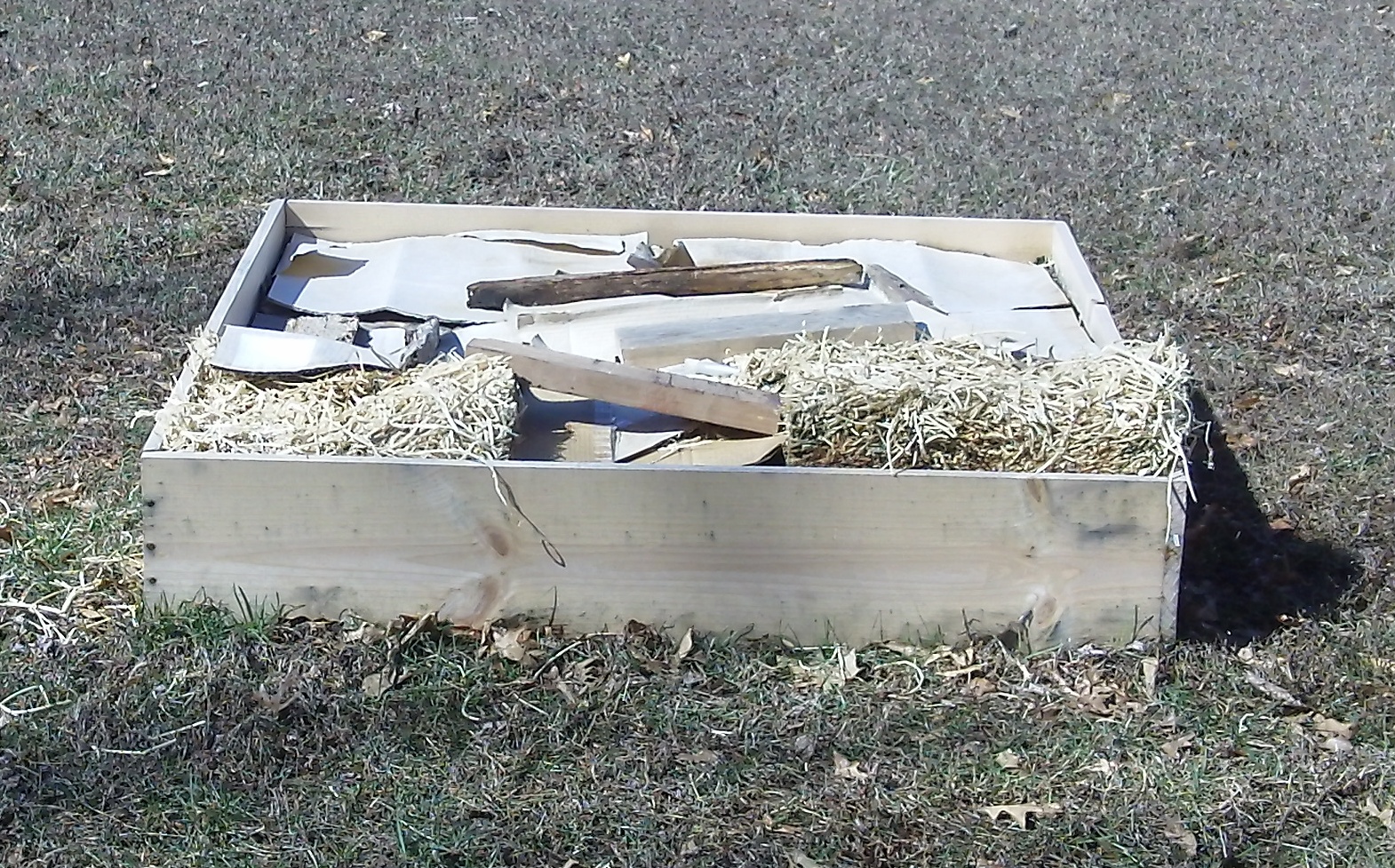
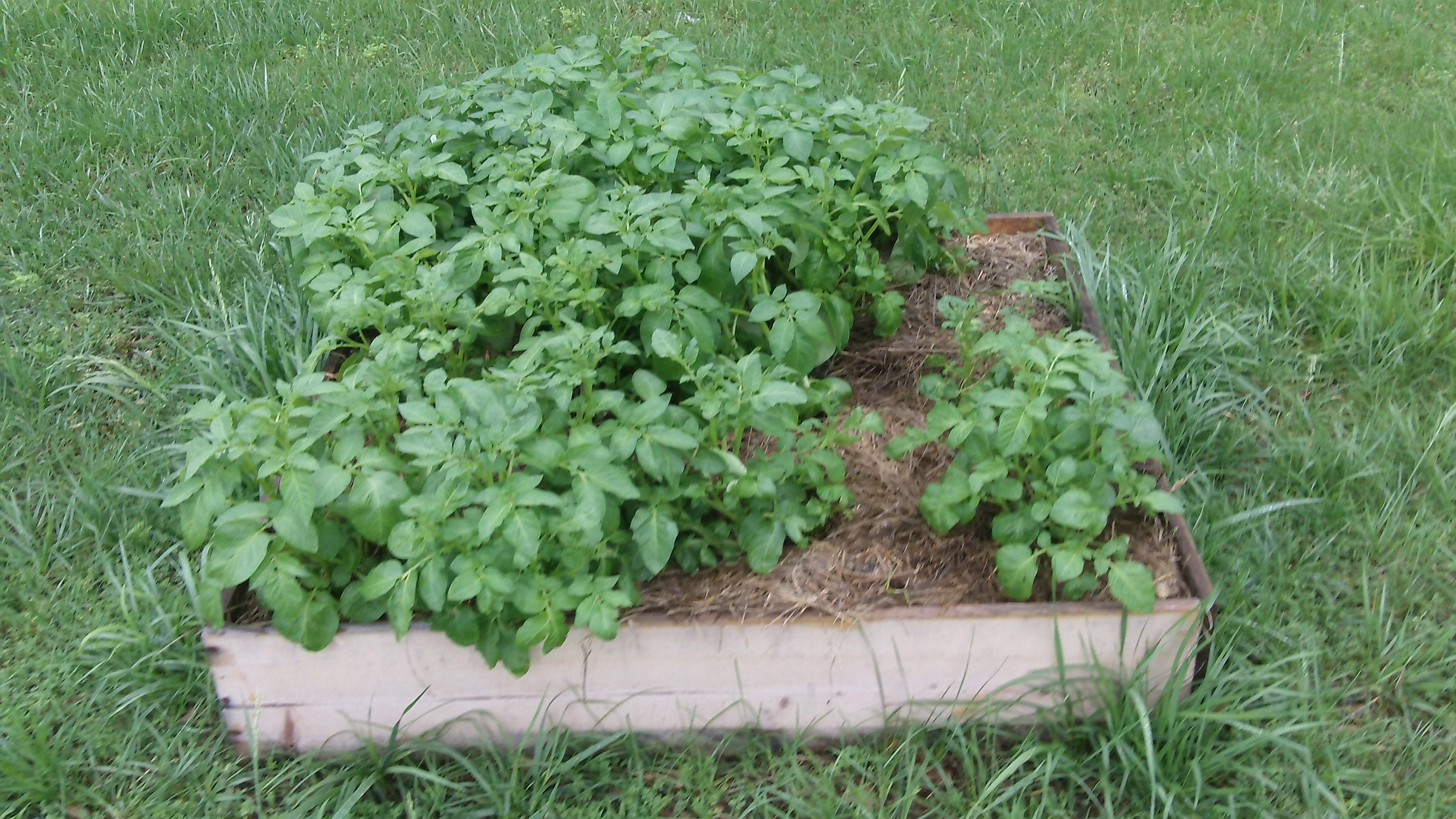
Soon I started covering the bed with cardboard. It didn’t fully break down into compost. However, it protected the soil and rotted sufficiently to be added to a barrel of compost in the making. In mid March I started peeling back the cardboard and replaced it with a thick layer of hay. Around the same time, I planted five Goldrush Russet potatoes held over from last year’s crop. In early April I planted Burbank Russets to fill out the bed.
I’ve put hay on top of all six beds to incorporate the Ruth Stout method. This calls for a thick layer of several inches of hay mulch. So far, potatoes, onions and beans are doing well in their respective beds.
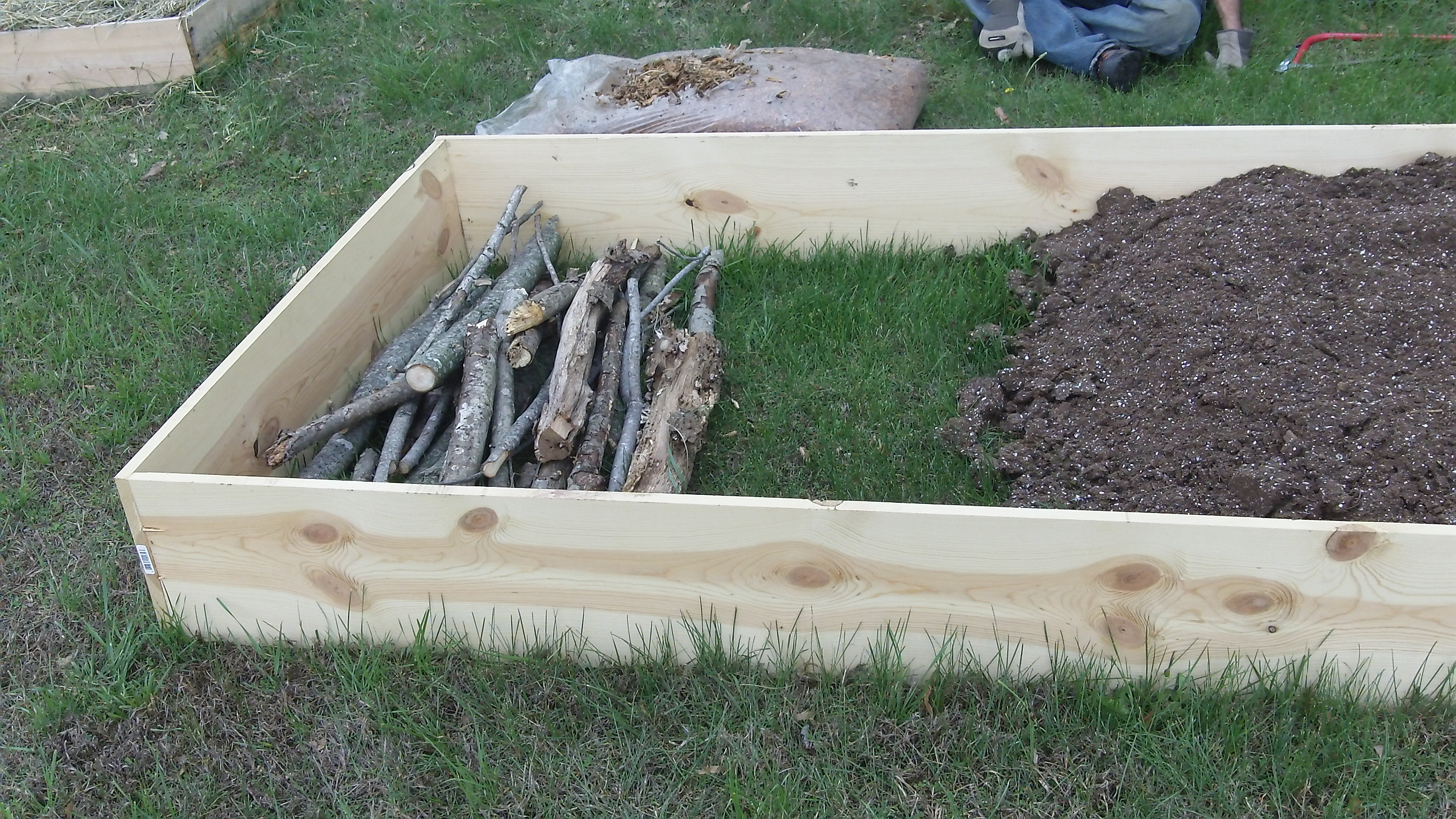
Bed #6 was built in early April and represents another experiment. Instead of seven bags of ProMix, we used six, along with a couple of bags of Buffaloam (manure), leaving room at one end for a mini Hugelkultur bed. Hugelkultur uses rotting wood for growing medium. We buried rotting branches with soil and wood mulch. It was then covered with hay like the other beds.
We gardeners thrive on experiments and anticipation. Naturally, I’m eager to harvest what I’m growing in my modified square foot beds. If you’ve got limited space or if you want to simplify your survival gardening, I highly recommend square foot gardening. Remember also to feed your soil since that will feed your plants, so they can feed you.
Photo captions:
01–Cardboard covers bed #3 in February.
02–One end of bed #6 contains the makings of a Hugelkultur bed.
03–Branches in bed #6 were covered with soil and wood mulch before a layer of hay covered the whole bed.
04–Potatoes grow well in bed #3 in early May, thanks to the addition of various products to foster growth of beneficial soil microbes.
Author Bio:
John Wesley Smith
John Wesley Smith is a former radio broadcaster who taught his children at home. He’s an avid reader, writer and gardener. He lives with his wife in central Missouri, where they work hard to get by like so many others these days. His goal is to help preppers atDestinySurvival.comas he continues along his own preparedness journey. John hosts DestinySurvival Radio on Thursday afternoons at 1:00 Central Time on the Preparedness Radio Network.