
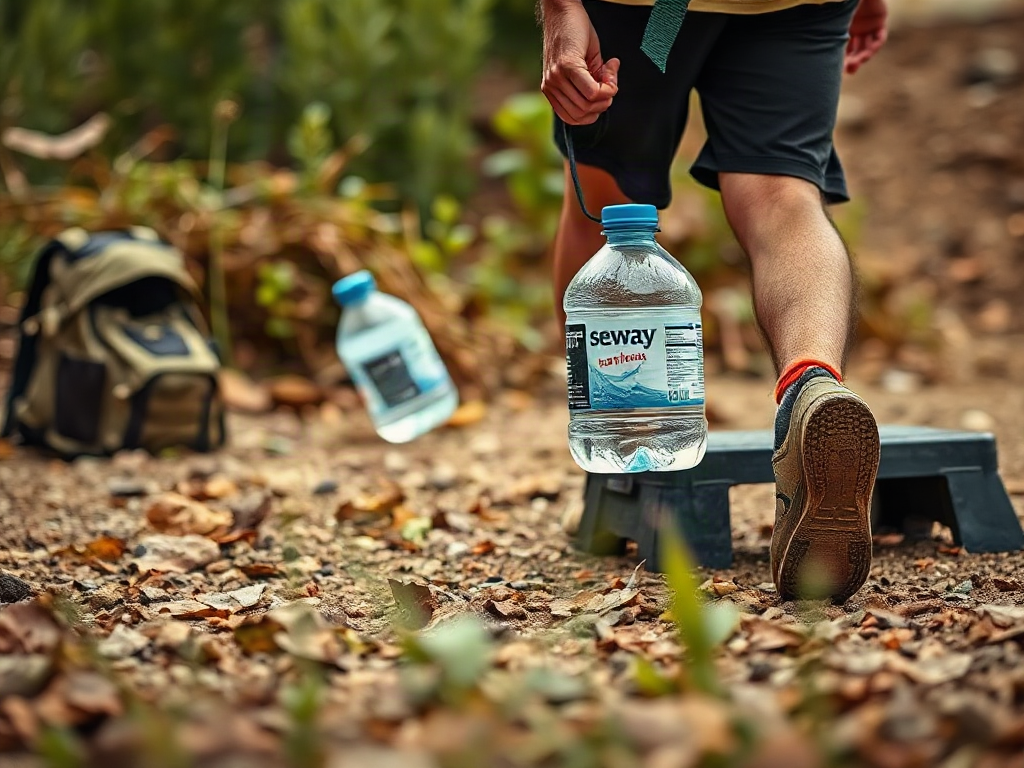
Movement-based self strengthening for emergency readiness builds the physical capacity to walk under load, rise from the ground, lift supplies, climb stairs, and work without exhausting one muscle group. Effective preparation combines loaded carries, squats or sit-to-stands, step-ups, pulling movements, and regular walking while preserving safe technique. Train with objects and conditions resembling likely tasks, but increase weight, distance, and complexity gradually rather than testing maximum effort. Readiness improves when movement remains controlled under moderate fatigue; recurring pain, dizziness, loss of balance, or prolonged recovery signals that the workload should be reduced and, when appropriate, discussed with a qualified health professional.
What you’ll learn
This guide covers the following practical points:
- Match Training to Emergency Physical Demands — Emergency exertion is usually uneven rather than athletic: a person may spend hours waiting, then suddenly need to move water, descend dark stairs, clear a path, or walk farther than expected.
- Prioritize Movements That Transfer to Real Tasks — A small set of movement patterns covers much of the physical work associated with disruptions.
- Build a Practical Readiness Training Session — A readiness session should rehearse useful work while leaving enough reserve for normal life and recovery.
- Measure Progress Without Training to Failure — Useful progress appears as better control, greater reserve, and easier recovery—not merely heavier loads.
Match Training to Emergency Physical Demands
Emergency exertion is usually uneven rather than athletic: a person may spend hours waiting, then suddenly need to move water, descend dark stairs, clear a path, or walk farther than expected. Training should therefore reflect repeated submaximal work, awkward objects, changes in direction, and imperfect footing—not a single impressive lift performed in a controlled room.
Start by identifying the physical demands in your own plans. Apartment residents may need to manage stairs while carrying a bag. Rural households may face longer walks, gates, uneven ground, or fuel and water containers. Caregivers may need enough leg and trunk strength to assist someone without attempting an unsafe solo transfer. The useful question is not how strong you appear, but which necessary task currently causes early fatigue, poor balance, or loss of control.
A simple task audit can reveal priorities. Walk the expected route without rushing, lift a partially filled supply container from floor to counter, sit on the floor and stand using stable support, and carry an appropriately light bag through a doorway. Stop if the test creates pain, dizziness, unusual shortness of breath, or instability. These are observations, not pass-or-fail challenges.
The common mistake is training only comfortable motions. Machine exercises or flat treadmill walking can contribute to general conditioning, but they may not expose difficulty with grip, stairs, ground recovery, or load placement. Specific practice should remain conservative: simulating a task does not justify unsafe loads, intentional sleep deprivation, heat stress, or training in hazardous surroundings.
Prioritize Movements That Transfer to Real Tasks
A small set of movement patterns covers much of the physical work associated with disruptions. Squatting supports lifting from low storage; stepping prepares the legs for curbs and stairs; carrying challenges grip and trunk control; pulling helps with doors, carts, and movable obstacles; and floor transitions preserve the ability to work low and rise again.
Choose a version that allows steady breathing and controlled alignment. A sit-to-stand from a firm chair may be more appropriate than a deep squat. Step-ups can begin on a low, stable platform with a handrail nearby. Carries can use two evenly loaded shopping bags before progressing to a single-sided load. A resistance band or cable row offers a manageable pulling pattern without requiring body-weight pull-ups.
- Lift: Move a light box from the floor or a raised surface while keeping it close to the body.
- Carry: Walk with bags, a backpack, or a water container that does not alter balance or posture.
- Step: Use stairs or a secure step while controlling both the ascent and descent.
- Recover from the floor: Practice kneeling, half-kneeling, and standing beside stable support.
- Pull and brace: Row resistance toward the torso without leaning backward or holding the breath.
Grip often becomes the limiting factor before the legs do, particularly with smooth containers or thin bag handles. The safer answer is not automatically heavier grip work. Better container handles, gloves suited to the task, smaller loads, or a cart may reduce the chance of dropping essential supplies. Physical capacity and equipment choices should complement each other.
Advanced-looking exercises are not inherently more useful. Jumping, unstable-surface drills, and maximum lifts add complexity or injury exposure that may not match the task. Progress first through cleaner movement, modestly longer work, and realistic but manageable objects.
Build a Practical Readiness Training Session
A readiness session should rehearse useful work while leaving enough reserve for normal life and recovery. Two or three brief sessions spread through the week may be more practical than one punishing workout, but frequency should reflect current conditioning, health constraints, and other activity. Regular walking can be trained separately or paired with light movement practice.
Begin with several minutes of easy walking and unloaded repetitions of the movements you intend to use. Then select four tasks: one leg movement, one carry, one pull, and one floor transition. Use a resistance that permits repeatable technique and stop a set before speed, posture, grip, or balance deteriorates. Rest enough to begin the next effort under control.
Illustrative session: An otherwise healthy beginner might perform chair sit-to-stands, low step-ups, short two-handed carries, band rows, and supported kneeling-to-standing practice. Rather than chasing a fixed repetition target, the person can end each set while a few controlled repetitions still feel possible. On another day, a comfortable walk with a lightly loaded day pack can test footwear, strap adjustment, and whether the load remains stable.
Add only one meaningful stressor at a time. Increase the carried weight slightly, extend the walking distance, add a set, or use a mildly less convenient object—but not all at once. This makes the cause of pain or excessive fatigue easier to identify. Loading a pack heavily while simultaneously increasing distance and adding hills hides which change exceeded current capacity.
Practice should occasionally include relevant transitions, such as lifting a container, carrying it a short distance, placing it securely, and climbing a few steps. Keep the setting controlled, well lit, and free of trip hazards. Emergency realism should come from task sequence and object handling, not manufactured danger.
Measure Progress Without Training to Failure
Useful progress appears as better control, greater reserve, and easier recovery—not merely heavier loads. A person who can carry the same supplies with steadier posture, fewer unscheduled stops, and no next-day joint pain has gained practical capacity even if the weight has not changed.
Record a few task-specific details: object weight when known, distance or stair count, number of controlled trips, footwear, perceived effort, and how you feel later that day and the following morning. Exact numbers are less important than consistent conditions. Comparing a stair session in cool indoor conditions with a loaded outdoor walk in heat provides little useful information.
| Observation | Likely Interpretation | Next Step |
|---|---|---|
| Stable technique and normal recovery | Current workload is manageable | Repeat it or increase one variable modestly |
| Grip fails before breathing or legs | Handles, load shape, or hand capacity may be limiting | Reduce the load and improve the carrying method |
| Posture or balance worsens during later rounds | Fatigue exceeds task control | Shorten the set, increase rest, or simplify the movement |
| Sharp pain, dizziness, chest discomfort, or unusual breathlessness | The session should not continue | Stop and seek appropriate medical guidance, urgently when symptoms warrant it |
A frequent failure mode is treating soreness as proof of readiness. Severe soreness can reduce mobility and interfere with household duties, while repeated joint pain may indicate unsuitable loading, technique, or exercise selection. Training is working when essential motions become more dependable without creating a recovery burden that disrupts the rest of the week.
People returning after inactivity, managing a medical condition, recovering from injury, or experiencing falls should seek individualized guidance before adding demanding loads or complex drills. No exercise program guarantees safe performance during an emergency; terrain, stress, weather, illness, and equipment can change the task abruptly. Adaptations such as wheeled carriers, smaller containers, staged supplies, and help from others remain part of sound readiness.
Frequently Asked Questions
How often should emergency-readiness strength work be practiced?
Two or three brief sessions per week may suit many people, provided the workload allows recovery. Current activity, health, age, and task intensity matter more than a universal schedule.
Do I need a gym to build practical emergency strength?
No. A sturdy chair, safe step, resistance band, backpack, and manageable household containers can support useful practice. Inspect improvised equipment and avoid unstable furniture or breakable loads.
Should I train while wearing my evacuation pack?
Yes, but begin with a light load and short, familiar route. Check footwear, strap fit, rubbing, posture, and balance before adding distance or weight.
Is cardio or strength more important for emergency readiness?
Both address different limits. Walking capacity supports sustained travel, while strength supports lifting, carrying, stairs, and floor recovery. Training should emphasize whichever likely task currently breaks down first.
When should I stop a readiness workout?
Stop for sharp pain, dizziness, chest discomfort, unusual breathlessness, sudden weakness, or loss of balance. Persistent or concerning symptoms warrant guidance from an appropriate health professional.
Conclusion
Physical readiness is most useful when it matches the loads, routes, stairs, containers, and assistance duties in an actual household plan. Prioritize controlled carries, stepping, lifting, pulling, walking, and floor recovery; then progress one variable at a time. Track movement quality and next-day recovery rather than chasing exhaustion. Test a few likely tasks conservatively, identify the weakest link, and adjust both training and equipment so essential work can be completed with reserve.
Additional Resources
Authoritative Sources
- American Red Cross Emergency Preparedness
redcross.orgPractical emergency preparation, safety, and supply guidance for households.