
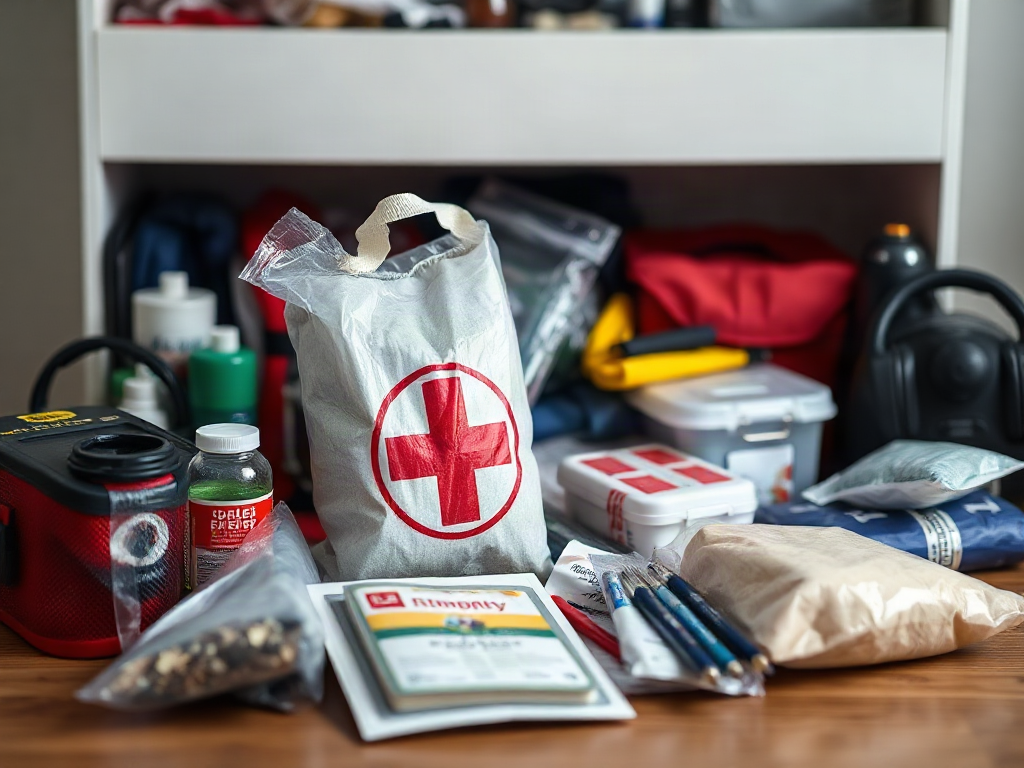
Illinois emergency preparedness kit requirements do not impose one universal, state-mandated supply list on every household, but residents should maintain emergency supplies suited to local hazards and individual needs. A practical kit includes water, shelf-stable food, medications, lighting, communication tools, sanitation items, documents, and weather-appropriate clothing. Store enough to manage a multiday power outage or delayed access to stores, while keeping a smaller portable set ready for evacuation. Employers, schools, childcare providers, healthcare facilities, and other regulated organizations may have separate planning or supply obligations, so household recommendations should not be mistaken for workplace or facility compliance rules.
What Illinois Actually Requires
Illinois does not publish a single mandatory household kit inventory that every resident must own. State emergency-management materials encourage personal readiness, but preparedness recommendations for private homes are different from enforceable rules governing particular workplaces, schools, childcare operations, healthcare settings, or licensed facilities. A resident should therefore treat a household supply list as practical risk management rather than proof of legal compliance.
That distinction matters when someone asks whether a kit is “required.” A family assembling water, food, flashlights, and medication is addressing its ability to function during an outage, severe storm, flood, or evacuation. A business evaluating compliance may instead need to examine fire codes, occupational safety duties, building rules, licensing standards, or an emergency action plan. Purchasing a commercially labeled survival kit does not establish that those separate obligations have been met.
Jurisdiction can change the answer as well. Municipal authorities, fire departments, building managers, employers, and program regulators may impose rules that do not apply statewide to all households. Apartment leases or workplace procedures can also identify assembly locations, shelter areas, or evacuation methods without dictating a personal supply inventory. Anyone responsible for an organization should verify the rules attached to that organization rather than relying on a general consumer article.
For household planning, the sound approach is to use official recommendations as a baseline and then account for the people, animals, climate, building, and transportation involved. The phrase Illinois emergency preparedness kit requirements should not be interpreted as a fixed shopping list that works equally well in Chicago, a rural township, or a flood-prone river community. The operational question is whether the household can communicate, stay warm or cool enough, manage essential health needs, and leave safely if services are interrupted.
A common mistake is equating “not universally mandated” with “not necessary.” Utility failures and transportation interruptions can restrict access to groceries, pharmacies, fuel, elevators, and electronic payments even when no evacuation order is issued. The practical standard is readiness for plausible disruptions, while the compliance standard must be checked with the agency or authority responsible for the specific property or operation.
Supplies That Belong in an Illinois Kit
A useful Illinois kit should preserve hydration, calories, communication, light, basic hygiene, and continuity of personal care. Each category needs a clear purpose. Water and ready-to-eat food cover interruptions to utilities and shopping; batteries and radios provide information when internet or cellular service is unreliable; medications and medical supplies address needs that cannot wait for stores to reopen.
Build the kit around functions rather than buying an opaque bundle. A preassembled kit may provide a flashlight, blanket, or first-aid components, but it rarely includes prescription medicine, properly sized clothing, infant supplies, pet equipment, spare eyeglasses, mobility-device accessories, or food a household member can safely eat. Open any commercial package, inspect its contents, and replace low-value duplicates with items matched to the users.
- Water and food: Potable water, nonperishable foods, a manual can opener when needed, and utensils. Choose foods that require little water or cooking.
- Health and sanitation: Prescription planning, first-aid supplies, masks, soap or sanitizer, toilet paper, menstrual products, and necessary medical-device supplies.
- Light and information: Flashlights or headlamps, spare batteries, a battery-powered or hand-crank radio, charging cables, and power banks.
- Protection and access: Seasonal clothing, sturdy footwear, blankets, work gloves, basic tools, cash in practical denominations, and copies of critical information.
- Household-specific items: Infant feeding supplies, pet food and carriers, hearing-aid batteries, communication aids, and backup power arrangements appropriate for essential devices.
Water deserves deliberate planning because it is heavy, takes space, and may be needed for drinking, limited food preparation, and certain care tasks. Official guidance commonly uses one gallon per person per day as a planning baseline, but individual consumption, heat, illness, pregnancy, pets, and sanitation needs can increase demand. Store only containers intended for water, protect them from contamination and temperature extremes, and follow the container or water provider’s instructions for replacement.
Medication planning has constraints that generic lists often ignore. Do not place medicines in a hot vehicle or stock extra prescriptions without consulting the prescriber, pharmacist, insurer, and applicable rules. Instead, maintain an updated medication list, understand refill timing, preserve required refrigeration where feasible, and identify backup contacts. A written list remains accessible when a phone battery dies.
The kit is working when every item has a user and purpose. It is failing when food cannot be opened, batteries do not match devices, family members cannot lift the bag, or essential supplies are scattered across inaccessible locations. Those checks make Illinois emergency preparedness kit requirements a usable household system rather than a one-time purchase.
How to Size and Store the Kit
Illinois households benefit from separating shelter-at-home supplies from evacuation supplies. A home reserve can hold more water, food, bedding, sanitation materials, and backup power than anyone could reasonably carry. A portable bag should emphasize identification, medicine, communication, immediate food and water, weather protection, and the items needed during the first stage of relocation.
Start by counting people and pets, then identify needs that occur daily or on a schedule. A household of four does not merely need four copies of a generic list. One member may use refrigerated medicine, another may need formula, and a dog may require a leash, carrier, records, and food. Document those dependencies before calculating quantities. The most consequential gap is often a personalized item that a retail kit could never anticipate.
Storage location affects whether supplies can be reached. Basement storage may be spacious but vulnerable to water intrusion. An attached garage offers quick access but may experience damaging temperature swings. An upper closet protects against some flood exposure but may be difficult to reach for a person with limited mobility. Use sealed, clearly labeled containers and divide critical items between sensible locations when one hazard could block access to all of them.
A practical arrangement uses three layers. Keep everyday necessities such as medicine, phones, and mobility aids integrated into daily routines. Maintain a portable bag near an exit without obstructing the route. Store the larger home reserve in a cool, dry, accessible place. Vehicle supplies can add warmth, visibility, and short-term support during winter travel, but a vehicle should not be the sole storage site for temperature-sensitive food, water containers, batteries, or medicine.
Documents require restraint as well as accessibility. Keep emergency contacts, insurance details, medication information, pet records, and identification copies protected from moisture. Avoid leaving unprotected sensitive records in a vehicle or an easily stolen bag. An encrypted digital backup may complement paper copies, but it should not be the only method because power, passwords, or network access may fail.
A common failure is creating one container that is too heavy to move. Test the loaded bag on the person expected to carry it, through the actual exit and to the likely transportation point. If it is unmanageable, remove low-priority gear, split shared supplies among capable household members, or use a wheeled container where terrain permits. A smaller bag that reaches the vehicle or shelter is more useful than a comprehensive cache left behind.
Illinois Hazards That Change the Contents
Illinois weather and geography make seasonal customization more valuable than a static kit. Severe thunderstorms, tornadoes, flooding, winter storms, extreme temperatures, and extended outages create different demands. The baseline supplies remain useful, but location and season determine what should be added, protected, or kept immediately accessible.
For a tornado warning, the first priority is reaching an appropriate shelter area quickly, not gathering equipment from several rooms. Keep sturdy shoes, a flashlight, weather information, basic first aid, and protective items in or beside the shelter location. Shoes matter because broken glass and debris may cover the route out. A basement kit should be stored above likely seepage and protected in a water-resistant container.
Flood preparation requires a different storage decision. Residents near rivers, low-lying roads, or drainage trouble should avoid placing all food, documents, power banks, and medicines at floor level. Evacuation routes may close before water reaches the home, so fuel planning, alerts, and early movement can matter more than adding another tool to a bag. Never treat emergency supplies as justification for entering or driving through floodwater.
Winter vehicle readiness emphasizes warmth and visibility. A blanket, layered clothing, hat, gloves, flashlight, phone power, scraper, and reflective warning equipment can be useful if travel stops. Food should be easy to eat without heating. Water needs protection against leakage and freezing damage. The safer comparison is not “car kit versus no car kit,” but a car kit combined with travel decisions based on forecasts, road conditions, fuel, and the vehicle’s condition.
Urban high-rise residents should plan for stairs, elevator loss, building communications, and limited carrying capacity. Rural households may face longer restoration times, greater driving distances, well-pump loss during an outage, and weaker cellular coverage. Someone relying on an electrically powered well needs stored water; someone in a high-rise may prioritize a lightweight evacuation load. The correct contents follow the consequences of the local disruption.
Seasonal review prevents yesterday’s solution from becoming tomorrow’s gap. Rotate cold-weather layers into the vehicle before winter, check cooling and hydration options before summer, and update shelter locations and alert settings during severe-weather seasons. The mistake to avoid is preparing for the most dramatic scenario while overlooking recurring power, travel, and communication failures.
Maintenance and Readiness Checks
An emergency kit remains dependable only when its contents are inspected, usable, and familiar to the household. Food ages, batteries discharge, clothing sizes change, prescriptions are updated, contact numbers become obsolete, and power banks lose charge. A sealed container that has not been opened for years offers uncertain readiness.
Set a recurring review tied to a memorable schedule and add an inspection after any use. Check package condition and manufacturer dates rather than assuming every product follows the same replacement period. Look for corrosion, swelling, leaks, moisture, pests, broken seals, or heat damage. Replace compromised items immediately and rotate suitable food into normal household use before quality declines.
Testing should cover actions, not merely inventory. Confirm that flashlights operate, radio reception is adequate, charging cables fit current devices, and everyone knows how to receive local alerts. Walk the primary exit, identify an alternate route, and verify where household members would reconnect if separated. If a person cannot locate the kit in darkness or open its closures, reorganize it.
Use a compact readiness check:
- Verify water, food, medicine planning, and sanitation supplies for current household members and pets.
- Charge power banks and test lights, radios, alarms, and compatible batteries.
- Update contacts, health information, meeting points, and document copies.
- Adjust clothing and hazard-specific supplies for the coming season.
- Lift or move each portable container and correct any access or weight problem.
Signs of a sound system include supplies that can be reached without searching, clear ownership of recurring checks, and equipment household members have actually tested. Warning signs include expired or unidentified items, a bag no one can carry, dependence on a single phone, and no accommodation for medicine, disability, pets, or seasonal exposure.
Household reviews do not replace organizational compliance assessments. A manager, provider, or operator should compare the applicable rules with the actual site, staff, occupants, and emergency procedures. For private residents, the better measure is whether Illinois emergency preparedness kit requirements have been translated into realistic supplies, accessible storage, and practiced decisions.
Frequently Asked Questions
Is an emergency preparedness kit legally required in every Illinois home?
No universal Illinois rule requires every private household to own the same kit. Official supply recommendations remain valuable, while regulated facilities and workplaces may face separate requirements.
How many days of supplies should an Illinois household store?
Plan for a multiday disruption and expand the reserve when space, budget, health needs, or local risks justify it. Follow current official guidance and size supplies for every person and pet.
Should water be kept in a vehicle kit?
A modest vehicle supply can be useful, but freezing and summer heat may damage containers or reduce reliability. Inspect it frequently and keep the main water reserve in protected home storage.
Does a commercial survival kit satisfy workplace rules?
Not necessarily. Workplace duties may involve plans, alarms, training, evacuation procedures, first aid, or site-specific equipment that a consumer kit does not address.
How often should emergency supplies be checked?
Use a recurring schedule, review the kit after any use, and inspect it when household needs or seasons change. Test devices and follow product dates and storage instructions.
Conclusion
Illinois residents should separate two questions: what improves household readiness and what a regulated organization must do to comply with applicable rules. For a home, prioritize safe water, usable food, medication continuity, communication, lighting, sanitation, weather protection, and individual needs. Divide supplies between an accessible home reserve and a portable evacuation load rather than forcing everything into one oversized bag.
Review the kit against the hazards that affect the actual location, including tornadoes, floods, winter travel, extreme temperatures, and power loss. Test equipment, update records, rotate aging items, and confirm that every person can reach or move what they need. Employers and facility operators should take the additional step of checking current requirements with the relevant state, local, licensing, fire, building, or occupational authority.