
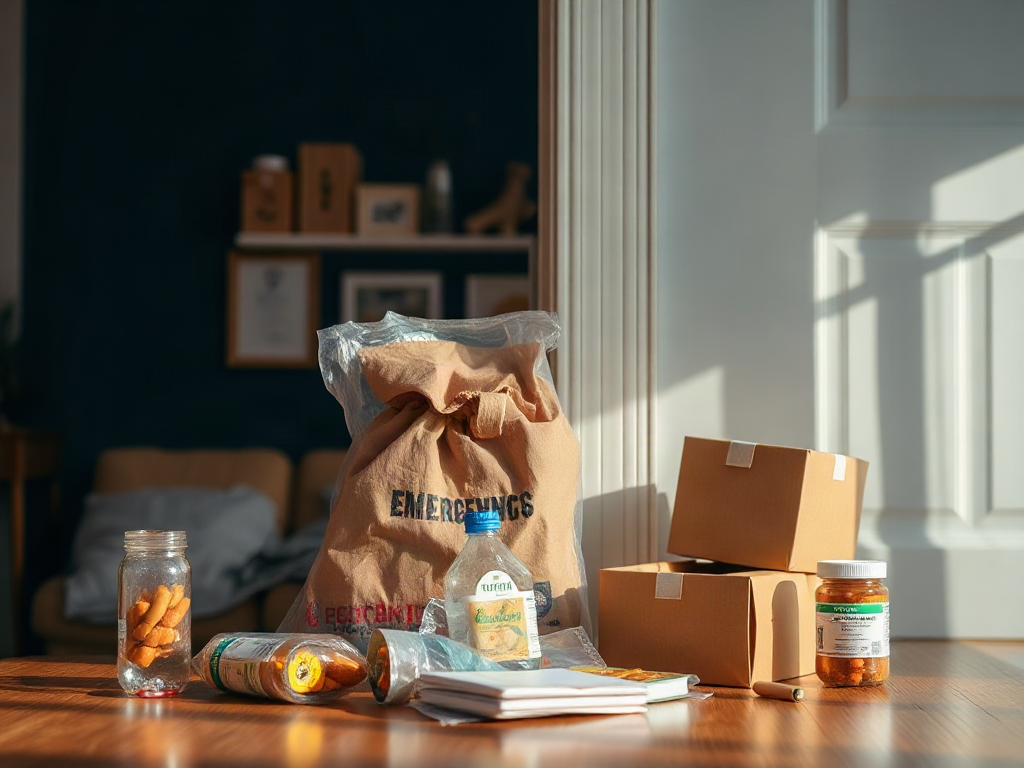
A useful emergency preparedness checklist for first-time planners should cover household risks, safe water and food, medications, lighting, communication, evacuation, and regular drills. Begin with the hazards most likely to affect your address, then build enough capacity to manage several days without normal utilities or immediate outside help. Store supplies where household members can reach them, keep essential documents and contact details available offline, and account for children, pets, disabilities, and temperature extremes. Test the plan by practicing a power outage or evacuation scenario; inaccessible equipment, expired supplies, and unclear responsibilities are signs that the checklist needs revision.
Identify the Emergencies Your Household Must Handle
A checklist becomes useful only after it reflects the hazards, people, and physical conditions at a specific address. A coastal household may need to prepare for evacuation and extended power loss, while an apartment resident in a cold climate may be more concerned about heating failure, blocked stairways, and limited storage. Begin by reviewing local emergency-management information, flood or wildfire exposure, typical weather disruptions, and the reliability of nearby roads and utilities.
Separate situations that require staying home from those that require leaving. A short water interruption may be manageable with stored water and sanitation supplies. A wildfire warning, gas leak, or official evacuation order may make departure the safer choice. Preparing only a large collection of household supplies creates a blind spot if those items cannot travel. Conversely, placing everything in a small evacuation bag can leave a household poorly equipped for several days at home.
Next, record the needs that cannot be replaced by a generic kit. These may include prescription medication, mobility equipment, infant formula, refrigerated medical products, pet carriers, hearing-aid batteries, eyeglasses, or electrically powered health devices. Note how long each essential item normally lasts and whether it depends on electricity, clean water, or a caregiver. Discuss medical contingencies with the appropriate clinician or equipment provider rather than improvising during an outage.
Use three planning questions for every likely event: What could become unsafe first? Which service might be unavailable? What decision would the household need to make? During a winter outage, for example, indoor temperature and carbon-monoxide risks may matter before food does. Fuel-burning grills, camp stoves, and generators must not be brought into a home, garage, or other enclosed area; equipment instructions and local safety guidance should govern placement and use.
A common first-time mistake is planning around dramatic disasters while ignoring ordinary disruptions. A broken water main, localized evacuation, prolonged outage, or road closure can expose the same weaknesses: no drinking water, phones with depleted batteries, inaccessible medication, or family members who do not know where to meet. The risk review behind an Emergency preparedness checklist for first-time planners should therefore prioritize consequences the household can address, not an exhaustive catalog of possible events.
Build the Core Supply Kit in Priority Order
Core supplies should preserve safe hydration, necessary medical routines, visibility, communication, sanitation, and protection from the local climate. Buying specialized equipment before covering those functions often produces an expensive kit with basic gaps. Build in layers: items needed during the first hours, resources for several days, and optional equipment that depends on skill, space, or a particular hazard.
Water deserves early attention because utility failure can affect drinking, cooking, hand hygiene, and medication use at the same time. Store commercially bottled water or appropriate containers intended for water storage, follow container and public-health guidance, and protect the supply from chemicals, heat, and contamination. Household requirements vary with climate, health, activity, and pets, so official guidance should be treated as a baseline rather than a perfect calculation for every person. Include a manual method for opening any sealed containers.
Food should be shelf-stable, familiar, and practical without normal cooking. Ready-to-eat canned foods, nut or seed butters, crackers, dried fruit, shelf-stable milk, and meals that match household dietary needs are generally more useful than unfamiliar emergency rations. Check whether foods require water, a can opener, refrigeration after opening, or more fuel than the household can safely use. Rotate emergency food into normal meals before quality declines instead of storing it indefinitely.
A compact first-pass checklist includes:
- Water and food: stored water, ready-to-eat foods, a manual can opener, and basic utensils.
- Health: first-aid materials, necessary medications, copies of prescriptions, hygiene products, and spare corrective lenses where applicable.
- Light and information: flashlights, suitable spare batteries, charging banks, and a battery-powered or hand-crank radio.
- Sanitation and protection: soap, waste bags, toilet paper, weather-appropriate clothing, sturdy footwear, work gloves, and appropriate face coverings for local hazards.
- Practical access: cash in modest denominations, keys, maps, pet supplies, and copies of essential documents.
Choose battery equipment carefully. Devices that share a battery size simplify replacement, but rechargeable equipment is useful only if a dependable charging method exists. Candles introduce an avoidable fire risk compared with flashlights and lanterns. A large generator may support selected appliances, yet it adds fuel storage, maintenance, noise, carbon-monoxide, and electrical-connection concerns. First-time planners are usually better served by reliable lighting and small-device charging before considering complex backup power.
Do not keep every item in one oversized container. Place immediate-use supplies such as shoes, flashlights, and glasses near sleeping areas; keep a portable departure kit near the normal exit; and store reserve food and water where temperature and weight are manageable. A kit is failing if household members cannot lift it, locate it in darkness, or reach it after one room becomes inaccessible.
Create Communication, Shelter, and Evacuation Plans
A household plan converts stored items into coordinated action. Write down how members will receive warnings, contact one another, shelter safely, leave the property, and reunite if normal routes or mobile networks are unavailable. Each person should understand the plan without relying on the individual who created it.
Select an out-of-area contact who can receive updates from separated household members. Local calls may be difficult during heavy network demand, and text messages may sometimes be easier to send than voice calls, although neither should be assumed to work. Put contact numbers, addresses, medical details, school information, and insurance contacts on paper. A phone that is lost, damaged, locked, or out of power should not contain the household’s only copy.
Set two meeting places: one close to home for a sudden building evacuation and another outside the immediate neighborhood if returning is unsafe. Map more than one route and identify how people without a vehicle would leave. Families with children should compare their plan with school or childcare release procedures. Pet owners should identify carriers, leashes, records, food, medication, and destinations that can accept animals rather than assuming every public shelter will do so.
Shelter decisions require the same specificity. Identify the safest available location for the hazards common to the area, but follow official instructions during an actual event. A room suitable for severe weather may not be appropriate during a chemical release, fire, or flood. Smoke alarms and carbon-monoxide alarms should be maintained according to their manufacturer instructions, and every resident should recognize their signals. People who rent should know the building exits and avoid depending on elevators during a fire or power failure.
Assign responsibilities with backups. One adult might collect medication while another secures pets, but the plan should still work when either person is absent. Children can carry a contact card or retrieve shoes, but they should not be assigned hazardous tasks. The same principle applies to neighbors who may need assistance: ask what support they want and agree on a method rather than making assumptions about disability, age, or medical needs.
Keep the written plan short enough to use under pressure. A practical Emergency preparedness checklist for first-time planners may include a one-page contact sheet, two route maps, departure triggers, and named responsibilities. Detailed background notes can remain elsewhere. If no one can quickly state where to go, whom to call, and what to carry, the plan is too complicated or has not been practiced.
Test, Store, and Maintain the Plan
Testing reveals whether a plan works under the conditions that disrupt normal routines. Begin with a low-risk exercise: turn off household lights for an evening without disabling safety systems, retrieve the kit, use stored lighting, locate contact information, and prepare a meal without the stove. A separate evacuation drill can test how long it takes to gather people, medication, mobility aids, and pets and reach the nearby meeting place.
Watch for friction rather than trying to stage a dramatic simulation. A flashlight may have corroded batteries. A pet may resist the carrier. A bag may be too heavy for its intended user. A power bank may not have the right cable. An emergency contact may have moved. Each failure provides a specific correction. The exercise is working when everyone can perform assigned tasks, critical items are accessible, and the household can make decisions without waiting for a single organizer.
Storage conditions affect reliability. Water containers, food, medication, batteries, and electronic equipment may have different temperature and moisture limits. Follow product labels, avoid areas exposed to fuel or household chemicals, and keep supplies protected from pests. Heavy water should be stored on stable shelving or at floor level where leakage is less likely to damage vital records. Secure equipment in earthquake-prone areas where falling shelves could create another hazard.
Create a recurring review tied to events the household already remembers, such as seasonal clock changes, school-term transitions, or insurance renewals. Check dates, packaging, battery condition, clothing sizes, medication arrangements, phone numbers, pet records, cash, and route changes. Replace consumed items immediately after an outage or drill. Also revisit the plan after a move, birth, new diagnosis, vehicle change, or shift in caregiving responsibilities.
A paper inventory reduces unnecessary buying. Mark each item as present, missing, expired, or needing practice. Keep notes about where supplies are stored and which family member can use specialized equipment. Skill-dependent tools do not add much resilience when no one can operate them safely. A basic radio that everyone understands can be more useful than sophisticated communications equipment that has never been charged or tested.
Maintenance should improve weak points rather than expand the collection endlessly. If the last drill showed that departure took too long, reorganize medication, documents, and pet equipment before buying more food. If stored water is inadequate, address that before adding comfort items. Revisit the Emergency preparedness checklist for first-time planners after every exercise so the document reflects observed conditions rather than assumptions.
Frequently Asked Questions
What should a first-time planner put in an emergency kit first?
Prioritize safe water, necessary medication, ready-to-eat food, flashlights, communication tools, sanitation supplies, suitable clothing, and paper contact information. Add specialized equipment only after these functions are covered.
How many days should household supplies cover?
Follow guidance from local emergency authorities and build toward several days of self-sufficiency. Increase capacity where outages, isolation, medical needs, severe weather, or delayed access to stores could extend disruption.
Should supplies go in one large bag?
No. Keep a portable evacuation kit, place immediate-use items near sleeping or living areas, and store heavier reserves securely. One oversized bag may be impossible to carry or inaccessible during an emergency.
How often should an emergency plan be reviewed?
Review it on a recurring schedule and whenever household circumstances change. Check contacts, routes, medications, food, water, batteries, clothing sizes, pet needs, and document copies after every drill or actual use.
What is the best way to test a new preparedness plan?
Run a short power-outage exercise and a separate evacuation drill. Confirm that everyone can find supplies, contact information, exits, meeting places, medication, mobility equipment, and pet gear without depending on one planner.
Conclusion
First-time planning works best when it addresses likely local disruptions before adding specialized equipment. Assess whether the household may need to shelter or leave, then protect the functions that become critical fastest: water, health needs, safe food, lighting, communication, sanitation, temperature protection, and mobility. Keep departure supplies portable, store heavier reserves safely, and give every household member clear responsibilities with a backup.
The next step is not another purchase. Conduct a simple drill, note what cannot be found or used, and correct those weaknesses in priority order. Repeat the review when seasons, addresses, health needs, pets, schools, or contact information change. A smaller plan that has been tested and maintained offers more practical value than an elaborate collection that nobody can locate, carry, or operate safely.