
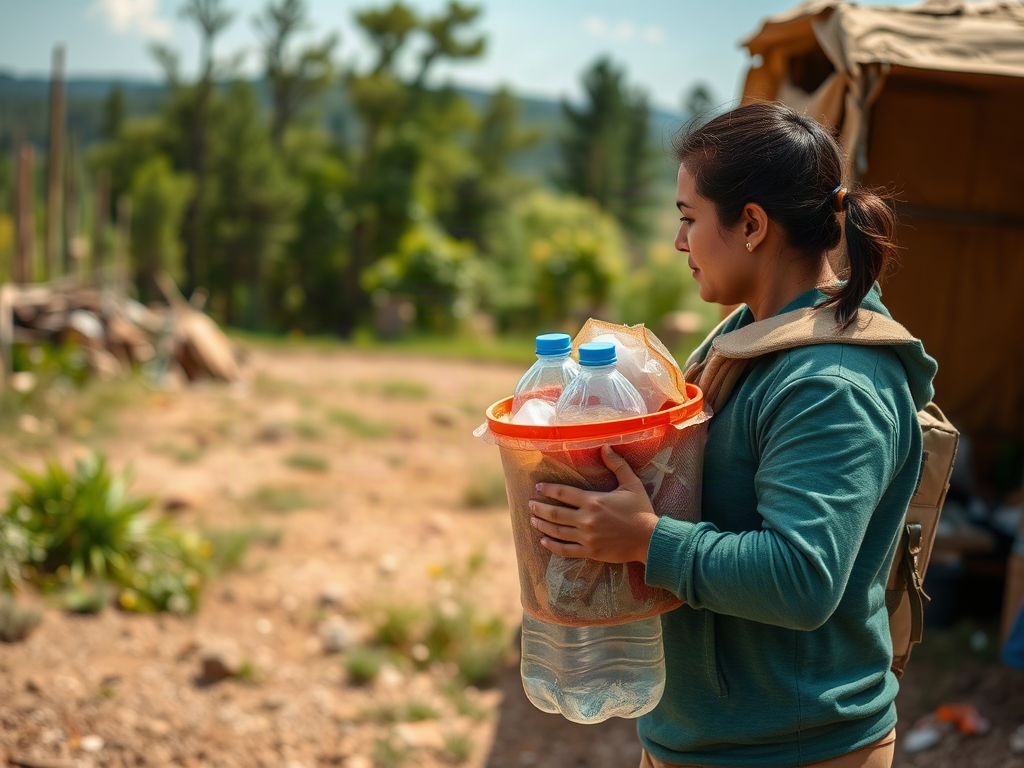
Physical preparedness for carrying and using supplies means developing the strength, balance, mobility, and endurance needed to move water, food, tools, and containers safely under real conditions. Useful preparation combines loaded walking, lifting from floor level, carrying with both hands and one hand, stair practice, and repeated use of the equipment you actually store. Gradual increases help expose weak grip, poor balance, limited shoulder mobility, or excessive fatigue before an emergency does. Training should also include safe lifting technique, footwear, hydration, rest, and adjustments for age or medical limitations. The goal is dependable task performance without turning a manageable supply job into a strain injury or preventable fall.
What you’ll learn
This guide covers the following practical points:
- What Physical Readiness for Supplies Actually Requires — Physical readiness for supply work is task-specific rather than a single measure of fitness.
- Strength and Movement Patterns for Real Loads — Supply handling depends most on controlled lower-body lifting, bracing, pulling, pressing, and gripping.
- Building Carrying Endurance Without Overtraining — Carrying endurance is the ability to repeat useful work while maintaining control.
- Practicing Safe Use of Stored Equipment — Physical preparedness includes using supplies, not merely transporting them.
What Physical Readiness for Supplies Actually Requires
Physical readiness for supply work is task-specific rather than a single measure of fitness. Carrying a case of bottled water, dragging a storage tote, opening a stiff valve, filling a bucket, and moving over uneven ground place different demands on the body. A person may have good cardiovascular fitness yet struggle with grip endurance, or lift a heavy object once but lack the balance to transport it safely across stairs.
The first step is to inventory the movements your supplies require. Note the approximate weight, size, handles, distance, height, and route involved. A compact water container may be heavy but easy to hold close to the body; a large sack of pet food may be lighter yet awkward because it blocks vision and shifts during movement. These differences affect whether you need more leg strength, shoulder control, trunk stability, grip endurance, or walking capacity.
Use the actual equipment when possible. Practicing with a gym dumbbell does not reveal that a storage bin has no comfortable handhold or that a jerry can swings into your knee. The Physical preparedness for carrying and using supplies process becomes more useful when training reflects the shape and handling demands of stored items.
A common mistake is preparing for maximum weight while ignoring repetition. Moving one container from a garage is different from carrying several loads, returning for more, and working while tired. Another error is treating pain, dizziness, numbness, or loss of balance as a normal part of readiness. Those signs indicate that the load, pace, technique, environment, or recovery plan needs adjustment.
Strength and Movement Patterns for Real Loads
Supply handling depends most on controlled lower-body lifting, bracing, pulling, pressing, and gripping. These patterns allow the legs and hips to share work that would otherwise be forced onto the lower back and shoulders. A practical routine can include sit-to-stand movements, hip hinges, step-ups, rows, wall or counter push-ups, loaded carries, and grip practice with manageable resistance.
Technique matters more than chasing a dramatic training weight. To lift a box from the floor, bring it close, place the feet securely, bend through the hips and knees, brace the trunk, and rise without twisting. Turning should happen with the feet rather than rotating under load. For a long container, test whether carrying it close to the torso is safer than holding it away from the body; the latter increases leverage against the back and arms.
Different loads call for different carry styles. Two-handed front carries can provide control but may restrict vision. A one-sided carry challenges balance and may be useful for a small container, though switching sides reduces uneven fatigue. A backpack leaves the hands free but transfers pressure to the shoulders and hips, making fit and load distribution decisive. No single method is best for every person or object.
For example, someone moving water from a basement may need step-ups and controlled stair practice more than faster jogging. Someone using hand tools during a prolonged outage may benefit from shoulder mobility, wrist endurance, and short bouts of repetitive work. Training only one exercise can hide a weak link: strong legs do not compensate for a grip that fails halfway through the route.
Begin with a load that allows clean repetitions and stable breathing. Increase one variable at a time: weight, distance, repetitions, terrain, or speed. If posture collapses, the container starts swinging, or the hands must be put down unexpectedly, reduce the demand rather than rehearsing poor mechanics.
Building Carrying Endurance Without Overtraining
Carrying endurance is the ability to repeat useful work while maintaining control. It combines walking capacity with local endurance in the hands, forearms, shoulders, trunk, and legs. A short loaded walk followed by a rest is often more relevant to household preparedness than an uninterrupted distance goal because real supply tasks include loading, setting items down, opening doors, and changing direction.
Start with ordinary walking and add a light, evenly distributed load. Choose a clear route, wear the footwear used for outdoor work, and practice stopping before fatigue changes your gait. Progress by adding a few minutes or a small amount of weight, not both at once. Recovery is part of the progression: persistent soreness, declining sleep, or weaker performance on ordinary tasks suggests that training is advancing too quickly.
Terrain changes the demand substantially. Grass, gravel, wet pavement, stairs, and narrow paths require more ankle control and attention than a flat indoor floor. A heavier load may be reasonable for a short, level transfer but unsafe on a slippery slope. Conversely, a lighter awkward object can be harder than a compact heavy one because it shifts the center of mass and interferes with sightlines.
Consider a household that stores water on a lower level and uses it upstairs. A useful rehearsal might involve moving a partially filled container over the actual route, placing it down safely, and returning without rushing. The goal is to identify whether the route, container size, lighting, or stair rail creates the greatest risk. Smaller containers may require more trips but can reduce fall and strain exposure.
Breathing and pacing provide useful feedback. Holding the breath during a lift can increase tension and make a person rush the next movement. Short pauses, deliberate turns, and setting loads down before form deteriorates generally outperform an attempt to finish every task continuously. People with cardiovascular, respiratory, joint, or balance concerns should obtain individualized medical guidance before adding loaded exercise.
Practicing Safe Use of Stored Equipment
Physical preparedness includes using supplies, not merely transporting them. Hand pumps, can openers, camp stoves, saws, axes, water filters, coolers, and fastening tools require coordination after repeated lifting. Familiarity reduces awkward experimentation, while physical practice reveals whether controls are too stiff, handles are poorly positioned, or the user cannot maintain a stable stance.
Practice one equipment task at a time under normal conditions. Place the item at a realistic height, assemble it according to its instructions, and note the reach, force, and body position required. A tool used from a crouch may tax the knees; a pump operated with one arm may cause the torso to twist; a large cooler may require two people even when its empty weight seems manageable. The solution may be relocation, a smaller unit, a hand truck, or a shared lifting plan rather than more exercise.
Work surfaces and routes deserve as much attention as muscles. Clear floor space, improve lighting, keep cords and loose packaging out of walkways, and avoid placing frequently used heavy items above shoulder height. Store dense supplies where they can be reached without climbing or excessive bending. The Physical preparedness for carrying and using supplies assessment should include the environment because a capable person can still be injured by a slick threshold or an unstable stack.
Two-person handling is appropriate when an object is bulky, blocks vision, shifts unexpectedly, or cannot be held close. Agree on who leads, where the load will go, and when it will be set down. A common misconception is that teamwork makes any object safe; poor communication can produce sudden turns or dropped weight. If the item has no secure grips, divide the contents or use a suitable cart instead.
Disposable gloves, stable footwear, and eye protection may be appropriate for certain tools or cleanup tasks, but protective equipment does not correct an oversized load or unsafe route. Equipment should make the movement easier to control, not encourage a person to exceed a sensible limit.
A Practical Readiness Test and Progression Plan
A simple readiness test should measure the tasks you expect to perform while preserving safe movement. Select several representative items, define the route, and record whether you can lift, carry, place, and use them without pain, breathlessness that does not settle, loss of balance, or deteriorating technique. Repeat the test occasionally after changes in storage, health, footwear, or equipment.
Use this compact checklist to find the weakest link:
- Lift: Can the item come from its stored height without twisting or rounding under strain?
- Carry: Can you maintain a steady pace and clear vision for the full route?
- Place: Can you set it down with control rather than dropping it?
- Use: Can you operate the equipment from a stable stance?
- Repeat: Can you complete another trip after a reasonable recovery pause?
Fix the highest-risk limitation first. If grip fails, use smaller containers and train carries. If stairs cause instability, improve lighting, clear the route, use a rail, and reduce load size before adding intensity. If the route is the problem, a cart or different storage location may produce a larger safety improvement than a stronger workout.
Beginner and experienced individuals should not use the same progression. A beginner may practice unloaded movement, then light household objects, while an experienced person can add varied terrain or repeated trips. Neither should test emergency capacity by exhaustion. Stop when control declines, and seek professional advice for persistent pain, significant medical conditions, or rehabilitation needs.
Keep a brief record of load, distance, repetitions, rest, and symptoms. Improvement looks like steadier handling, fewer pauses, cleaner lifting, and faster recovery—not simply a larger number on a scale. Recheck stored supplies after seasonal changes so physical capability, container choice, and placement remain matched.
Frequently Asked Questions
How heavy should a practice load be?
Use a load you can lift, carry, and place with stable posture and normal breathing. Increase weight only after the route and technique remain controlled.
Is walking with a loaded backpack enough?
No. A backpack develops one carrying pattern but does not fully prepare you for floor lifts, one-sided containers, stairs, pushing, pulling, or tool use.
Should supplies be stored in smaller containers?
Smaller containers may be preferable when large ones block vision, strain grip, or create stair hazards. They require more trips, so balance handling safety against time and storage space.
What signs mean I should stop training?
Stop for sharp or persistent pain, dizziness, chest symptoms, unusual shortness of breath, numbness, or worsening balance. Medical conditions may require individualized guidance.
How often should supply-handling skills be practiced?
Brief periodic rehearsals are useful, especially after changing containers or storage locations. Practice often enough to retain technique without allowing fatigue or soreness to accumulate.
Conclusion
Reliable supply handling comes from matching physical capacity to the actual objects, routes, and tools in a household. Assess lifting height, container shape, stairs, terrain, grip demands, and repeated trips instead of relying on a general fitness label. Build gradually with hinges, step-ups, carries, pulling, pushing, and walking, then rehearse the equipment under realistic but controlled conditions. Smaller containers, carts, better lighting, and improved storage may solve a risk more effectively than adding weight to a workout. Make clean technique and steady recovery the standard for progress. A short readiness test can reveal the limiting task now, giving you time to adjust both your body and your supply system before those demands arrive unexpectedly.