
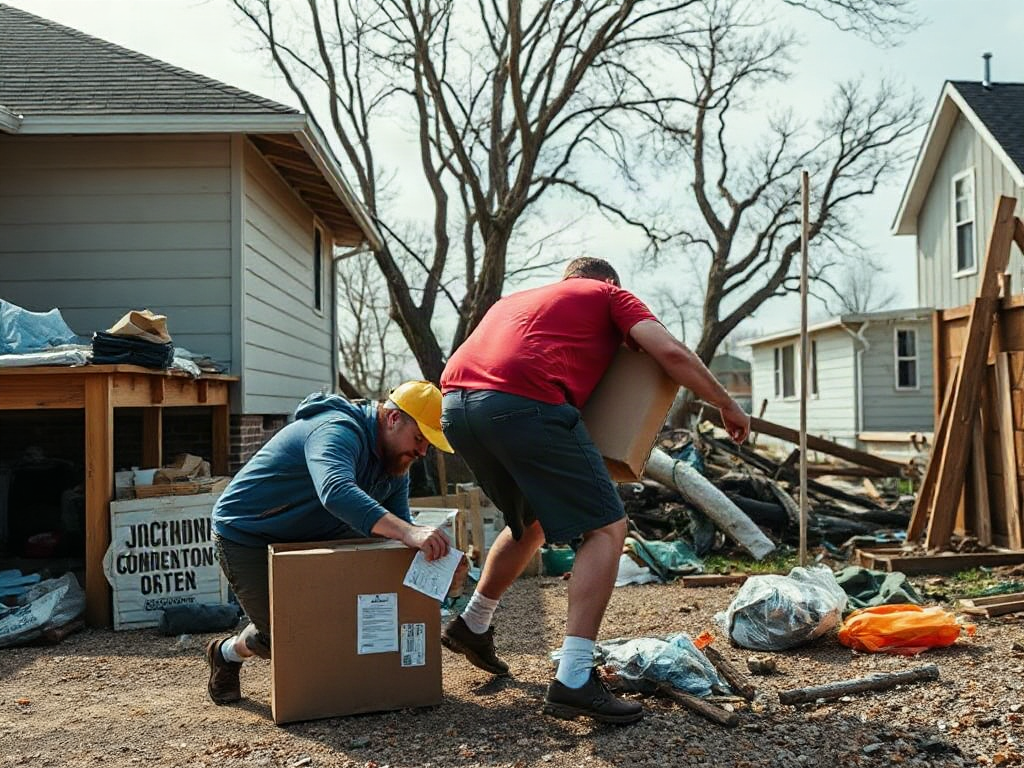
Before disaster, the preparation tasks people delay most often are storing usable water, documenting household contacts and medications, learning utility shutoffs, securing important records, and testing communication plans. Delay usually comes from tasks that feel administrative or inconvenient, yet those failures can become harder to correct when stores close, power fails, roads are blocked, or stress disrupts memory. Prioritize actions that protect basic needs and reduce dependence on outside help: assemble water and food, make copies of essential documents, confirm a meeting place, inspect backup lighting, and practice turning off gas, water, or electricity only when safe and appropriate. A small, tested arrangement is more reliable than an elaborate kit that no one can use.
What you’ll learn
This guide covers the following practical points:
- Why Practical Tasks Get Delayed — Delayed preparation usually involves work that is mundane, distributed across several rooms, or difficult to measure.
- The First Tasks to Finish — Water, basic food, light, and medication access should be addressed before specialized gear because they affect ordinary household functioning immediately.
- Household Information and Communication Gaps — Contact information and household instructions often fail because they exist only in one person’s phone.
- Testing, Maintenance, and Realistic Tradeoffs — Testing converts stored items into working capability.
Why Practical Tasks Get Delayed
Delayed preparation usually involves work that is mundane, distributed across several rooms, or difficult to measure. Buying a flashlight feels complete; checking its batteries, placing it where everyone can find it, and using it in a power outage are separate tasks. The same pattern applies to food, water, documents, medications, and household equipment. People often mistake possession for readiness.
Administrative work is especially easy to postpone because it has no visible payoff on an ordinary day. Updating an emergency contact sheet, recording insurance information, or locating the main water shutoff may take less than an hour, but each requires decisions and cooperation. A household with children, older adults, pets, mobility limitations, or prescription needs has more dependencies to account for than a single adult living alone.
A useful way to judge a delayed task is to ask what happens if it remains unfinished during a weekend outage. If the answer involves guessing, driving somewhere, searching through boxes, relying on a charged phone, or waiting for a neighbor, the task deserves a higher place on the list. Before disaster: the preparation tasks people delay is less about buying everything at once than removing these points of uncertainty.
Another misconception is that preparation must begin with a large, expensive purchase. A costly generator does not compensate for unknown fuel requirements, unsafe placement, missing extension cords, or a lack of maintenance. A modest battery lantern that is tested twice a year may be more useful during the first night. The tradeoff is simple: prioritize reliable functions before adding capacity or specialized equipment.
The First Tasks to Finish
Water, basic food, light, and medication access should be addressed before specialized gear because they affect ordinary household functioning immediately. Water storage needs a clean location, containers that are suitable for the purpose, and a rotation or inspection routine. Food should match what the household actually eats and can prepare without normal appliances. Shelf-stable foods that require several cups of water or long cooking may be a poor choice during an outage.
Medication planning requires more care than simply placing bottles in a kit. Record prescription names, doses, prescribing offices, allergies, and pharmacy details, then ask a pharmacist or clinician about appropriate backup arrangements. Do not alter dosing or stockpile medicine in ways that conflict with professional instructions. A printed list is useful when a phone is unavailable, but it must be updated whenever treatment changes.
Lighting and temperature deserve equal attention. Put working lights in sleeping areas, near exits, and where electrical panels or shutoffs can be reached safely. Keep spare batteries matched to the devices that use them rather than collecting loose cells with unknown charge. During cold weather, plan for layered clothing and a safe room arrangement; during heat, identify drinking water, shade, ventilation options, and anyone who may need closer observation.
Consider a household that has a pantry, bottled water, and several flashlights but keeps them in a locked basement. The supplies exist, yet a nighttime flood or damaged stairway may make them inaccessible. Moving a smaller working set to a reachable location can improve performance more than buying another case of supplies. Use this compact priority list:
- Water and foods that require little preparation.
- Prescription information, necessary medications, and basic first-aid items.
- Light, phone charging, and a battery or hand-powered radio if appropriate.
- Warmth or cooling measures suited to the season.
- Pet food, infant supplies, mobility aids, and other routine necessities.
Check whether each item is accessible, usable without special knowledge, and replaceable within the household budget. The goal is not theoretical completeness. It is a dependable first layer that buys time while larger problems are assessed.
Household Information and Communication Gaps
Contact information and household instructions often fail because they exist only in one person’s phone. Create a printed sheet with names, phone numbers, addresses, medical notes that the household chooses to share, school or care contacts, and an out-of-area contact when that arrangement makes sense. Store copies in more than one practical location, and protect sensitive information from unnecessary exposure.
Communication plans need decisions, not just numbers. Agree on where household members should meet if they cannot return home, who collects children, how pets are handled, and which messages should be sent first. A plan that says “we will call each other” is weak if the network is congested, phones lose power, or one person assumes another has already acted. Text messaging, voice calls, official alerts, and in-person contact may each work differently under pressure.
Important records are another commonly delayed task. Gather copies or secure digital backups of identification, insurance policies, property information, prescriptions, vehicle details, and financial account instructions. A backup should be accessible without the original device and protected with sensible privacy controls. Keep the collection focused; copying every household paper creates clutter and makes urgent information harder to find.
Run a short scenario rather than merely discussing the plan. Imagine that a storm warning arrives while one adult is at work, a child is at school, and the home has no internet. Who receives the first message? Where is the meeting point? Which document proves insurance coverage? Where are leashes, chargers, and medications? The awkward answers reveal more than a polished conversation.
Use Before disaster: the preparation tasks people delay as a prompt to include people who are often left out of planning. An older relative may need transportation rather than extra food. A tenant may not control building utilities. A person with hearing, vision, cognitive, or mobility needs may require a different alert method. The best arrangement reflects actual constraints instead of assuming every household member can improvise.
Testing, Maintenance, and Realistic Tradeoffs
Testing converts stored items into working capability. Turn on every lantern, inspect charging cables, check smoke and carbon monoxide alarms according to manufacturer instructions, and confirm that stored food is still acceptable and familiar. Replace damaged containers, expired batteries, and supplies that have been exposed to heat or moisture. A written inventory is helpful only if someone uses it during inspections.
Utility knowledge requires caution. Locate shutoffs for water and electricity and learn the relevant household procedure from the property owner, utility, or qualified professional. Gas service should not be manipulated casually; follow local guidance and avoid creating a hazard. Marking a valve is useful only when the marking is accurate and the person using it understands when action is appropriate.
Backup power presents a clear comparison between convenience and risk. A small power bank can keep phones available for a limited period, while a generator may support selected appliances but introduces fuel storage, carbon-monoxide, electrical, and weather-related concerns. Never operate fuel-burning equipment indoors, in a garage, or near openings where exhaust can enter. Read the manufacturer’s instructions and determine what the equipment can safely support before an outage.
Maintenance also exposes unrealistic assumptions. A freezer full of food may be valuable but cannot replace drinking water. A solar charger may perform poorly in heavy cloud or behind a window. A paper map is useful, but it does not show every temporary closure. A first-aid kit cannot substitute for medical training. These limitations do not make the items useless; they define where a backup is dependable and where another option is needed.
Schedule small checks rather than a single annual scramble. Link inspections to a recurring household event, such as the start of a season or a routine calendar reminder. Ask a second adult to locate and use the equipment without coaching. If the person cannot find the supplies, interpret the result as a layout or labeling failure, not a personal failure. Before disaster: the preparation tasks people delay should end in systems that work when the usual organizer is absent.
A Simple Order for Completing the Work
The fastest way to reduce delay is to divide the work into visible, finishable actions. Begin with a short household risk conversation: likely hazards, people and animals needing assistance, likely power or water interruptions, and places members may be separated. Then complete the tasks that protect the next day before researching advanced scenarios.
Use a four-pass process. In the first pass, gather immediate necessities and place them where they can be reached. In the second, write contacts, medication information, meeting instructions, and essential records. In the third, inspect equipment and learn safety procedures. In the fourth, run a brief test under realistic conditions, such as finding supplies in darkness or sending a message with the internet unavailable.
Budget and storage space may require choices. Renters may favor portable containers, printed instructions, and building-specific information over permanent modifications. People with limited funds can build gradually, choosing ordinary foods, refillable water containers, spare lighting, and document copies before purchasing expensive equipment. Households with more resources still need prioritization; abundance can hide disorganization.
Signs that the arrangement is working include every adult knowing where core supplies are, food being usable without unfamiliar preparation, contact details remaining current, and equipment passing a real test. Signs of failure include dead batteries, unlabeled containers, a single point of access, expired medication information, or instructions that depend on one person’s memory. Correct those defects before adding another category of gear.
Set one concrete next action for today and one inspection date. For example, gather water and light in one accessible location today, then schedule a document and communication review next month. Small completed tasks reduce the backlog more effectively than repeated research sessions that never change the household’s physical or informational readiness.
For hazard-specific instructions, consult official local emergency-management notices, utility guidance, public-health agencies, and manufacturer manuals for equipment you operate. Those sources can account for regional evacuation rules, weather conditions, building systems, medication questions, and safe use limits that a general article cannot determine.
Frequently Asked Questions
Which delayed task should a household do first?
Secure accessible drinking water, basic food, necessary medication information, and working light first. These needs affect the first hours of an outage and are often difficult to replace after stores close.
Why are printed records still useful?
Phones can lose power, service, or access to stored accounts. A current, privacy-conscious paper record can provide contacts, prescriptions, insurance details, and instructions when digital tools are unavailable.
How often should stored supplies be checked?
Use a recurring schedule suited to the item and the manufacturer’s instructions. Inspect batteries, chargers, food, water containers, medications, and seasonal clothing whenever conditions or household needs change.
Should renters learn utility shutoffs?
Renters should identify which controls they may safely use and obtain building-specific instructions from the landlord or property manager. Do not operate gas or electrical equipment without understanding the hazards and applicable guidance.
Is expensive equipment necessary for useful preparation?
No. Accessible water, familiar food, working lights, printed information, and a tested communication arrangement often provide more immediate value than specialized equipment that is difficult to maintain or use safely.
Conclusion
Delayed preparation becomes costly when a task depends on open stores, reliable power, clear roads, or one person’s memory. Finish the basic layer first: accessible water, familiar food, medication information, lighting, seasonal protection, household contacts, and essential records. Then test the arrangement rather than assuming that purchased items will work. Pay special attention to accessibility, pets, renters, children, and anyone who needs transportation or regular treatment. Expensive equipment can be useful, but only after its operating limits and safety requirements are understood. Choose one physical task and one information task, complete both, and put the next inspection on the calendar. Readiness grows through maintained systems, not through an ever-expanding pile of supplies.
Additional Resources
Authoritative Sources
- The Power of Preparedness
blog.response.restoration.noaa.govPreparedness is about communication and building relationships with people around you before disaster strikes. Take a moment, close your eyes, ...
- American Red Cross Emergency Preparedness
redcross.orgPractical emergency preparation, safety, and supply guidance for households.
- Impact of Natural Disasters on Mental Health - PMC - NIH
pmc.ncbi.nlm.nih.govNearly one-third of disaster-affected people may experience a negative mental health consequence such as post-traumatic stress disorder (PTSD), anxiety, ...