
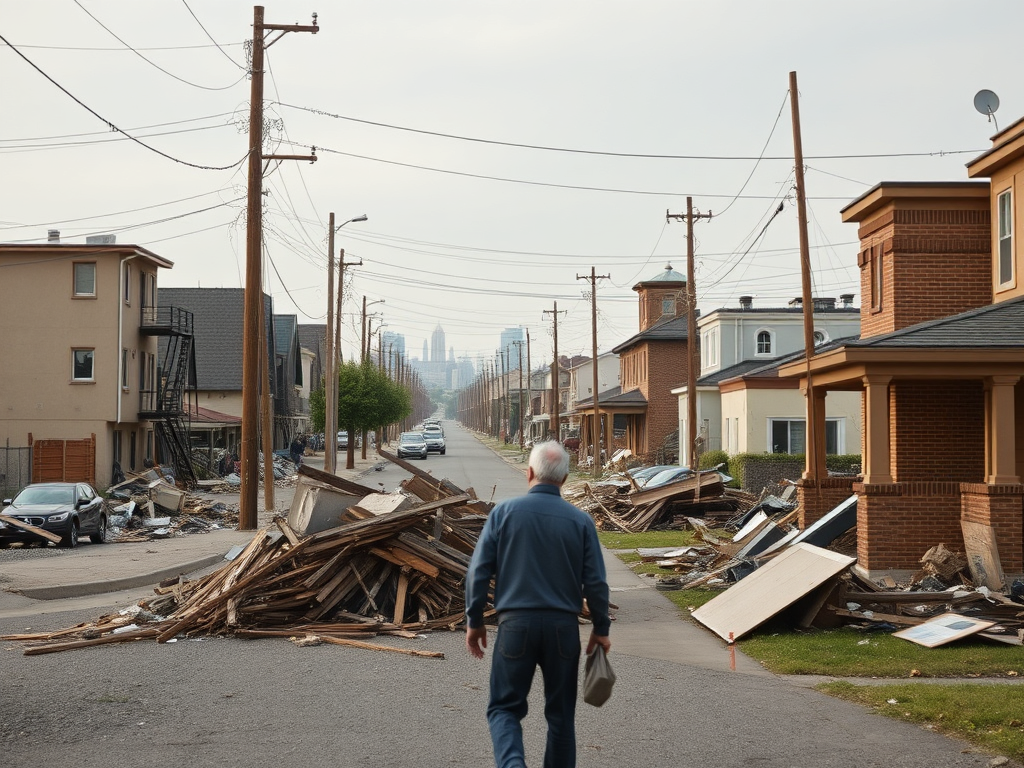
To prepare for financial impacts of disasters, create a comprehensive emergency fund, evaluate insurance coverage, and develop a recovery plan that includes budgeting for unexpected expenses. These steps ensure you are financially equipped to handle the aftermath of a disaster, minimizing economic strain and facilitating a quicker recovery process. Prioritize understanding the potential costs associated with different types of disasters and adapt your financial strategies accordingly.
Understanding Financial Vulnerabilities in Disasters
Preparing for financial impacts of disasters begins with identifying and understanding your vulnerabilities. Disasters can lead to loss of income, damage to property, and unexpected expenses that strain your finances. Recognizing these vulnerabilities is critical for effective planning. For instance, during natural disasters, individuals may face costs from evacuation, temporary housing, and repairs that can quickly add up. A common misconception is that government assistance will cover all losses; however, many find that aid is insufficient or delayed, leading to financial strain.
To accurately assess your vulnerabilities, consider creating a risk profile based on your location and personal circumstances. For example, if you live in a flood-prone area, you may need to prepare for more significant property damage and associated costs. Understanding local risks will help prioritize your financial preparations and ensure you allocate resources effectively.
Creating an Emergency Fund
Establishing an emergency fund is a foundational step in preparing for financial impacts of disasters. This fund should ideally cover three to six months of living expenses, allowing you to manage costs without incurring debt during emergencies. The purpose of this fund is to provide a financial buffer that can help you navigate the immediate aftermath of a disaster.
To build your emergency fund, start by setting a monthly savings goal based on your budget. Consider automating transfers to your savings account to ensure consistent contributions. Additionally, review your expenses to identify areas where you can cut back temporarily in order to accelerate your savings.
It’s essential to keep these funds in a separate, easily accessible account to ensure they remain untouched during regular spending. A common mistake is to mix emergency funds with everyday savings, which can lead to depletion during non-emergency situations.
Assessing and Adjusting Insurance Coverage
Insurance is a critical component of financial disaster preparedness. Evaluating your current coverage can help identify gaps that could leave you vulnerable during a disaster. Begin by reviewing your homeowner’s or renter’s insurance policy to ensure it adequately covers potential risks specific to your area, such as floods, earthquakes, or wildfires.
Many people overlook the importance of additional coverage options like flood insurance or business interruption insurance. These policies can provide financial protection against losses not covered by standard policies. For instance, if your business is forced to close due to a disaster, business interruption insurance can help cover lost income and ongoing expenses.
Regularly updating your policy is crucial as well. Changes in property value, renovations, or new assets should prompt a policy review to ensure you remain adequately covered. Failing to adjust coverage can lead to significant out-of-pocket expenses during a disaster.
Developing a Comprehensive Recovery Plan
A recovery plan outlines the steps needed to regain financial stability after a disaster. This plan should include budgeting for unexpected expenses and a strategy for rebuilding your financial life. Start by listing potential expenses you might incur during recovery, such as temporary housing, repairs, and lost income, and assign estimated costs to each category.
Incorporate contingency plans for various scenarios based on the type of disaster you might face. For example, if a significant storm is likely, plan for evacuation costs and temporary relocation. Communicating this plan with family members ensures everyone understands their roles and responsibilities during a crisis.
Additionally, consider seeking professional advice from financial planners or disaster recovery experts who can provide tailored guidance based on your specific situation. Their expertise can help you navigate complex recovery processes, ensuring you make informed decisions that support your financial resilience.
Understanding how to prepare for financial impacts of disasters is crucial for safeguarding your economic future. For additional resources, consider checking local government websites, disaster recovery organizations, or financial planning resources that focus on emergency preparedness.
Frequently Asked Questions
What are the first steps to financially prepare for a disaster?
The first steps include creating an emergency fund, assessing insurance coverage, and developing a recovery plan that outlines potential expenses and strategies.
How much should I have in my emergency fund?
Your emergency fund should ideally cover three to six months of living expenses to provide a financial buffer during disasters.
What types of insurance should I consider for disaster preparedness?
You should consider homeowners or renters insurance, flood insurance, and business interruption insurance, depending on your specific risks.
How can I assess my financial vulnerabilities?
Assess your financial vulnerabilities by creating a risk profile based on your location, assets, and potential disaster impacts to prioritize your preparations.
What should a recovery plan include?
A recovery plan should include a budget for unexpected expenses, a strategy for rebuilding, and contingency plans for various disaster scenarios.
Additional Resources
Authoritative Sources
- American Red Cross Emergency Preparedness
redcross.orgPractical emergency preparation, safety, and supply guidance for households.