
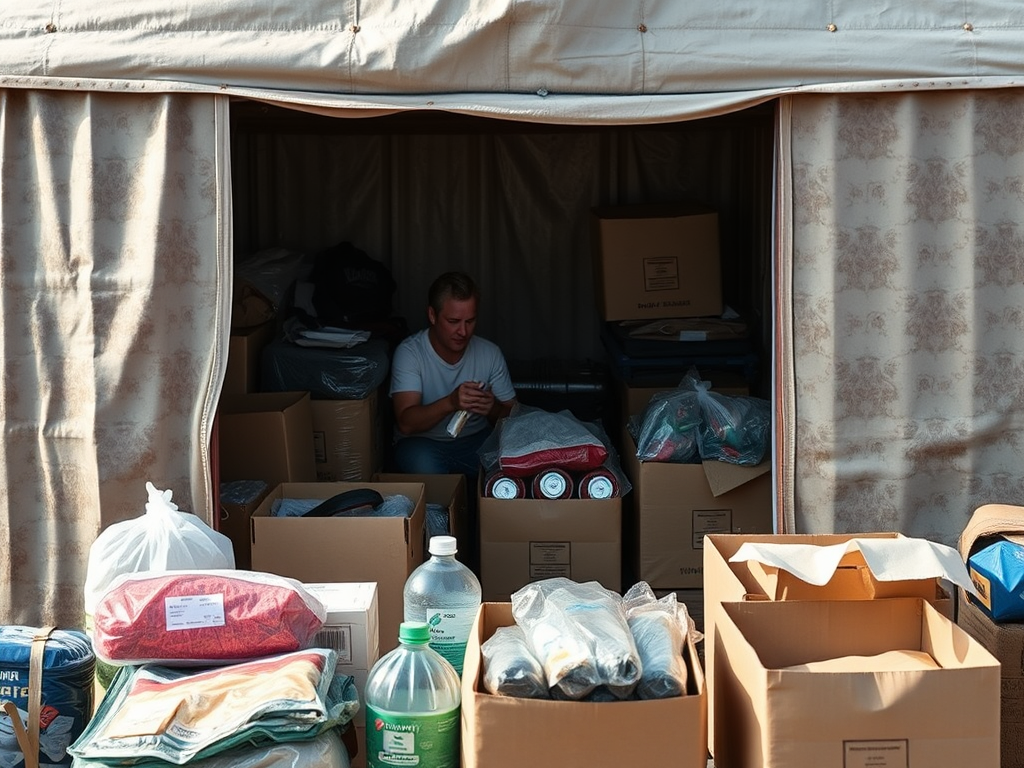
Managing resources effectively during a prolonged emergency involves careful planning, prioritizing essential supplies, and implementing sustainable practices. Begin by assessing your immediate needs for food, water, and medical supplies, while also considering long-term sustainability through methods like rainwater collection and food preservation. Regular inventory checks and community resource sharing can enhance your resilience, ensuring you and your family remain safe and secure throughout the emergency.
Assessing Your Resource Needs
To manage resources effectively during a prolonged emergency, the first step involves a thorough assessment of your immediate and long-term needs. Start by inventorying your current supplies, including food, water, medical essentials, and any other critical items. Understanding your baseline allows you to identify gaps and prioritize what is necessary for survival.
Consider factors such as the number of people in your household, dietary requirements, and any medical conditions that may necessitate specific supplies. For instance, families with young children or elderly members may require additional nutritional items and medications. Take into account the duration of the emergency; for longer crises, you will need to focus not only on immediate supplies but also on sustainable practices to extend your resources.
Additionally, keep in mind that resources can be affected by external factors such as supply chain disruptions. Therefore, it is crucial to remain flexible and adaptive in your planning. Regularly review your inventory, and be prepared to adjust your resource management strategies as conditions change.
Food and Water Management Strategies
Effective food and water management is critical during any prolonged emergency. Begin by determining how much water your household requires daily. The general guideline is one gallon per person per day for drinking and sanitation. For a family of four over a week, this translates to 28 gallons. Consider storing water in clean containers and utilizing purification tablets or filters to ensure safety.
Food, focus on non-perishable items that are nutrient-dense and easy to prepare. Canned goods, dried beans, rice, and pasta are excellent options. Aim for a balanced selection that includes proteins, carbohydrates, fats, and vitamins. A common mistake is to stockpile only items that are easy to eat, like snacks, while neglecting essential nutrients.
Moreover, consider implementing food preservation techniques such as canning, dehydrating, or freezing to extend the shelf life of fresh produce. Gardening can also be a valuable skill during an emergency; growing your own food can supplement your supplies and provide a sustainable food source.
Lastly, keep track of expiration dates and rotate your supplies regularly to prevent waste. Create a meal plan that utilizes the items in your stockpile, ensuring you consume older products first.
Medical Supplies and First Aid Preparedness
Having a well-stocked medical supply kit is vital for managing health needs during an emergency. Start by assembling a comprehensive first aid kit that includes bandages, antiseptics, pain relievers, and any prescription medications required by household members. Remember to check the expiration dates of medications regularly, replacing them as needed to ensure they remain effective.
In addition to basic supplies, consider including items that address specific health concerns within your household. For example, if someone has allergies, antihistamines should be part of your kit. Moreover, familiarize yourself with basic first aid procedures, as knowledge can be just as crucial as having the right supplies.
Another aspect to consider is mental health. Prolonged emergencies can lead to increased stress and anxiety. Stocking resources such as books, games, or activities can help maintain morale and provide distractions during tough times. It’s also beneficial to stay connected with friends and family for emotional support.
Community Resources and Support Systems
During a prolonged emergency, community resources can play a significant role in resource management. Building a network of neighbors and local organizations can provide essential support, whether through shared resources or assistance in times of need. Establishing communication with community members allows for resource sharing, such as food, tools, or skills, which can enhance resilience.
Consider joining local preparedness groups or online forums where individuals share information, tips, and resources. Many communities have programs for food banks, medical assistance, or emergency preparedness workshops that can be invaluable. By pooling resources and knowledge, you can create a stronger support system that benefits everyone involved.
Another key point is to stay informed about local emergency services and resources available in your area. Knowing where to access help can save critical time and provide peace of mind during challenging situations.
Frequently Asked Questions
How can I ensure my food supplies last longer?
To ensure food supplies last longer, store items in a cool, dry place, use proper sealing techniques, and rotate your stock regularly to consume older items first.
What should I include in a medical supply kit?
A medical supply kit should include bandages, antiseptics, pain relievers, prescription medications, and any specific items needed for chronic conditions.
How can my community help during an emergency?
Your community can offer support through shared resources, local emergency services, and organized preparedness programs that enhance collective resilience.
What steps can I take to prepare for mental health challenges during an emergency?
To prepare for mental health challenges, include activities for relaxation and entertainment in your supplies, and maintain connections with friends and family for emotional support.
Conclusion
Effectively managing resources during a prolonged emergency requires careful planning, continuous assessment, and community engagement. Start by thoroughly evaluating your needs and stockpiling essential supplies such as food, water, and medical items. Implement sustainable practices to prolong your resources, and do not underestimate the power of community support. By prioritizing these strategies, you can enhance your resilience and ensure the safety and well-being of your household in challenging times.