
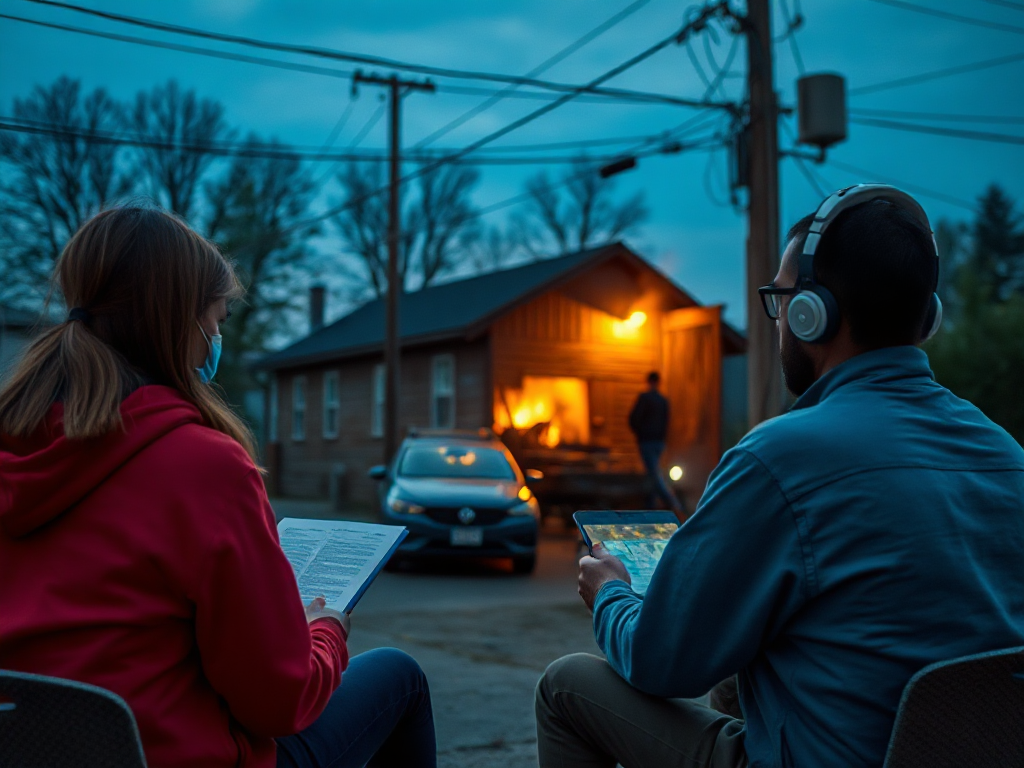
To stay informed during a crisis without power, utilize battery-operated radios, community bulletin boards, and mobile phone text alerts. These methods ensure access to timely updates and essential information. It's crucial to have a plan for communication and to know local resources, such as emergency services and shelters, which can provide guidance throughout a crisis. Prioritize maintaining battery life for devices and consider alternative power sources like solar chargers.
Understanding the Importance of Staying Informed
Staying informed during a crisis is vital for personal safety and community well-being. When traditional power sources fail, access to real-time information becomes challenging yet essential. Having reliable information helps individuals make informed decisions, avoid dangerous situations, and respond effectively to emergencies. Understanding the potential consequences of misinformation or lack of information can motivate preparedness and resourcefulness during crises.
Moreover, during emergencies, misinformation can spread rapidly, leading to panic and poor decision-making. By prioritizing accurate and timely information, individuals can navigate crises with greater confidence and clarity. The need for effective communication strategies becomes paramount, especially when usual channels are disrupted.
Effective Communication Methods Without Power
When power is out, consider alternative methods to access information. Battery-operated or hand-crank radios are invaluable tools for receiving emergency broadcasts and updates from local authorities. These devices can often run for extended periods without power, making them a reliable choice during outages.
Mobile phones can still play a role in staying informed, particularly through text alerts. Many local governments and organizations offer SMS updates for emergencies. Ensure your phone is charged before a crisis, and consider carrying a portable charger. However, be aware that network congestion can occur during emergencies, leading to delays in receiving messages.
Another effective method is to establish a communication plan with family and friends. Designate specific points of contact and agree on how to relay information during a crisis. This approach can help ensure everyone stays informed, even if traditional communication methods fail.
Utilizing Community Resources
Community resources play a crucial role in disseminating information during a crisis. Local bulletin boards, community centers, and libraries often provide updates and resources during emergencies. Participating in community preparedness programs can also enhance your understanding of local resources and response strategies.
Additionally, local authorities often set up emergency hotlines or information centers to share critical updates. Familiarize yourself with these resources before a crisis occurs, ensuring you know where to go for reliable information when needed. Engaging with neighbors and community members can also facilitate information sharing, creating a support network that enhances safety and awareness.
Preparing for Information Access
Preparation is key to staying informed during crises. Start by gathering essential tools, such as a battery-operated radio, flashlights, and extra batteries. Create an emergency kit that includes a communication plan, important documents, and a list of local resources. Having these items ready can make a significant difference when power is lost.
Additionally, consider investing in solar chargers or hand-crank devices that can power small electronics during outages. These tools can help maintain communication with family and emergency services when traditional power sources are unavailable.
Regularly review and update your emergency plan, ensuring that everyone in your household understands their roles and responsibilities. Conduct drills to practice your communication strategy, which can enhance preparedness and confidence when facing real emergencies.
For additional information on staying informed during a crisis, consider exploring resources from local emergency management agencies or the Federal Emergency Management Agency (FEMA). They offer guidelines on preparedness, communication strategies, and available community resources.
Frequently Asked Questions
What should I do first when a crisis occurs?
Assess your situation and ensure your safety first. Then, use a battery-operated radio or mobile phone to gather information about the crisis.
How can I charge my phone during a power outage?
Consider using a portable charger or solar-powered charger to keep your phone charged. Hand-crank chargers are also an option if you have one available.
What types of information should I prioritize during a crisis?
Focus on information related to safety, evacuation routes, emergency services, and any updates from local officials regarding the crisis.
How can I prepare for a power outage?
Gather essential supplies, such as a battery-operated radio, flashlights, and food supplies. Create a communication plan with family and ensure all devices are charged.
Conclusion
Staying informed during a crisis without power is essential for safety and effective response. By utilizing battery-operated radios, community resources, and maintaining a proactive communication strategy, individuals can navigate emergencies with greater confidence. Preparation is key; ensure you have the necessary tools and a clear plan in place. By prioritizing information access and community engagement, you can enhance your resilience during challenging times.