
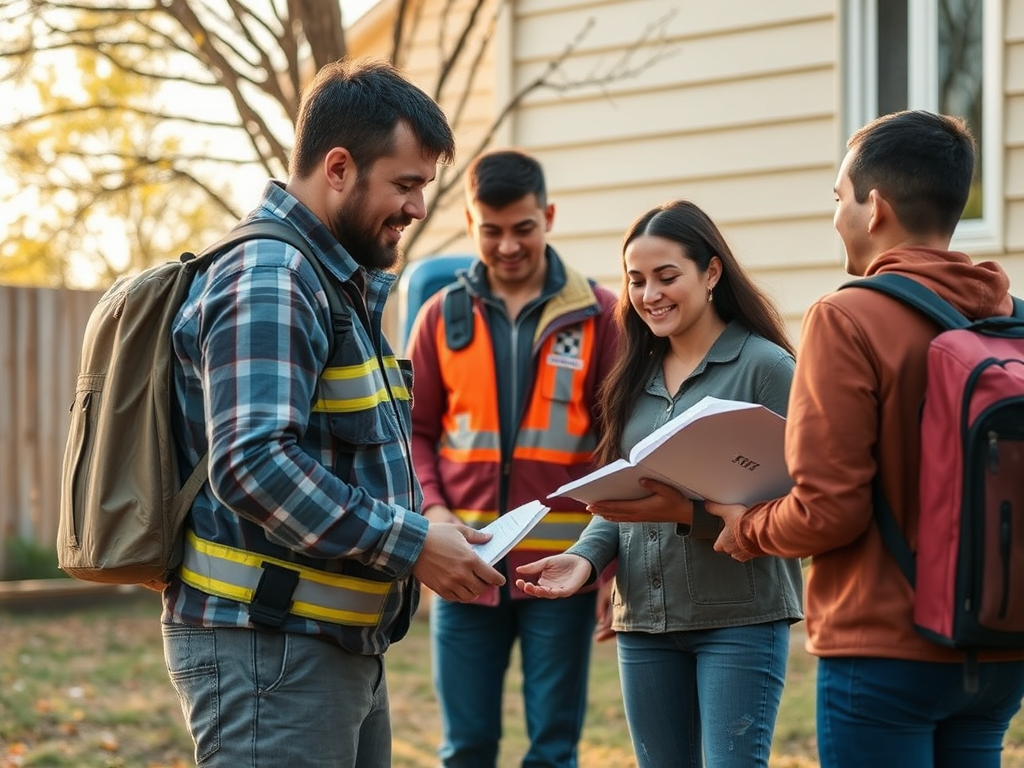
Creating a family emergency response team involves assembling a group of family members who are trained and organized to respond effectively during emergencies. First, assess the specific risks your family may face, such as natural disasters or health crises, and establish roles for each member. Conduct regular drills to practice your response plan, ensuring everyone knows their responsibilities and communication methods. Prioritize creating an emergency kit with essential supplies and maintain updated contact information for all members. This preparation not only enhances safety but also fosters confidence and teamwork in crisis situations.
Understanding the Importance of a Family Emergency Response Team
Creating a family emergency response team is crucial for ensuring that your household can react swiftly and effectively in the face of various emergencies. Emergencies can range from natural disasters like earthquakes and floods to man-made crises such as fires or medical emergencies. By having a dedicated team, families can minimize chaos and confusion during a crisis, significantly enhancing their chances of safety and survival.
Moreover, a well-prepared family is less likely to panic, as each member knows their role and responsibilities. This preparedness not only fosters a sense of security but also encourages proactive thinking and problem-solving under pressure. Understanding the potential risks in your area and preparing accordingly is a vital first step in forming your emergency response team.
Steps to Forming Your Emergency Response Team
The first step in forming an effective family emergency response team is to conduct a thorough risk assessment. Identify the types of emergencies that could affect your area and consider the specific vulnerabilities of your family. For instance, families living in hurricane-prone regions should prioritize planning for evacuation routes and shelter options.
Once you have a clear understanding of potential risks, gather your family members to discuss the importance of the team and what it will entail. Assign roles based on individual strengths and capabilities. For example, designate a leader to coordinate efforts, a communicator to relay information, and individuals responsible for specific tasks such as first aid, supplies management, and child care.
Next, establish a communication plan that includes how family members will reach each other in an emergency. This could involve setting up a group chat, using walkie-talkies, or designating a meeting point. Ensure that everyone understands the plan and can access the necessary tools to communicate effectively.
Roles and Responsibilities Within the Team
Clearly defined roles and responsibilities are essential for the smooth operation of your family emergency response team. Each member should know their specific tasks to prevent confusion during an emergency. For example, the team leader should oversee the overall response, ensuring that everyone is performing their assigned duties.
The communicator is vital for relaying information to family members and, if necessary, to emergency services. This role may also include keeping a list of emergency contacts and resources. Those responsible for first aid must be familiar with basic medical procedures and have access to a first aid kit, while others may focus on securing the home or gathering important documents.
It’s also beneficial to have a designated “runner” who can quickly gather supplies or reach out for help. By clearly outlining these roles, families can operate more efficiently during a crisis, improving their overall response capability.
Practicing and Maintaining Your Emergency Plan
Regular practice is critical for ensuring your family emergency response team functions effectively. Schedule drills to simulate various emergency scenarios, such as natural disasters or medical emergencies. These drills help reinforce roles and responsibilities, allowing family members to become comfortable with their tasks.
After each drill, gather as a family to discuss what went well and what could be improved. This reflection helps identify any gaps in your plan and allows for adjustments to be made. Additionally, as your family grows or changes, revisit and update your emergency response plan to ensure it remains relevant and effective.
It’s also important to stay informed about local emergency management resources and updates. This knowledge can help your family adapt to any changes in emergency protocols or available resources in your area.
Building an Effective Emergency Kit
An essential component of your family emergency response plan is a well-stocked emergency kit. This kit should contain supplies that will sustain your family for at least 72 hours in case of an emergency. Key items to include are non-perishable food, water, first aid supplies, flashlights, batteries, and any necessary medications.
When assembling your kit, consider the specific needs of your family members, such as dietary restrictions or medical conditions. Regularly check and update your emergency kit to ensure that all items are in good condition and have not expired. This proactive approach helps ensure that when an emergency occurs, your family is ready to respond effectively.
Frequently Asked Questions
What is a family emergency response team?
A family emergency response team is a group of family members organized and trained to respond effectively during emergencies, ensuring safety and minimizing chaos.
How do I start preparing my family for emergencies?
Begin by assessing potential risks your family may face, then gather family members to discuss roles and create a communication plan.
What should be included in an emergency kit?
Your emergency kit should contain non-perishable food, water, first aid supplies, flashlights, batteries, and any necessary medications.
How often should we practice our emergency plan?
Regularly practice your emergency plan, ideally at least twice a year, to ensure everyone is familiar with their roles and responsibilities.
Why is communication important in an emergency response plan?
Effective communication ensures that all family members are aware of the situation, know their roles, and can coordinate actions to enhance safety.
Conclusion
Establishing a family emergency response team is a proactive measure that enhances safety and preparedness during crises. By understanding potential risks, defining roles, practicing regularly, and maintaining an effective emergency kit, families can significantly improve their response capabilities. Prioritize open communication and continuous training to ensure your team is ready when it matters most. Taking these steps not only prepares your family for emergencies but also fosters resilience and confidence in facing unforeseen challenges.
Additional Resources
Authoritative Sources
- FEMA National Preparedness
fema.govFederal preparedness, mitigation, response, and community-resilience resources.