
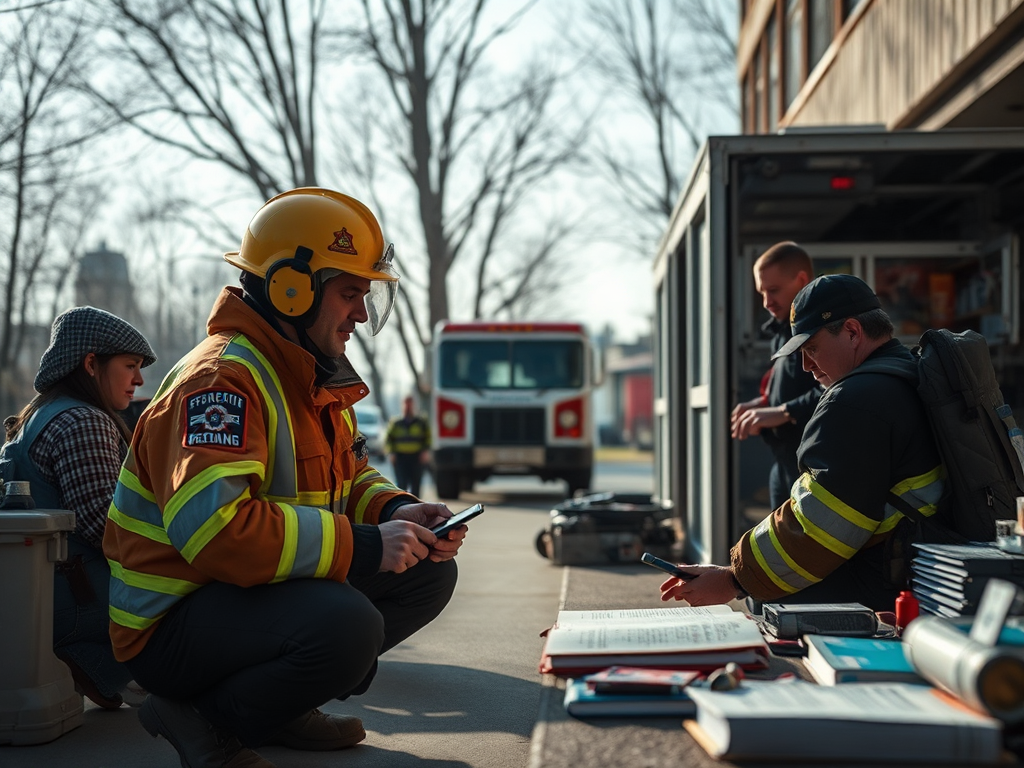
To evaluate the effectiveness of your emergency training, conduct regular assessments that include practical drills, participant feedback, and performance metrics. Focus on key indicators such as response times, knowledge retention, and the ability to execute emergency protocols under pressure. Observing how well participants apply their training in simulated scenarios is critical to identify areas for improvement and ensure preparedness in real situations.
Understanding Training Effectiveness Metrics
Evaluating the effectiveness of your emergency training begins with understanding the metrics that matter most. Key performance indicators (KPIs) such as knowledge retention, skill application, and response times are essential. Knowledge retention measures how much information participants can recall after training, while skill application assesses how effectively they can implement what they’ve learned in real situations. Response times reflect how quickly individuals can react in emergencies, which is crucial for saving lives.
Establishing a baseline for these metrics prior to training can help gauge improvement. For example, if a group of participants starts with a response time of 10 minutes during drills, the goal should be to reduce that time significantly by the end of the training cycle. Regular assessments using these metrics will not only highlight successes but also identify areas needing further development.
Practical Drills and Simulations
Conducting practical drills and simulations is one of the most effective ways to evaluate emergency training. These exercises mimic real-life scenarios and allow participants to apply their skills under pressure. The realism of these drills can vary from tabletop exercises to full-scale evacuations, depending on the objectives and resources available.
During these simulations, observe participants closely. Are they following protocols? Are they communicating effectively? These observations provide valuable insights into not only their training effectiveness but also team dynamics under stress. For instance, if a fire drill reveals that participants struggle with communication, it indicates a need for improved training in that area. Regularly scheduled drills help maintain readiness and reinforce learning.
Feedback Mechanisms for Continuous Improvement
Feedback is vital for refining emergency training programs. After each training session or drill, gather input from participants through surveys or debriefing sessions. Ask specific questions about their confidence levels, areas of confusion, and suggestions for improvement. This qualitative data complements the quantitative metrics gathered during drills.
For example, if several participants express uncertainty about using specific equipment during drills, it may signal a gap in training that should be addressed. Incorporating this feedback into your training curriculum not only enhances future sessions but also fosters a culture of continuous improvement. Implementing a feedback loop ensures that training evolves to meet the changing needs of your team and the challenges they face.
Real-World Applications of Training Outcomes
Ultimately, the effectiveness of your emergency training is measured by its application in real-world situations. Conducting after-action reviews following any actual emergency can provide insights into how well training prepared participants. Compare the performance during the event to the metrics established during training to identify strengths and weaknesses.
For instance, if a team successfully executes an evacuation plan developed during training, it demonstrates effective training. Conversely, if issues arise during the event, analyze what went wrong and how training can be adjusted to address these shortcomings. Real-world applications not only validate training effectiveness but also highlight the importance of adaptability in emergency preparedness.
For those interested in deepening their understanding of emergency training evaluation, consider reviewing official guidelines from organizations such as FEMA or the National Fire Protection Association (NFPA). These resources provide comprehensive frameworks for assessing training effectiveness and improving emergency preparedness.
Frequently Asked Questions
What are the key metrics for evaluating emergency training?
Key metrics include knowledge retention, skill application, and response times during drills and real scenarios.
How often should emergency training drills be conducted?
Emergency training drills should be conducted regularly, ideally at least quarterly, to maintain skills and readiness.
What role does feedback play in emergency training?
Feedback allows for continuous improvement by identifying areas for adjustment and enhancing participant confidence and skill.
How can real-world applications validate training effectiveness?
Real-world applications demonstrate how well training prepares participants, revealing strengths and areas needing improvement after actual events.
What are common mistakes in emergency training evaluation?
Common mistakes include failing to establish baselines, not conducting regular assessments, and neglecting participant feedback.
Conclusion
Evaluating the effectiveness of your emergency training is essential for ensuring preparedness and safety. By focusing on key metrics, conducting practical drills, and using participant feedback, you can continuously improve your training programs. Real-world applications of training outcomes provide critical insights that inform future training efforts. Prioritizing these evaluations will enhance the overall readiness of your team and improve response capabilities in real emergencies.
Additional Resources
Authoritative Sources
- American Red Cross Emergency Preparedness
redcross.orgPractical emergency preparation, safety, and supply guidance for households.