
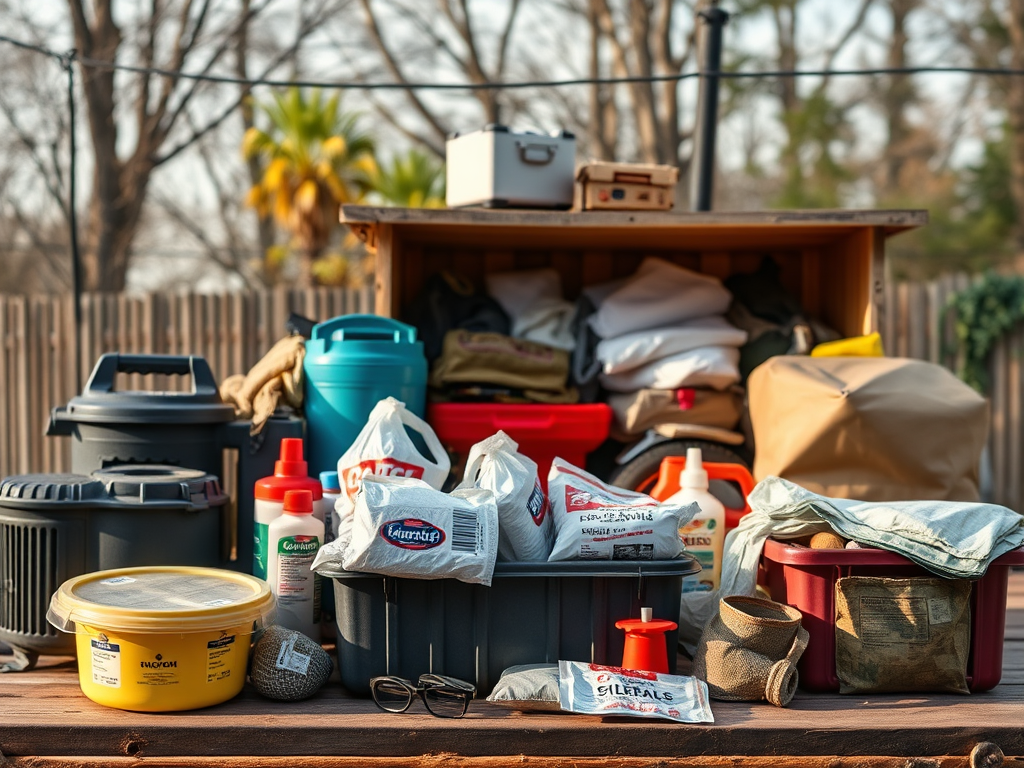
To prepare for long-term power outages, gather essential supplies like non-perishable food, water, and a reliable power source such as a generator. Create a comprehensive emergency plan that includes communication methods and safety protocols. Regularly check and maintain your supplies to ensure they are ready when needed. Prioritize food safety and sanitation to prevent spoilage and health risks during extended outages.
Understanding the Importance of Preparedness
Preparing for long-term power outages is crucial for ensuring safety and comfort during emergencies. Outages can occur due to natural disasters, equipment failures, or other unforeseen events, often lasting for days or even weeks. Understanding the risks associated with power outages helps in developing a proactive approach to preparedness.
Many people underestimate the impact of losing power, especially in modern settings where electricity is integral to daily life. Without preparation, individuals may face challenges such as food spoilage, lack of communication, and health risks associated with unregulated environments. Being proactive not only mitigates these risks but also instills a sense of security and confidence in handling emergencies.
Essential Supplies for Long-Term Power Outages
Having the right supplies is fundamental to surviving prolonged power outages. Start by assembling a comprehensive emergency kit that includes:
- Food and Water: Stock up on non-perishable food items such as canned goods, dried fruits, and nuts that require minimal preparation. Aim for at least a two-week supply of food and one gallon of water per person per day.
- Power Sources: Invest in a generator or solar-powered devices to maintain essential power for refrigeration and communication. Ensure you have enough fuel for the generator, and consider portable solar chargers for smaller devices.
- First Aid Kit: A well-stocked first aid kit is crucial for addressing minor injuries or health issues that may arise during an outage.
- Flashlights and Batteries: Reliable lighting sources are essential, as is a stock of batteries compatible with your devices.
Regularly check the expiration dates of food and replace items as needed to ensure that your supplies remain viable. Additionally, familiarize yourself with local resources, such as community centers or shelters, which may provide assistance during extended outages.
Creating an Emergency Action Plan
An effective emergency action plan is vital for navigating long-term power outages. Start by identifying your household’s specific needs and potential vulnerabilities. Consider factors such as medical conditions, ages of household members, and pets that may require special attention.
Establish clear communication methods with family members and neighbors. Discuss how to stay in touch during an outage, especially if some members are away from home. Designate a meeting place and ensure everyone knows how to get there if communication fails.
Include contingency plans for different scenarios, such as severe weather conditions that may exacerbate the situation. Review this plan regularly and conduct drills to ensure everyone understands their roles and responsibilities during an outage.
Maintaining Food Safety and Sanitation
Food safety is a critical concern during long-term power outages. Without refrigeration, perishable foods can spoil quickly, posing health risks. To mitigate this, consume perishable items first and prioritize canned and dried foods that can last longer without refrigeration.
Maintain proper sanitation to prevent foodborne illnesses. Have a plan for waste disposal, especially if water supply is limited. Use disposable bags for waste and store them away from living areas until they can be disposed of properly.
Furthermore, educate your household on recognizing signs of spoilage in food products. Use a thermometer to monitor food temperatures if possible, and when in doubt, throw it out. Prioritizing food safety and sanitation is essential for maintaining health and wellbeing during an outage.
Frequently Asked Questions
What are the first steps to take during a power outage?
First, check on your food supplies and secure a reliable source of light. Use flashlights instead of candles to prevent fire hazards. Ensure your phone is charged and gather your emergency kit.
How long can food last without power?
Generally, perishable food can last about 4-6 hours in a refrigerator without power. After that, it’s important to check the temperature and condition of food before consumption.
Is it safe to use a generator indoors?
No, using a generator indoors is extremely dangerous due to carbon monoxide emissions. Always operate generators outside in well-ventilated areas.
How can I keep my food safe during an outage?
Keep the refrigerator and freezer doors closed as much as possible. Use ice packs or dry ice to help keep food cold for longer periods if needed.
What should I include in my emergency kit?
Your emergency kit should include water, non-perishable food, first aid supplies, a flashlight, batteries, and any medications needed by household members.
Conclusion
Preparing for long-term power outages involves understanding risks, gathering essential supplies, and creating a comprehensive emergency action plan. Prioritize food safety and sanitation to protect your health during outages. Regularly review and update your preparedness strategies to ensure your household is equipped to handle emergencies effectively. Taking these steps can provide peace of mind and ensure safety during unexpected power disruptions.
Additional Resources
Authoritative Sources
- American Red Cross Emergency Preparedness
redcross.orgPractical emergency preparation, safety, and supply guidance for households.