
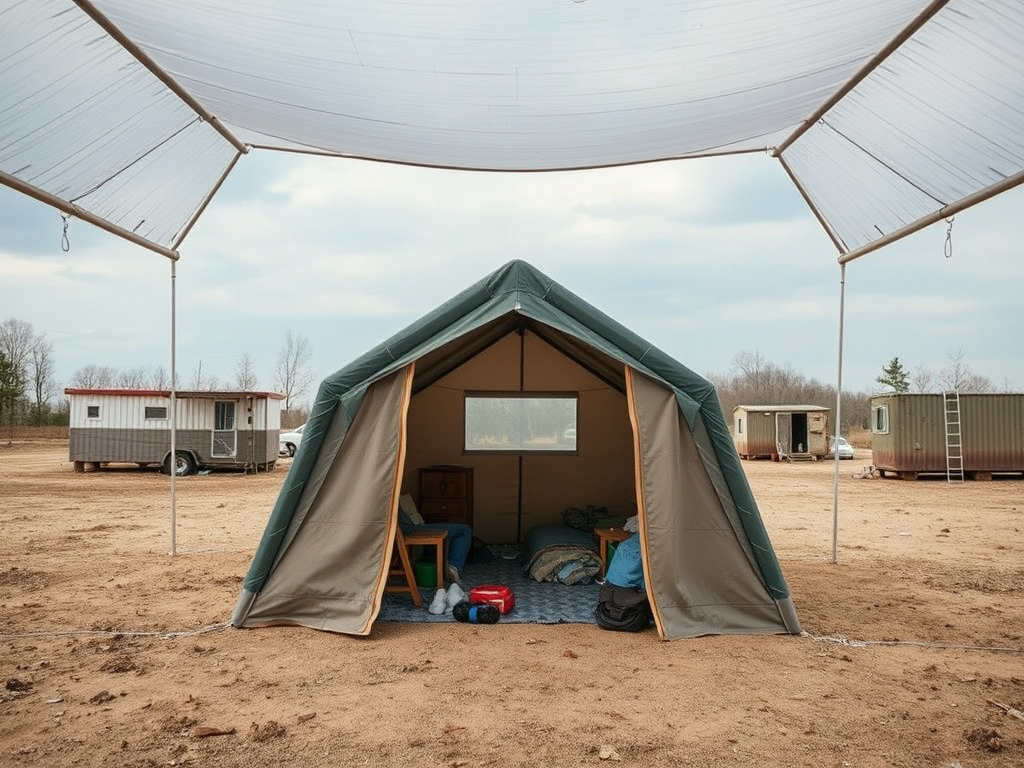
If you can't evacuate during a disaster, prioritize securing your shelter, gathering emergency supplies, and staying informed about the situation. Create a safe space in your home by reinforcing windows and doors, and stock up on food, water, and medical supplies. Maintain communication with local authorities and emergency services to receive updates and instructions, while also having a plan for how to signal for help if needed.
Shelter Preparation and Safety Measures
Securing your shelter is the first step when you can’t evacuate during a disaster. This involves reinforcing your home against potential threats, such as flooding or high winds. Use sandbags to block water entry points and ensure all windows and doors are securely fastened. If you have a basement or a small interior room, consider using it as a safe space, as it typically offers more protection.
It’s important to assess your environment and identify potential hazards that could impact your safety. For example, if you live in an area prone to wildfires, clear any flammable materials around your home. If you’re in a flood zone, understand the elevation of your property and prepare accordingly. Regularly check and maintain your home’s structure to withstand extreme weather conditions.
Essential Emergency Supplies
Gathering emergency supplies is crucial when you can’t evacuate. Start by creating a comprehensive emergency kit that includes non-perishable food, water (at least one gallon per person per day), a first aid kit, flashlights, batteries, and any necessary medications. Don’t forget about personal hygiene items and sanitation supplies, as these can become scarce during emergencies.
Additionally, consider the specific needs of all household members. For example, if you have infants, ensure you have enough formula and diapers. If you have pets, include food and supplies for them as well. Regularly check and update your emergency supplies to ensure everything is in good condition and within expiration dates.
Effective Communication Strategies
Staying informed is essential during a disaster. Ensure you have a battery-powered or hand-crank radio to receive updates from local authorities. Establish a communication plan with family and friends so everyone knows how to reach each other if phone lines are down. Consider using text messaging or social media, as these methods can sometimes be more reliable than phone calls during emergencies.
If you have access to the internet, follow local news and weather updates online. Download emergency apps that provide real-time alerts and information. Make sure to keep your devices charged and have backup power sources, such as portable chargers, available.
Managing Stress and Mental Health
In times of crisis, it’s easy to feel overwhelmed. Managing stress is crucial when you can’t evacuate. Create a routine to provide structure and a sense of normalcy. Engage in calming activities, such as reading, meditating, or exercising, to help maintain your mental health during the disaster.
Stay connected with loved ones through phone calls or video chats to maintain social support. Acknowledge your feelings and allow yourself to express them. Consider keeping a journal to process your thoughts and emotions. If you feel the need for professional help, many mental health services offer remote support during emergencies.
Conclusion
Being unable to evacuate during a disaster requires careful planning and quick action to ensure your safety. By securing your shelter, gathering essential supplies, maintaining effective communication, and managing your mental health, you can navigate through the crisis more effectively. Prioritize these steps to enhance your preparedness and resilience during emergencies.
Additional Resources
Authoritative Sources
- American Red Cross Emergency Preparedness
redcross.orgPractical emergency preparation, safety, and supply guidance for households.