
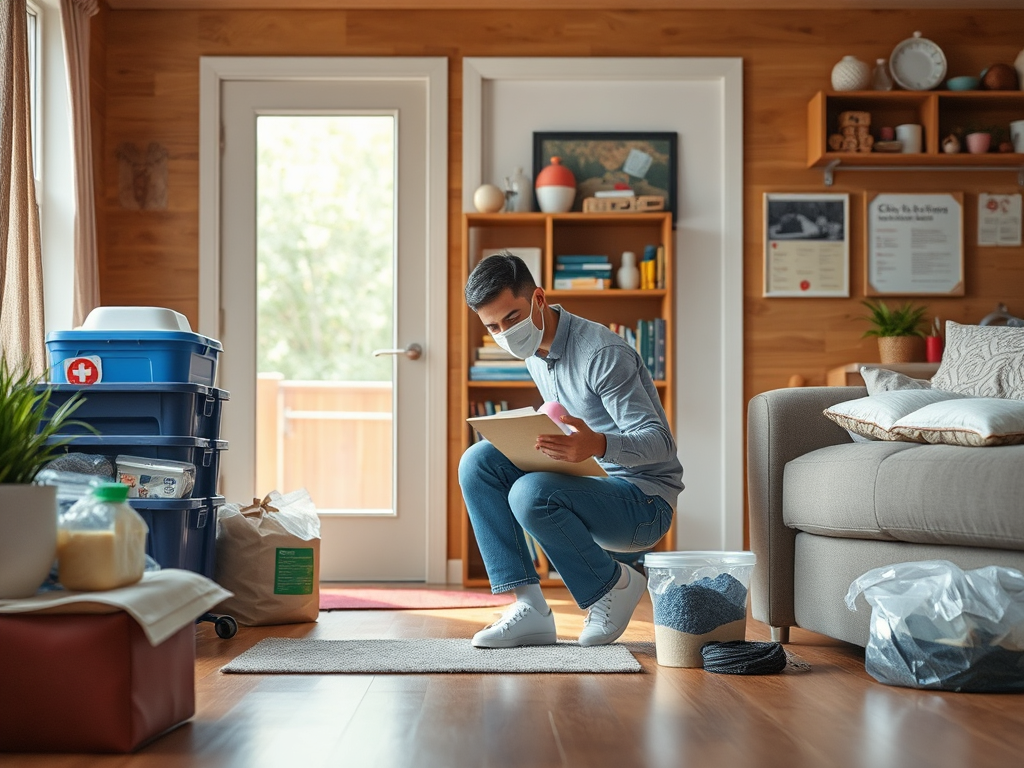
To prepare for medical emergencies at home, create a comprehensive first aid kit, establish a clear emergency plan, and ensure everyone in the household is trained in basic first aid. Essential supplies include bandages, antiseptics, and a digital thermometer. Common mistakes include not updating supplies regularly or neglecting to practice emergency procedures, which can lead to confusion during a crisis.
Understanding the Importance of Home Preparedness
Preparing for medical emergencies at home is crucial for ensuring the safety and well-being of your family. Emergencies can occur without warning, and having a plan in place can significantly reduce panic and confusion during a critical moment. Recognizing the potential risks, such as accidents or sudden health issues, allows for proactive measures that can save lives.
Many individuals underestimate the likelihood of medical emergencies, which can lead to insufficient preparation. Common emergencies include severe allergic reactions, falls, and sudden illnesses. Being prepared means having the right supplies and knowledge at your fingertips, ensuring a swift response when every second counts. Moreover, families equipped with a plan can respond effectively, minimizing injuries and improving outcomes.
Essential Supplies for Your First Aid Kit
A well-stocked first aid kit is the cornerstone of any home emergency preparedness plan. Essential items include:
- Adhesive bandages: For minor cuts and scrapes.
- Antiseptic wipes: To clean wounds and prevent infection.
- Gauze pads and adhesive tape: For larger wounds and injuries requiring more coverage.
- Antibiotic ointment: To apply on cuts to reduce infection risk.
- Digital thermometer: For monitoring body temperature.
- Scissors and tweezers: Useful for cutting tape and removing splinters.
- Gloves: To protect both the caregiver and the injured person.
- CPR face shield: For administering CPR safely.
It’s important to regularly check your first aid supplies to ensure that items are not expired and that you have enough of each essential component. Additionally, consider the specific needs of your household, such as allergies or chronic conditions, and tailor your kit accordingly. For example, if someone in your home has severe allergies, include an epinephrine auto-injector.
Creating an Emergency Plan
A well-thought-out emergency plan is vital for effectively managing medical emergencies at home. This plan should include clear steps for what to do in various situations, such as a severe allergic reaction or a major injury. Here are key components to consider:
- Contact Information: List emergency contacts, including family members, neighbors, and local emergency services.
- Designated Meeting Spot: Choose a safe location for family members to gather in case of evacuation.
- Emergency Numbers: Post important phone numbers, like poison control, near your phone.
- Specific Instructions: Outline what to do in different scenarios, such as how to handle choking or bleeding.
Practicing the emergency plan ensures that everyone knows their roles and can act quickly when needed. Conducting regular drills can help reinforce the procedures and build confidence in your family’s ability to respond effectively.
Training and Drills for Medical Emergencies
Training is a critical aspect of preparing for medical emergencies. Basic first aid and CPR training can empower family members to act decisively during a crisis. Many organizations, such as the American Red Cross, offer courses that teach essential skills. These courses often cover:
- Basic first aid techniques: How to treat cuts, burns, and sprains.
- CPR: Techniques for adults, children, and infants.
- Choking relief: How to perform the Heimlich maneuver.
Regular drills help reinforce the skills learned and ensure that everyone feels prepared. Schedule practice sessions every few months, simulating different scenarios, so family members can become familiar with the procedures. This practice not only builds confidence but also reveals any gaps in knowledge that can be addressed before an actual emergency occurs.
For additional information on preparing for medical emergencies at home, consider visiting resources from recognized organizations such as the American Red Cross or the Centers for Disease Control and Prevention (CDC). These organizations provide comprehensive guidelines and resources to enhance your preparedness efforts.
Frequently Asked Questions
What should I include in a home first aid kit?
Your home first aid kit should include adhesive bandages, antiseptic wipes, gauze pads, antibiotic ointment, scissors, gloves, and a digital thermometer.
How often should I check my first aid supplies?
Check your first aid supplies at least every six months to ensure items are not expired and that you have adequate quantities.
What is the best way to prepare for a medical emergency?
Prepare by creating a comprehensive first aid kit, establishing an emergency plan, and ensuring all household members are trained in basic first aid techniques.
How can I train my family for emergencies?
Enroll family members in first aid and CPR courses, and conduct regular drills to practice the emergency plan and reinforce learned skills.
What common mistakes should I avoid when preparing for emergencies?
Avoid neglecting to update your first aid kit, failing to practice your emergency plan, and underestimating the likelihood of medical emergencies.
Conclusion
Being prepared for medical emergencies at home is essential for ensuring the safety of your family. By assembling a comprehensive first aid kit, creating an effective emergency plan, and providing training for all household members, you can significantly improve your response to unexpected situations. Regularly practicing these skills and updating your supplies will enhance your family’s confidence and readiness, ultimately leading to better outcomes in times of crisis.