
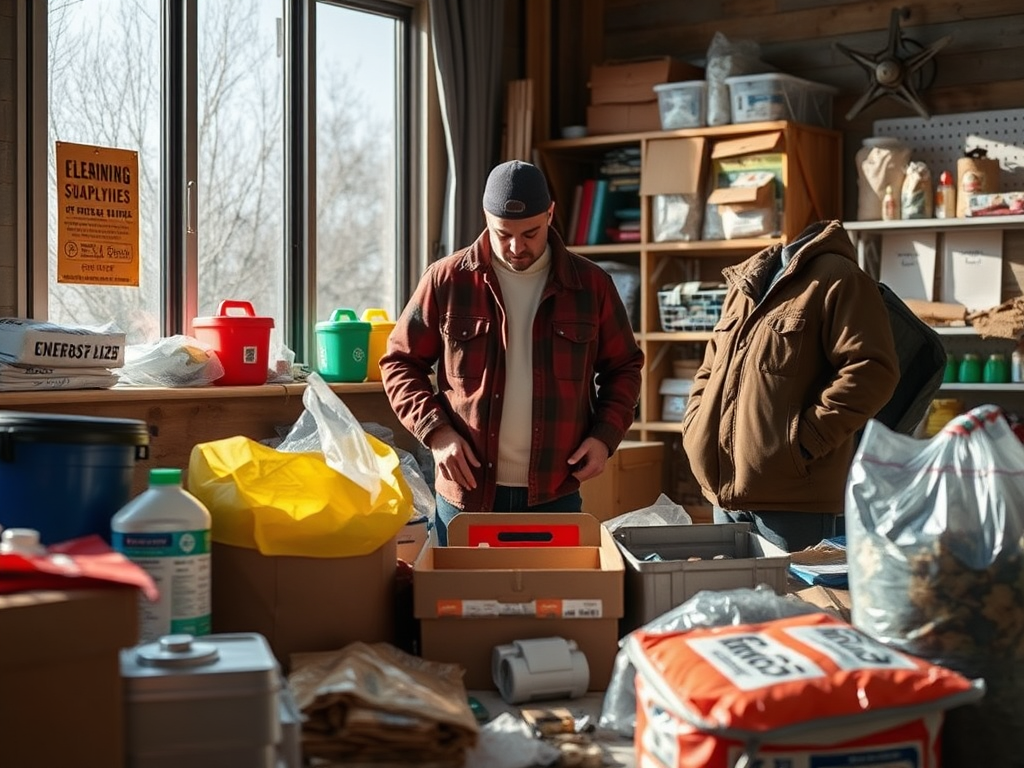
Common mistakes in selecting emergency supplies often include neglecting to account for specific needs, failing to update supplies regularly, and choosing low-quality items. It's essential to assess your unique situation, ensure supplies are practical and durable, and periodically review expiration dates. Prioritizing versatile items that can serve multiple functions is a smart strategy to maximize preparedness while avoiding unnecessary purchases.
Understanding Your Unique Needs
One of the most significant mistakes people make when selecting emergency supplies is failing to assess their unique needs based on their specific circumstances. Every household is different, and factors such as location, family size, health conditions, and even pets can influence what supplies are necessary. For instance, a family with young children may need additional items such as baby formula and diapers, while those living in a flood-prone area might prioritize waterproof gear and food storage.
Understanding personal requirements is crucial because it helps in prioritizing the right supplies. For example, someone with dietary restrictions must ensure their emergency food supply meets those needs. Neglecting these specifics can lead to inadequate preparedness, resulting in panic during emergencies. To avoid this mistake, conduct a thorough assessment of your household’s needs and create a tailored list of supplies.
Quality Over Quantity
Another prevalent error is focusing on the quantity of supplies rather than their quality. Many individuals believe that having a larger stockpile of supplies will better prepare them for emergencies. However, low-quality items can fail when needed most, rendering the stockpile useless. For example, purchasing cheap flashlights may seem like a good idea initially, but if they break during a power outage, the investment is wasted.
Investing in high-quality items ensures reliability. For instance, opting for durable, well-reviewed multi-tools and first-aid kits can significantly enhance preparedness. Moreover, quality items tend to have longer shelf lives, which means less frequent replacements. In this context, consider the long-term value of your purchases and prioritize items from reputable brands known for their reliability.
Regularly Updating Your Supplies
Many people overlook the importance of regularly updating their emergency supplies. Items like food and medications have expiration dates, and failing to replace them can lead to a false sense of security. A common mistake is stocking up on supplies and then forgetting about them until an emergency arises, only to find that many items have expired or degraded in quality.
To mitigate this risk, establish a routine to check and refresh your supplies at least once a year. During this review, check expiration dates, replace expired items, and assess whether your current supplies still meet your needs. This proactive approach not only ensures that you have reliable supplies but also allows you to adjust your stock based on any changes in your household or lifestyle.
Prioritizing Versatile Items
When selecting emergency supplies, it’s essential to prioritize versatile items that can serve multiple purposes. A common mistake is choosing specialized products that may only be useful in specific situations. For example, instead of buying various single-use items, consider multi-tools, which can perform several functions and save space.
Versatile items like water purification tablets, which can ensure safe drinking water, or a solar-powered charger, which can keep essential devices powered, are excellent choices. These items not only reduce clutter but also enhance your preparedness for various scenarios. When evaluating products, think about how each item can be utilized in multiple situations to maximize your investment.
Frequently Asked Questions
What are the most critical emergency supplies to have?
Essential emergency supplies include water, non-perishable food, a first-aid kit, a flashlight, and a multi-tool. Tailor your list based on specific needs.
How often should I check my emergency supplies?
It's advisable to check your emergency supplies at least once a year to replace expired items and adjust for any changes in your household.
What should I do if my emergency supplies expire?
Replace expired items immediately to ensure your emergency kit remains functional and reliable in case of an emergency.
Can I use regular household items as emergency supplies?
Yes, many household items can serve as emergency supplies, but ensure they meet safety and functionality standards for emergency situations.
What is the best way to store emergency supplies?
Store emergency supplies in a cool, dry place in waterproof containers to protect them from moisture and damage.
Conclusion
Selecting emergency supplies requires careful consideration of personal needs, quality, regular updates, and item versatility. By avoiding common mistakes, such as neglecting unique requirements and focusing solely on quantity, you can create a more effective emergency preparedness plan. Regularly assessing and updating your supplies will ensure that you are always ready for unexpected situations. Prioritize essential items that serve multiple purposes to maximize your preparedness and enhance your confidence in facing emergencies.