
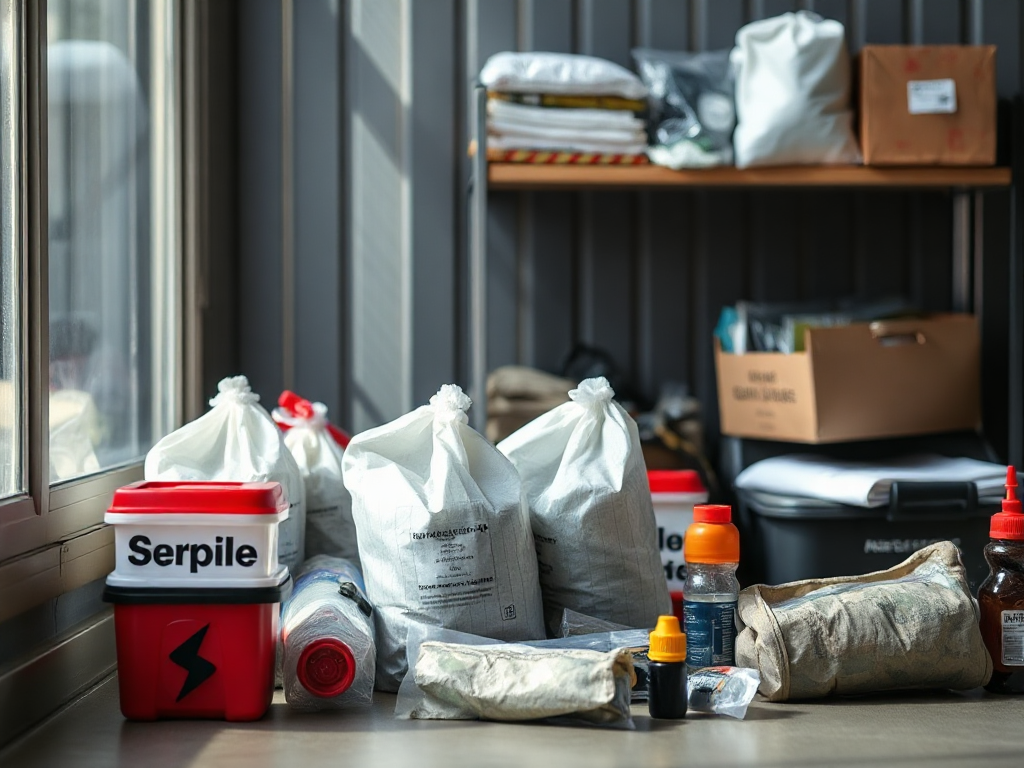
To prepare for long-term isolation, prioritize gathering essential supplies, maintaining mental health, and implementing safety measures. Stock up on non-perishable food, water, and medical supplies, ensuring you have enough to last for an extended period. Establish a daily routine to provide structure and combat feelings of loneliness, and stay connected with family and friends through various communication methods. Additionally, enhance your home security and develop emergency plans to safeguard against unforeseen circumstances.
Essential Supplies for Long-Term Isolation
Having the right supplies is fundamental when preparing for long-term isolation. This includes food, water, medical supplies, and other essentials that ensure your survival and comfort. A well-planned supply list should feature non-perishable food items such as canned goods, dried fruits, and grains. Aim for a variety of food types to maintain nutritional balance and avoid monotony.
Water is another critical resource. The general guideline is to have at least one gallon of water per person per day for at least two weeks. Consider incorporating water purification options such as filters or purification tablets into your supplies to ensure access to clean water.
Don’t overlook medical supplies. Stock first aid kits, prescription medications, over-the-counter drugs for common ailments, and hygiene products. A well-equipped first aid kit should include bandages, antiseptics, and any necessary medical devices. It’s wise to periodically check expiration dates and replace items as needed.
Communication tools, such as battery-operated radios, can keep you informed during emergencies. Ensure you have backup batteries and consider solar chargers for electronic devices. A reliable means of communication can help you stay connected with the outside world, which is vital for mental health during isolation.
Mental Strategies to Cope with Isolation
Isolation can take a toll on mental health, so developing strategies to cope is essential. Establishing a daily routine can provide structure and a sense of normalcy. Aim to include regular activities that you enjoy, such as reading, exercising, or engaging in hobbies, to keep your mind active and engaged.
Staying connected with loved ones through phone calls or video chats can alleviate feelings of loneliness. Schedule regular check-ins to maintain social bonds and support networks. Finding online communities or support groups can also offer a sense of belonging and shared experiences.
Mindfulness and relaxation techniques can help manage anxiety and stress. Practices such as meditation, deep breathing exercises, or yoga can be beneficial. Consider setting aside time each day for these activities to promote emotional well-being.
Moreover, setting realistic goals for your time in isolation can provide motivation and a sense of accomplishment. Whether it’s learning a new skill or completing a project, tangible goals can enhance purpose and focus.
Safety Precautions During Isolation
Ensuring safety during isolation is paramount. Start by assessing your home for security and making necessary improvements. This may include reinforcing doors and windows, installing security cameras, or utilizing motion-sensor lights to deter intruders.
Develop an emergency plan that outlines what to do in various scenarios, such as natural disasters or medical emergencies. Share this plan with trusted friends or family members who can help if needed. Regularly review and practice this plan to ensure everyone is familiar with it.
Keeping an emergency kit readily available is also important. This kit should include essential items like flashlights, batteries, food, water, and a basic first aid kit. Regularly check and update the contents to ensure everything is functional and up to date.
Ultimately, stay informed about local news and emergency alerts. This can help you react promptly to any changing circumstances or safety threats. Subscribe to local alert systems or follow reliable news sources to keep abreast of developments.
Frequently Asked Questions
What are the most essential supplies to have for long-term isolation?
Key supplies include non-perishable food, clean drinking water, a first aid kit, hygiene products, and communication tools like radios.
How can I maintain my mental health during isolation?
Establishing a daily routine, staying connected with loved ones, practicing mindfulness, and setting personal goals can significantly help your mental health.
What safety measures should I take during isolation?
Enhance home security, develop an emergency plan, keep an emergency kit, and stay informed about local emergencies.
How much water should I store for long-term isolation?
It is recommended to store at least one gallon of water per person per day for a minimum of two weeks.
What are some common mistakes people make when preparing for isolation?
Common mistakes include underestimating food and water needs, not considering mental health strategies, and neglecting home safety measures.
Conclusion
Preparing for long-term isolation requires careful planning and consideration of various factors. Focus on gathering essential supplies, maintaining mental well-being, and ensuring safety measures. By establishing routines, staying connected with others, and regularly assessing your preparedness, you can effectively navigate the challenges of isolation. Prioritize your needs and take proactive steps to ensure a safe and healthy experience during uncertain times.
Additional Resources
Authoritative Sources
- Coping With Isolation: 25 Strategies for Optimizing Mental ...
online.sbu.eduCreate a quarantine schedule to help map out your day. Break up work periods with time to relax, eat, or go for a walk. Adding structure to a ...
- Understanding the Effects of Social Isolation on Mental ...
online.tulane.eduEngage in relaxing activities. Exercise and stretching, reading, listening to music, meditation and prayer, journaling, and hobbies can help ...
- CE corner: The risks of social isolation
apa.orgIdentify the effects of social isolation and loneliness on physical, mental and cognitive health. Explore how loneliness differs from social isolation. Discuss ...