What Mistakes Should I Avoid With Emergency Preparedness?

What Mistakes Should I Avoid With Emergency Preparedness?

Quick Answer: Avoiding common mistakes in emergency preparedness can save lives. For example, not having a communication plan can lead to confusion during a crisis, so ensure everyone knows how to reach each other.

Why This Happens: Many people underestimate the likelihood of emergencies or assume they will have time to react when a disaster strikes, leading to inadequate planning.

How To Fix It:

  • Create a comprehensive emergency plan that includes communication methods and meeting points.
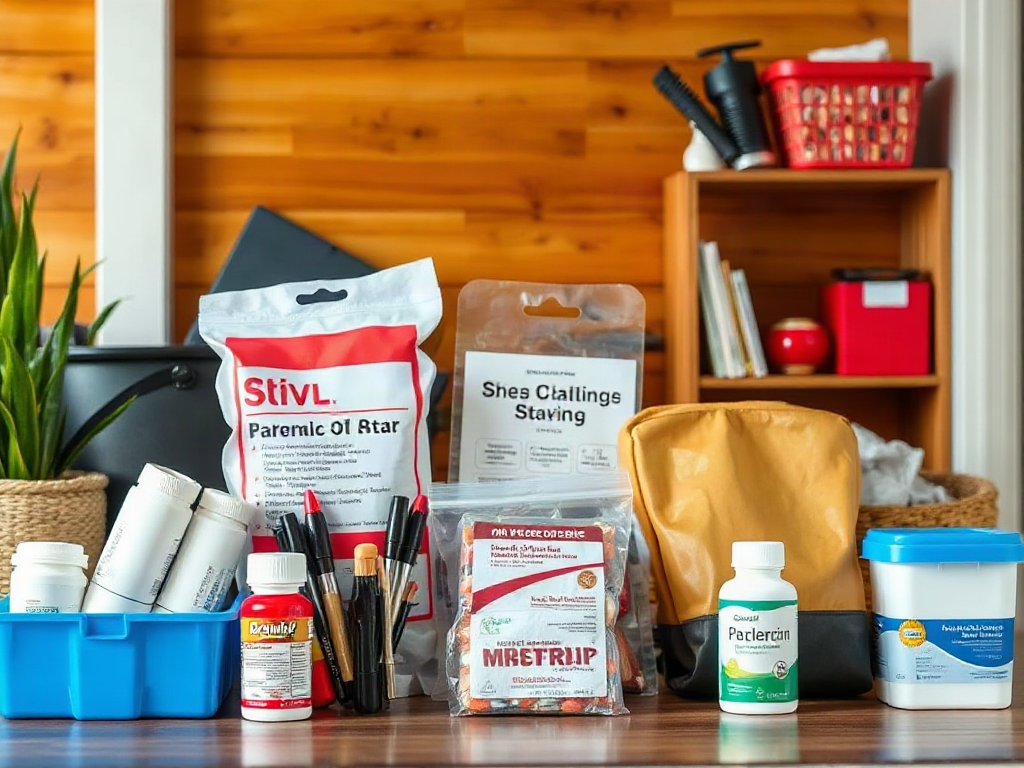
  • Regularly review and update your emergency supplies, ensuring they are accessible and not expired.
  • Conduct practice drills with your family or group to familiarize everyone with the plan.
  • Stay informed about local hazards and resources by following local emergency management agencies.
  • Educate yourself on basic first aid and emergency response techniques to enhance your preparedness.
In This Article

How Emergency Preparedness Works in Real Life

In the face of unexpected disasters, the difference between chaos and calm often hinges on how well we prepare. Many individuals mistakenly believe that emergencies are distant possibilities, leading to a false sense of security that can have dire consequences. A well-structured emergency plan, complete with clear communication strategies and designated meeting points, can transform a potentially overwhelming situation into a manageable one. Regularly updating supplies and practicing drills ensures that everyone is not only aware of their roles but also confident in executing them when it matters most. By taking proactive steps, we can significantly enhance our resilience and safeguard our loved ones during crises.

1. Underestimating the Importance of a Plan

Many individuals believe that simply having supplies is enough. However, without a clear plan, those supplies may go unused. A well-thought-out emergency plan should include:

  • Evacuation routes: Know multiple ways to exit your home and community. For instance, if you live in a flood-prone area, identify higher ground routes.
  • Communication strategies: Establish a family communication plan. Designate a meeting point and ensure everyone knows how to reach each other during a crisis.
  • Emergency contacts: Keep a list of important phone numbers, including local emergency services, family members, and friends.

2. Neglecting to Practice Your Plan

Having a plan is only the first step; practicing it is crucial. Conduct regular drills to ensure everyone knows their roles. For example, hold a fire drill every six months to familiarize your family with the escape routes and procedures. This practice can help reduce panic during an actual emergency.

3. Failing to Customize Your Emergency Kit

Generic emergency kits may not meet your specific needs. Tailor your kit based on your family’s unique circumstances:

  • Medical needs: If someone in your household has specific health requirements, include necessary medications and medical supplies.
  • Pet supplies: Don’t forget about your pets. Pack food, water, and any medications they may need.
  • Age-appropriate items: For families with children, include toys, games, and comfort items to help ease anxiety during stressful situations.

4. Ignoring Local Hazards

Every region has its own set of potential emergencies, whether it’s hurricanes, earthquakes, or wildfires. Research the specific risks in your area and prepare accordingly. For instance, if you live in an earthquake-prone area, consider securing heavy furniture and appliances to walls to prevent them from toppling over.

5. Overlooking the Importance of Community

Emergency preparedness is not just an individual effort; community resources can be invaluable. Engage with local organizations and participate in community preparedness programs. For example, many communities offer free training sessions on first aid and CPR, which can be lifesaving skills during emergencies.

6. Not Staying Informed

In an emergency, information is crucial. Stay updated on local news and weather alerts. Consider downloading apps that provide real-time alerts for your area. Additionally, familiarize yourself with the emergency services available in your community, such as shelters and food banks.

7. Forgetting to Update Your Supplies

Emergency supplies can expire or become outdated. Regularly check your kit and replace any expired items. For example, batteries for flashlights and radios should be replaced every year, and food items should be rotated to ensure freshness.

8. Neglecting Mental Preparedness

Physical preparedness is essential, but mental resilience is equally important. Prepare your family emotionally by discussing potential emergencies and how to cope with them. Encourage open conversations about fears and concerns, and consider practicing relaxation techniques, such as deep breathing or mindfulness, to help manage stress during crises.

9. Not Having a Backup Plan

Sometimes, even the best-laid plans can go awry. Always have a backup plan in place. For instance, if your primary evacuation route is blocked, know alternative routes. Additionally, have a secondary meeting point in case your first choice is unsafe.

10. Disregarding Financial Preparedness

Financial preparedness is often overlooked. Ensure you have access to cash in case ATMs are down. Keep important documents, such as insurance policies and identification, in a waterproof container. Consider creating a digital backup of these documents stored securely online.

Conclusion

Emergency preparedness is a multifaceted approach that requires planning, practice, and community involvement. By avoiding common mistakes and taking proactive steps, you can enhance your readiness for any situation. Remember, the goal is not just to survive but to thrive in the face of adversity. Start today by assessing your current preparedness level and making necessary adjustments to ensure you and your loved ones are ready for whatever may come your way.

How to Apply Emergency Preparedness Without Guesswork

Strong results with emergency preparedness come from matching the method to the actual goal, checking the most important conditions first, and adjusting one part of the process at a time. The reliable pattern is simple: define the result, choose a repeatable starting method, measure what changes, and correct the weakest point before adding more complexity.

Match the method to the goal

Before choosing a more advanced approach, compare setup time, cost, maintenance needs, and the most likely failure point. A beginner-friendly method that can be repeated consistently is usually more valuable than a complicated method that is difficult to monitor or troubleshoot.

Common Mistakes to Avoid

The most common mistake is changing too many variables at once. That makes it hard to know what actually improved the result. Keep notes, adjust one factor at a time, and confirm the outcome before moving to the next change.

Practical Next Steps

  • Choose the simplest method that fits the goal behind emergency preparedness.
  • Track one or two measurable results so progress is clear.
  • Correct the most obvious weak point before adding tools or complexity.
  • Review the outcome after a short test period and refine the process.
Where Can I Get Help With Emergency Preparedness?

Where Can I Get Help With Emergency Preparedness?

Quick Answer: You can get help with emergency preparedness from local government agencies, community organizations, and online resources like the Federal Emergency Management Agency (FEMA). For example, FEMA offers a comprehensive guide on creating emergency plans and kits.

Why This Happens: Many people are unaware of the resources available to them for emergency preparedness, leading to a lack of planning and readiness for potential disasters.

How To Fix It:

  • Visit FEMA's website to access free resources and guides on emergency preparedness.
  • Contact your local emergency management office for workshops or training sessions.
  • Join community preparedness groups or attend local events focused on disaster readiness.
  • Utilize apps like Ready that provide personalized emergency plans and alerts.
  • Educate yourself and your family through online courses on emergency response.
Table of Contents

A Simple, Repeatable Plan for Emergency Preparedness

In an unpredictable world, the importance of being prepared for emergencies cannot be overstated. Whether facing natural disasters or unforeseen crises, having a solid plan can mean the difference between chaos and calm. Many individuals overlook the wealth of resources available to them, from local government initiatives to comprehensive guides provided by organizations like FEMA. By taking proactive steps to educate themselves and their families, people can build a foundation of readiness that not only protects them but also fosters a sense of community resilience. Embracing these resources empowers everyone to face challenges head-on, ensuring that when the unexpected occurs, they are ready to respond effectively.

1. Assess Your Risks

Understanding the specific risks in your area is the first step in creating an effective emergency preparedness plan. For instance, if you live in a coastal region, you may need to prepare for hurricanes or flooding. In contrast, those in the Midwest might focus on tornado preparedness. Here are some common risks to consider:

  • Natural Disasters: Earthquakes, floods, hurricanes, tornadoes, and wildfires.
  • Health Emergencies: Pandemics, outbreaks of infectious diseases, and foodborne illnesses.
  • Technological Hazards: Power outages, cyberattacks, and chemical spills.

2. Create a Family Emergency Plan

Your family emergency plan should outline how your family will respond to different types of emergencies. This includes communication strategies, evacuation routes, and meeting points. Here’s how to create one:

  • Communication: Designate a family member as the primary contact. Ensure everyone knows how to reach them, whether by phone or social media.
  • Evacuation Routes: Identify multiple routes out of your neighborhood and practice them. For example, if you live in an area prone to wildfires, know the quickest ways to evacuate.
  • Meeting Points: Choose a safe location where your family can regroup if separated. This could be a neighbor’s house or a local park.

3. Build an Emergency Kit

An emergency kit is essential for any preparedness plan. It should contain supplies to sustain you and your family for at least 72 hours. Here’s a comprehensive list of items to include:

  • Water: One gallon per person per day for at least three days.
  • Food: Non-perishable items such as canned goods, granola bars, and dried fruits. Don’t forget a manual can opener!
  • First Aid Kit: Include bandages, antiseptic wipes, pain relievers, and any necessary prescription medications.
  • Tools and Supplies: Flashlights, batteries, multi-tools, and duct tape can be invaluable in emergencies.
  • Personal Items: Include items like hygiene products, important documents, and cash in small denominations.

4. Stay Informed

Staying informed during an emergency is crucial. Sign up for local alerts and warnings through your city or county’s emergency management office. Additionally, consider the following resources:

  • Weather Apps: Download apps that provide real-time weather updates and alerts.
  • Emergency Radio: A battery-operated or hand-crank radio can keep you informed when the power is out.
  • Community Resources: Local organizations often provide information on emergency preparedness workshops and resources.

5. Practice Your Plan

Creating a plan is only the first step; practicing it is essential. Schedule regular drills with your family to ensure everyone knows what to do in an emergency. Here are some ideas for practice drills:

  • Fire Drill: Practice how to exit your home quickly and safely in case of a fire.
  • Earthquake Drill: Teach family members to “Drop, Cover, and Hold On” during an earthquake.
  • Evacuation Drill: Simulate an evacuation scenario to ensure everyone knows the routes and meeting points.

6. Connect with Your Community

Emergency preparedness is not just an individual effort; community involvement is vital. Here are ways to connect with your community for better preparedness:

  • Join Local Groups: Participate in local emergency preparedness groups or neighborhood watch programs.
  • Attend Workshops: Many communities offer workshops on disaster preparedness, first aid, and CPR training.
  • Volunteer: Consider volunteering with local emergency response teams or organizations like the Red Cross.

7. Review and Update Your Plan Regularly

Your emergency preparedness plan should not be static. Review and update it regularly, especially after significant life changes such as moving, having a baby, or changes in family dynamics. Here are some tips for keeping your plan current:

  • Annual Review: Set a date each year to review your emergency plan and kit.
  • Update Contacts: Ensure that all emergency contacts are current and accessible.
  • Replace Expired Items: Regularly check your emergency kit for expired food, medications, and batteries.

Conclusion

Emergency preparedness is a continuous process that requires commitment and proactive planning. By assessing your risks, creating a family emergency plan, building an emergency kit, staying informed, practicing your plan, connecting with your community, and regularly reviewing your strategies, you can significantly enhance your readiness for any emergency. Remember, being prepared not only protects you and your loved ones but also strengthens your community as a whole.

How to Apply Emergency Preparedness Without Guesswork

Strong results with emergency preparedness come from matching the method to the actual goal, checking the most important conditions first, and adjusting one part of the process at a time. The reliable pattern is simple: define the result, choose a repeatable starting method, measure what changes, and correct the weakest point before adding more complexity.

Match the method to the goal

Before choosing a more advanced approach, compare setup time, cost, maintenance needs, and the most likely failure point. A beginner-friendly method that can be repeated consistently is usually more valuable than a complicated method that is difficult to monitor or troubleshoot.

Common Mistakes to Avoid

The most common mistake is changing too many variables at once. That makes it hard to know what actually improved the result. Keep notes, adjust one factor at a time, and confirm the outcome before moving to the next change.

Practical Next Steps

  • Choose the simplest method that fits the goal behind emergency preparedness.
  • Track one or two measurable results so progress is clear.
  • Correct the most obvious weak point before adding tools or complexity.
  • Review the outcome after a short test period and refine the process.
What Is The Easiest Way To Improve Results With Disaster Preparedness?

What Is The Easiest Way To Improve Results With Disaster Preparedness?

Quick Answer: The easiest way to improve results with disaster preparedness is to conduct regular drills and training sessions, such as fire or earthquake drills, to ensure everyone knows their roles and responsibilities. For example, schools often implement these drills to enhance safety awareness among students and staff.

Why This Happens: Many individuals and organizations lack practical experience in emergency situations, leading to confusion and ineffective responses during actual disasters.

How To Fix It:

  • Schedule regular disaster preparedness drills at least twice a year to practice response plans.
  • Create a clear communication plan that outlines who to contact and how to relay information during a disaster.
  • Provide training sessions for all team members on emergency procedures and first aid.
  • Review and update your disaster preparedness plan annually to incorporate lessons learned from drills and real events.
  • Engage with local emergency services for guidance and support in enhancing your preparedness efforts.
Contents

Practical Steps for Disaster Preparedness

Disaster preparedness is not just a theoretical exercise; it is a vital practice that can mean the difference between chaos and calm in the face of an emergency. Regular drills and training sessions serve as essential tools for instilling confidence and clarity among individuals and teams, ensuring that everyone understands their specific roles when disaster strikes. By simulating real-life scenarios, organizations can identify gaps in their response plans and foster a culture of safety and readiness. Engaging with local emergency services further enhances these efforts, providing invaluable insights and resources that strengthen community resilience. As we navigate an increasingly unpredictable world, proactive preparedness becomes not just a necessity, but a shared responsibility.

1. Assess Your Risks

The first step in disaster preparedness is understanding the specific risks you face based on your location. For instance, if you live in a coastal area, hurricanes and flooding may be your primary concerns. Conversely, those in the Midwest might need to prepare for tornadoes. Conduct a risk assessment by researching local hazards and historical data. You can find resources on your local government’s website or through the Federal Emergency Management Agency (FEMA).

2. Create a Family Emergency Plan

Having a family emergency plan is crucial. This plan should outline how your family will communicate during a disaster, where you will meet if you need to evacuate, and what steps each member should take. Here are some key components to include:

  • Communication: Designate an out-of-town contact person who can relay information if local communication fails.
  • Meeting Places: Identify two meeting spots: one near your home and another outside your neighborhood.
  • Evacuation Routes: Familiarize yourself with multiple routes out of your area in case of road closures.

3. Build an Emergency Kit

An emergency kit is essential for any disaster preparedness plan. Your kit should be tailored to your family’s needs and include the following items:

  • Water: Store at least one gallon of water per person per day for at least three days.
  • Food: Include non-perishable food items such as canned goods, granola bars, and dried fruits. Aim for a three-day supply.
  • First Aid Kit: A comprehensive first aid kit should include bandages, antiseptic wipes, pain relievers, and any necessary prescription medications.
  • Tools and Supplies: Pack a flashlight, batteries, multi-tool, and a whistle to signal for help.
  • Personal Hygiene Items: Don’t forget items like soap, hand sanitizer, and feminine hygiene products.
  • Important Documents: Keep copies of important documents such as insurance policies, identification, and medical records in a waterproof container.

4. Stay Informed

Staying informed about potential disasters is vital. Sign up for local alerts and warnings through your city or county’s emergency management office. Additionally, consider downloading weather apps that provide real-time updates. NOAA Weather Radio is another excellent resource for receiving alerts about severe weather.

5. Practice Your Plan

Creating a plan is only the first step; practicing it is equally important. Conduct regular drills with your family to ensure everyone knows what to do in an emergency. This could include:

  • Fire Drills: Practice evacuating your home quickly in case of a fire.
  • Earthquake Drills: Teach family members to “Drop, Cover, and Hold On” during an earthquake.
  • Evacuation Drills: Simulate an evacuation to your designated meeting spot.

6. Secure Your Home

Making your home more disaster-resistant can help protect your family and property. Here are some steps you can take:

  • Install Storm Shutters: If you live in a hurricane-prone area, storm shutters can protect your windows from flying debris.
  • Reinforce Your Roof: Ensure your roof is secure and can withstand high winds.
  • Secure Heavy Furniture: Anchor bookshelves and heavy furniture to walls to prevent tipping during an earthquake.

7. Get Involved in Your Community

Community involvement can enhance your disaster preparedness. Join local preparedness groups or attend community workshops. Engaging with neighbors can help you share resources and information. Consider organizing a neighborhood preparedness meeting to discuss plans and share ideas.

8. Review and Update Your Plan Regularly

Your disaster preparedness plan should not be static. Review and update it regularly, especially after significant life changes such as moving, having a baby, or changes in family dynamics. Ensure that all family members are aware of any updates and that your emergency kit is replenished as needed.

Conclusion

Improving your disaster preparedness is an ongoing process that requires attention and effort. By assessing your risks, creating a family emergency plan, building an emergency kit, staying informed, practicing your plan, securing your home, getting involved in your community, and regularly reviewing your strategies, you can significantly enhance your readiness for any disaster. Remember, being prepared not only protects you but also helps your community as a whole.

How to Apply Disaster Preparedness Without Guesswork

Strong results with disaster preparedness come from matching the method to the actual goal, checking the most important conditions first, and adjusting one part of the process at a time. The reliable pattern is simple: define the result, choose a repeatable starting method, measure what changes, and correct the weakest point before adding more complexity.

Match the method to the goal

Before choosing a more advanced approach, compare setup time, cost, maintenance needs, and the most likely failure point. A beginner-friendly method that can be repeated consistently is usually more valuable than a complicated method that is difficult to monitor or troubleshoot.

Common Mistakes to Avoid

The most common mistake is changing too many variables at once. That makes it hard to know what actually improved the result. Keep notes, adjust one factor at a time, and confirm the outcome before moving to the next change.

Practical Next Steps

  • Choose the simplest method that fits the goal behind disaster preparedness.
  • Track one or two measurable results so progress is clear.
  • Correct the most obvious weak point before adding tools or complexity.
  • Review the outcome after a short test period and refine the process.
What Supplies Or Tools Do I Need For Disaster Preparedness?

What Supplies Or Tools Do I Need For Disaster Preparedness?

Quick Answer: To prepare for disasters, essential supplies include a first aid kit, non-perishable food, water (one gallon per person per day), and a flashlight with extra batteries. A reliable source for these items is the American Red Cross, which provides comprehensive emergency supply lists.

Why This Happens: Disasters can strike unexpectedly, leading to disruptions in access to food, water, and medical care. Being prepared helps ensure safety and survival during such events.

How To Fix It:

  • Assemble a first aid kit with bandages, antiseptics, and necessary medications.
  • Store at least a three-day supply of non-perishable food items like canned goods and energy bars.
  • Keep a minimum of one gallon of water per person per day for at least three days.
  • Include a flashlight and extra batteries in your emergency kit for power outages.
  • Regularly check and update your supplies to ensure everything is in working order and not expired.
Section Overview

What to Know About Disaster Preparedness

Disasters can strike with little warning, leaving individuals and families vulnerable in the face of chaos. The key to navigating these unpredictable events lies in thorough preparation, which can mean the difference between safety and peril. Essential supplies, such as a well-stocked first aid kit and a reliable source of water, are not just recommendations; they are lifelines that can sustain you when traditional resources become scarce. By taking proactive steps to gather non-perishable food and maintain a dependable flashlight, you empower yourself to face emergencies with confidence and resilience. In a world where uncertainty is a constant, being prepared is not merely wise; it is essential.

Understanding the Types of Disasters

Before gathering supplies, it’s essential to understand the types of disasters that could affect your area. Common disasters include:

  • Natural Disasters: Earthquakes, hurricanes, floods, and wildfires.
  • Man-Made Disasters: Chemical spills, nuclear accidents, and terrorism.
  • Health Emergencies: Pandemics and outbreaks of infectious diseases.

Knowing the risks in your area will help you tailor your preparedness plan and supplies accordingly.

Essential Supplies for Disaster Preparedness

Having the right supplies can make a significant difference during a disaster. Here’s a detailed list of essential items you should consider:

1. Water and Food

Water is crucial for survival. The general recommendation is to have at least one gallon of water per person per day for at least three days. Additionally, consider the following:

  • Non-perishable Food: Stock up on canned goods, dried fruits, nuts, and energy bars. Aim for a supply that lasts at least three days.
  • Special Dietary Needs: Don’t forget about any specific dietary restrictions or preferences in your household.

2. First Aid Kit

A well-stocked first aid kit is vital. Ensure it includes:

  • Adhesive bandages in various sizes
  • Antiseptic wipes and ointment
  • Gauze pads and medical tape
  • Scissors and tweezers
  • Prescription medications and a list of allergies

Consider taking a first aid and CPR course to be prepared for emergencies.

3. Emergency Tools

Having the right tools can help you manage various situations. Essential tools include:

  • Multi-tool or Swiss Army Knife: Useful for a variety of tasks.
  • Flashlights: LED flashlights with extra batteries are crucial for power outages.
  • Portable Phone Charger: Keep your devices charged to stay informed.
  • Whistle: A whistle can help signal for help if you are trapped.

4. Shelter and Warmth

In case you need to evacuate or if your home becomes unsafe, consider the following:

  • Emergency Blankets: Compact and lightweight, these can retain body heat.
  • Tents or Tarps: Useful for creating temporary shelter.
  • Sleeping Bags: Ensure they are rated for the temperatures you might encounter.

5. Important Documents

Keep copies of essential documents in a waterproof container. These should include:

  • Identification (driver’s license, passports)
  • Insurance policies
  • Medical records
  • Emergency contact information

Creating a Disaster Preparedness Plan

Having supplies is only part of the equation. A well-thought-out plan is equally important. Here’s how to create one:

  • Establish a Communication Plan: Decide how your family will communicate during a disaster. Designate a meeting place and ensure everyone knows how to reach each other.
  • Practice Drills: Conduct regular drills to ensure everyone knows what to do in case of an emergency.
  • Stay Informed: Sign up for local alerts and warnings to stay updated on potential threats.

Staying Informed and Adapting Your Supplies

Disaster preparedness is an ongoing process. Regularly review and update your supplies and plans. Consider the following:

  • Check expiration dates on food and medications.
  • Stay informed about new risks in your area.
  • Adjust your supplies based on changes in your family size or needs.

Conclusion

Disaster preparedness is about being proactive and ensuring that you and your loved ones are ready for any situation. By gathering the right supplies, creating a comprehensive plan, and staying informed, you can significantly enhance your safety and resilience in the face of emergencies. Start today, and take the necessary steps to prepare for the unexpected.

How to Apply Disaster Preparedness Without Guesswork

Strong results with disaster preparedness come from matching the method to the actual goal, checking the most important conditions first, and adjusting one part of the process at a time. The reliable pattern is simple: define the result, choose a repeatable starting method, measure what changes, and correct the weakest point before adding more complexity.

Match the method to the goal

Before choosing a more advanced approach, compare setup time, cost, maintenance needs, and the most likely failure point. A beginner-friendly method that can be repeated consistently is usually more valuable than a complicated method that is difficult to monitor or troubleshoot.

Common Mistakes to Avoid

The most common mistake is changing too many variables at once. That makes it hard to know what actually improved the result. Keep notes, adjust one factor at a time, and confirm the outcome before moving to the next change.

Practical Next Steps

  • Choose the simplest method that fits the goal behind disaster preparedness.
  • Track one or two measurable results so progress is clear.
  • Correct the most obvious weak point before adding tools or complexity.
  • Review the outcome after a short test period and refine the process.
How Long Does Disaster Preparedness Usually Take To See Results?

How Long Does Disaster Preparedness Usually Take To See Results?

Quick Answer: Disaster preparedness can take several weeks to months to see tangible results, depending on the complexity of the plan and the resources available. For instance, creating a comprehensive emergency kit and communication plan may take about 3-4 weeks to fully implement.

Why This Happens: The time required for disaster preparedness results from the need to assess risks, gather supplies, and educate all involved parties. Each step requires careful planning and execution to ensure effectiveness.

How To Fix It:

  • Start by conducting a risk assessment of your area to identify potential disasters.
  • Create a detailed checklist of necessary supplies and prioritize purchasing them.
  • Involve family or community members in drills to practice emergency plans.
  • Set specific deadlines for each phase of your preparedness plan to maintain momentum.
  • Regularly review and update your preparedness strategies to adapt to changing circumstances.
Jump To

A Simple, Repeatable Plan for Disaster Preparedness

In an unpredictable world, the importance of disaster preparedness cannot be overstated. Crafting a robust plan requires not only gathering essential supplies but also understanding the unique risks that your community faces. This process can be daunting, often stretching over weeks or even months, as each step demands thoughtful consideration and collaboration. By engaging family members in drills and setting clear timelines, you can transform a seemingly overwhelming task into a manageable and effective strategy. Embracing this proactive approach not only enhances safety but also fosters a sense of resilience within your household.

1. Assess Your Risks

The first step in disaster preparedness is understanding the specific risks that your area faces. For instance, if you live in a coastal region, hurricanes and flooding may be your primary concerns. In contrast, those in the Midwest might need to prepare for tornadoes or severe winter storms. Take the time to research the types of disasters that are most likely to occur in your locality.

  • Hurricanes: Check local weather patterns and historical data to gauge how often hurricanes hit your area.
  • Earthquakes: If you live in a seismically active zone, familiarize yourself with the Richter scale and the potential impact of earthquakes.
  • Floods: Understand your local flood zones and the likelihood of flash floods during heavy rain.

2. Create a Family Emergency Plan

Once you have assessed the risks, it’s time to create a family emergency plan. This plan should outline how your family will communicate and where you will meet in case of an emergency.

  • Communication: Designate a family member who lives outside your immediate area to serve as a point of contact. This person can help relay information if local communication systems are down.
  • Meeting Places: Choose two meeting places: one near your home and another outside your neighborhood. This ensures that your family has a safe place to regroup if you are separated.
  • Evacuation Routes: Familiarize yourself with local evacuation routes and have a plan for transportation. Keep your vehicle fueled and ready to go.

3. Build an Emergency Kit

An emergency kit is essential for any disaster preparedness plan. It should contain enough supplies to sustain your family for at least 72 hours. Here’s a list of items to include:

  • Water: Store at least one gallon of water per person per day for three days.
  • Food: Include non-perishable food items such as canned goods, granola bars, and dried fruits.
  • First Aid Kit: Assemble a kit that includes bandages, antiseptics, pain relievers, and any necessary prescription medications.
  • Flashlight and Batteries: A reliable flashlight can be invaluable during power outages. Consider adding a solar-powered or hand-crank flashlight as well.
  • Multi-tool: A multi-tool can serve various purposes, from opening cans to making minor repairs.
  • Important Documents: Keep copies of important documents such as insurance policies, identification, and medical records in a waterproof container.

4. Stay Informed

Staying informed is crucial during a disaster. Sign up for local alerts and warnings to receive timely information about emergencies in your area. Utilize the following resources:

  • Weather Apps: Download reliable weather apps that provide real-time updates and alerts.
  • Local News: Follow local news stations on social media for the latest updates and safety information.
  • NOAA Weather Radio: Consider investing in a NOAA weather radio for continuous broadcasts of weather information.

5. Practice Your Plan

Having a plan is one thing, but practicing it is essential. Conduct regular drills with your family to ensure everyone knows what to do in case of an emergency. Here are some tips for effective practice:

  • Fire Drills: Practice fire drills at least twice a year to ensure everyone knows how to exit your home safely.
  • Evacuation Drills: Simulate an evacuation scenario to familiarize your family with the routes and meeting places.
  • Emergency Kit Checks: Regularly check your emergency kit to replace expired items and ensure it is fully stocked.

6. Review and Update Your Plan

Your disaster preparedness plan should not be static. Review and update it regularly, especially after significant life changes such as moving, having a baby, or changes in family dynamics. Make sure to involve all family members in the review process to ensure everyone understands their roles.

Conclusion

Disaster preparedness is an ongoing process that requires commitment and regular updates. By following these steps, you can create a comprehensive plan that will help protect your family and property in the event of an emergency. Remember, the time to prepare is before a disaster strikes. Take action today to ensure your family is ready for whatever challenges may come your way.

How to Apply Disaster Preparedness Without Guesswork

Strong results with disaster preparedness come from matching the method to the actual goal, checking the most important conditions first, and adjusting one part of the process at a time. The reliable pattern is simple: define the result, choose a repeatable starting method, measure what changes, and correct the weakest point before adding more complexity.

Match the method to the goal

Before choosing a more advanced approach, compare setup time, cost, maintenance needs, and the most likely failure point. A beginner-friendly method that can be repeated consistently is usually more valuable than a complicated method that is difficult to monitor or troubleshoot.

Common Mistakes to Avoid

The most common mistake is changing too many variables at once. That makes it hard to know what actually improved the result. Keep notes, adjust one factor at a time, and confirm the outcome before moving to the next change.

Practical Next Steps

  • Choose the simplest method that fits the goal behind disaster preparedness.
  • Track one or two measurable results so progress is clear.
  • Correct the most obvious weak point before adding tools or complexity.
  • Review the outcome after a short test period and refine the process.