How to Identify Weak Points in Your Preparedness Plan: Common Mistakes and Effective Solutions

How to Identify Weak Points in Your Preparedness Plan: Common Mistakes and Effective Solutions

Many individuals and organizations make the mistake of overestimating their readiness. This false confidence can lead to critical oversights, such as failing to account for the specific needs of vulnerable populations or neglecting to update the plan regularly. It’s essential to prioritize addressing knowledge gaps, equipment deficiencies, and training needs to enhance your overall preparedness.

Additionally, engaging in scenario-based drills can highlight weaknesses in your plan and help you prepare for various emergency situations. Regularly reviewing and updating your preparedness plan ensures that it remains relevant and effective, accommodating any changes in circumstances or resources.

Assessing Your Current Readiness

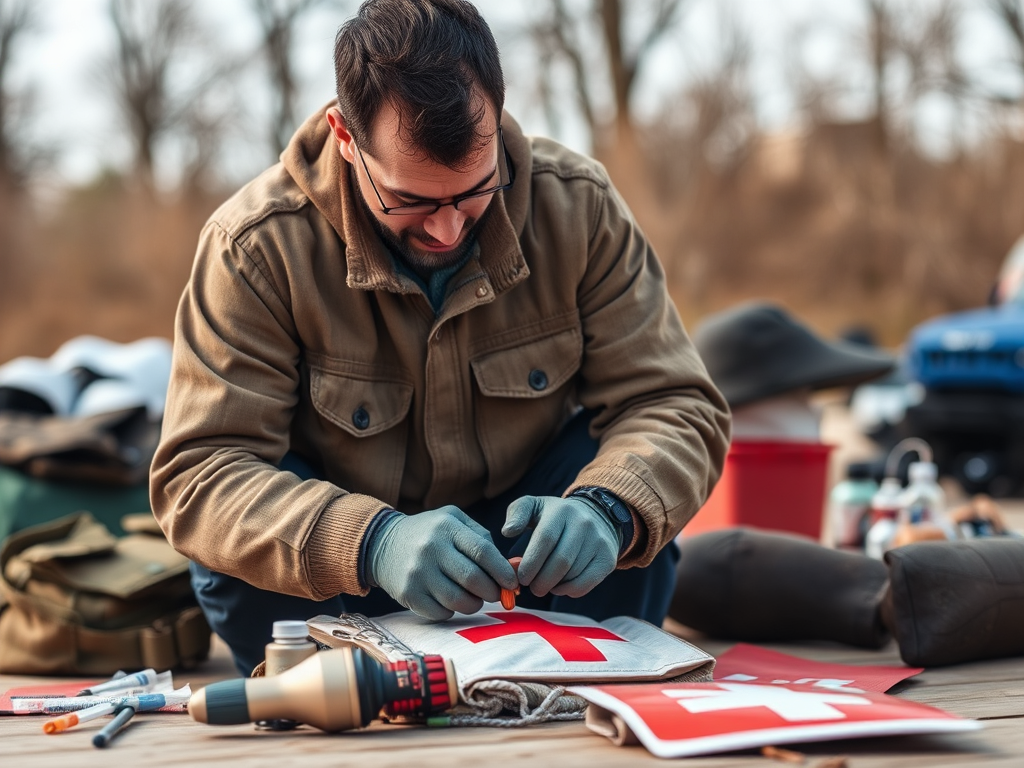
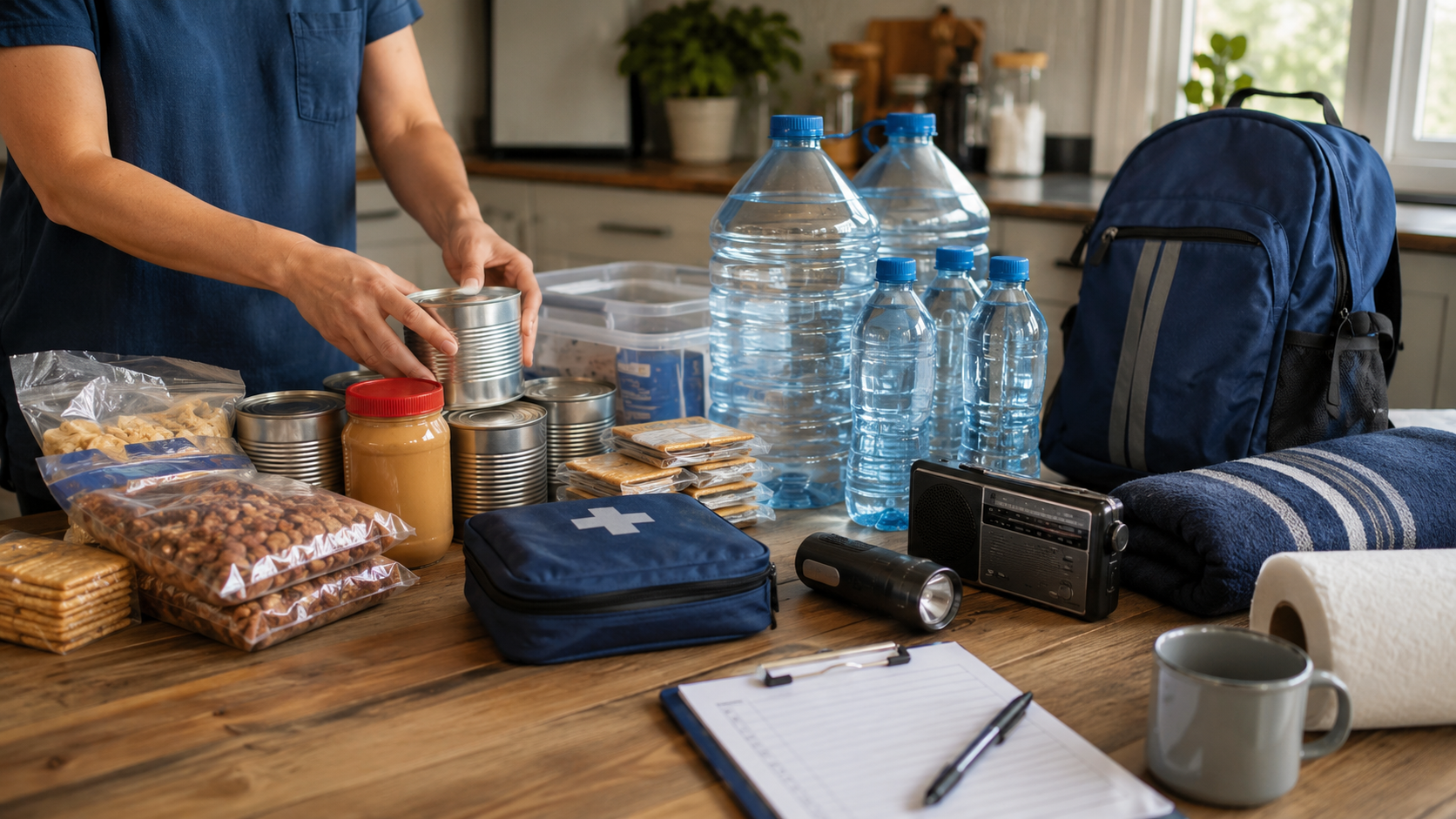
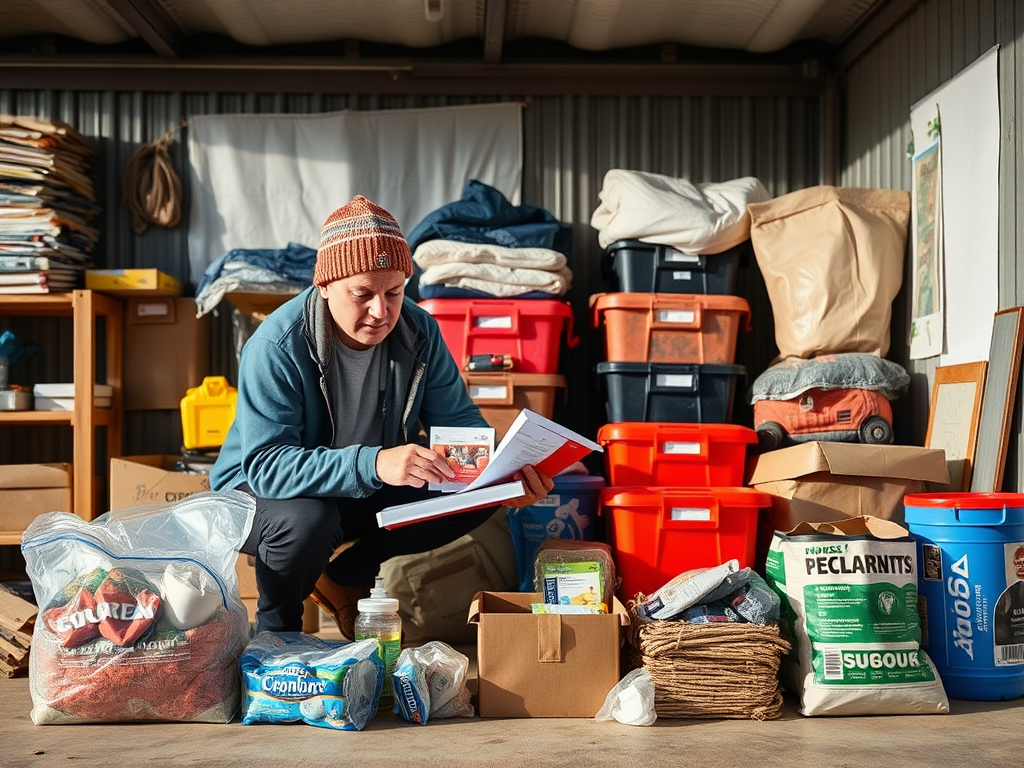
To identify weak points in your preparedness plan, start with a comprehensive assessment of your current readiness. This involves a detailed inventory of supplies, equipment, and personnel. Evaluate whether your supplies meet the needs of all potential emergencies and whether your communication systems are reliable and accessible.

Consider conducting a risk assessment to understand the specific threats your community faces. This information will help you prioritize resources and strategies that address the most pressing vulnerabilities. For instance, if flooding is a significant risk in your area, ensure that your supplies include adequate water purification methods and that your evacuation routes are well defined.

Regularly scheduled assessments are essential. Many people overlook the need for continuous evaluation, which can lead to outdated plans that do not reflect current realities. Consider using checklists or software tools designed for emergency preparedness to streamline this process.

Common Mistakes in Preparedness Plans

There are several common mistakes that can undermine the effectiveness of your preparedness plan. One major pitfall is failing to involve key stakeholders in the planning process. Collaboration with local authorities, community organizations, and emergency services can provide valuable insights and resources.

Another frequent error is neglecting to account for the unique needs of different demographics, such as children, the elderly, and individuals with disabilities. These groups may require specialized equipment or assistance during emergencies, and overlooking their needs can lead to significant gaps in your plan.

Moreover, many preparedness plans lack flexibility. Rigid plans that do not allow for adjustments based on real-time information can hinder effective responses. Ensure your plan includes contingencies for various scenarios and promotes adaptability.

Effective Solutions for Weak Points

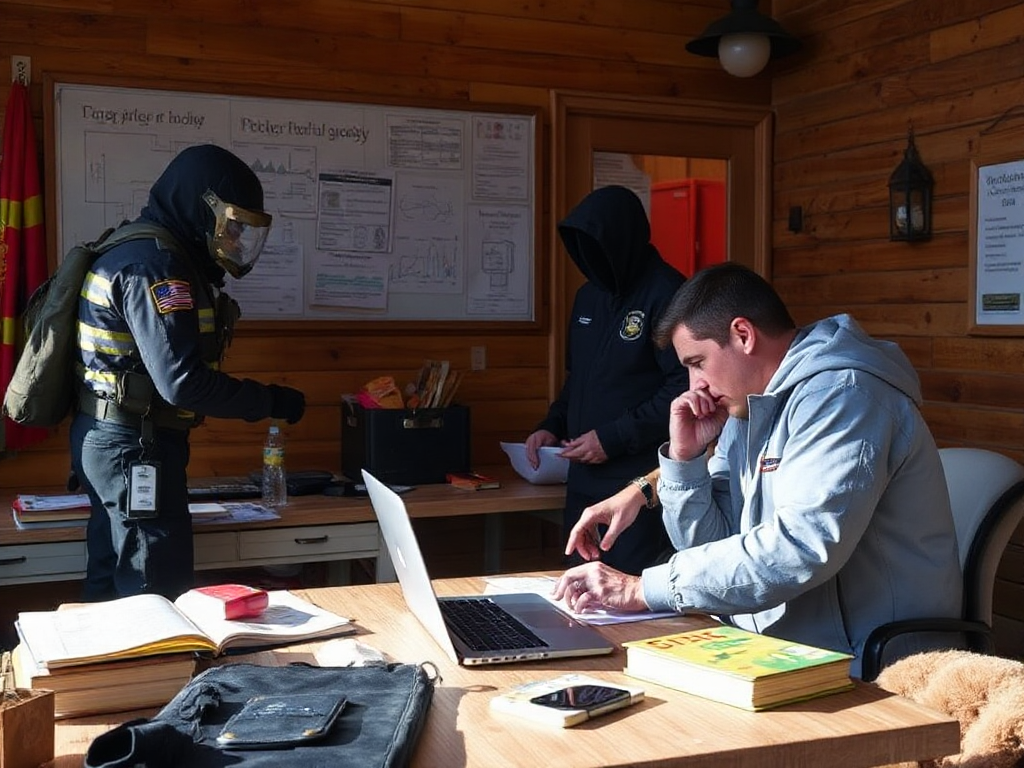
Addressing weak points in your preparedness plan requires a proactive approach. Start by integrating regular training sessions for all individuals involved in the plan’s execution. This ensures that everyone understands their roles and responsibilities during an emergency.

Incorporating technology can also enhance your preparedness. Utilize apps and software that facilitate communication and resource management during crises. For example, real-time messaging platforms can help coordinate responses and share critical information quickly.

Additionally, consider establishing partnerships with local organizations and businesses that can provide support during emergencies. These collaborations can strengthen your network and enhance resource availability, making your response efforts more robust.

Continuous Improvement and Training

Continuous improvement is vital for maintaining an effective preparedness plan. Regularly review and update your plan to reflect changes in resources, personnel, and community needs. Conduct after-action reviews following drills and real emergencies to identify what worked well and what needs improvement.

Training should not be a one-time event. Schedule ongoing training sessions and drills to ensure that all participants remain proficient in their roles. Consider varying the scenarios used in drills to expose participants to different challenges and enhance their problem-solving skills.

To wrap up, engage with your community to raise awareness about preparedness. Host workshops and informational sessions to educate others about the importance of preparedness and how they can contribute to collective resilience.

Further Reading

Authoritative Sources

  • Ready.gov
    ready.gov

    This site provides extensive resources for individuals and communities to improve their preparedness plans

Frequently Asked Questions

What are the first steps to assess my preparedness plan?

Start by inventorying your supplies, evaluating communication methods, and conducting a risk assessment of potential threats.

How often should I update my preparedness plan?

Review and update your plan at least annually or after any significant changes in resources or community risk factors.

What common mistakes should I avoid in my preparedness plan?

Avoid neglecting stakeholder input, failing to address the needs of vulnerable populations, and creating a rigid, inflexible plan.

How can technology improve my preparedness plan?

Utilize apps and communication platforms for real-time coordination and resource management during emergencies.

Why is continuous training important for preparedness?

Ongoing training ensures that all participants remain proficient and ready to respond effectively during emergencies.

What Are the Safest Ways to Store Emergency Fuel Indoors: Key Methods and Precautions

What Are the Safest Ways to Store Emergency Fuel Indoors: Key Methods and Precautions

Proper ventilation is critical when storing fuel indoors. This can be achieved by keeping windows slightly open or using exhaust fans to allow any potential fumes to dissipate. Additionally, avoid placing fuel near electrical outlets or appliances that generate heat, as this could lead to dangerous situations. Regularly inspecting the storage area for leaks and ensuring that the temperature remains stable will further enhance safety.

Many people overlook the importance of understanding local regulations regarding fuel storage. It’s essential to check for any restrictions on the type and amount of fuel that can be stored indoors. Furthermore, consider the potential risks associated with improper storage, such as fire or explosion, and take necessary precautions to mitigate these risks. Always prioritize safety when handling and storing fuel indoors.

Choosing the Right Containers

Selecting the appropriate containers for storing emergency fuel is paramount for safety. Always use containers that are specifically designed for fuel storage, such as those made from high-density polyethylene or metal. These materials are resistant to corrosion and minimize the risk of leaks.

Improper containers can lead to spills or vapor leaks, which pose serious fire risks. For example, using plastic containers that are not rated for fuel can result in degradation over time. Thus, it is essential to follow manufacturer guidelines and local regulations when selecting storage containers.

Additionally, ensure that containers are clearly labeled and stored in an upright position to prevent accidental tipping. Regularly check for signs of wear or damage and replace containers as necessary to maintain a safe storage environment.

Ventilation and Safety Measures

Proper ventilation is crucial when storing fuel indoors to prevent the accumulation of harmful vapors. Ideally, fuel should be stored in a well-ventilated area, such as a garage or shed that has adequate airflow. This helps disperse any fumes that may escape from the containers.

Moreover, installing a carbon monoxide detector in the storage area can provide an additional layer of safety, alerting you to any dangerous gas buildup. Additionally, implementing fire safety measures, such as having a fire extinguisher nearby and avoiding open flames, is essential for minimizing risks.

Many people overlook the importance of maintaining a consistent temperature in the storage area. Fluctuations in temperature can lead to pressure build-up within fuel containers. Therefore, store fuel in a climate-controlled environment whenever possible to ensure safety.

Regulatory Considerations

Understanding local regulations regarding fuel storage is critical. Many jurisdictions have specific guidelines about the quantity and type of fuel that can be stored indoors. These regulations are designed to enhance safety and minimize fire hazards.

For instance, some areas may limit the amount of fuel that can be kept in residential settings, while others may require specific types of containers. Failing to comply with these regulations can result in fines or, more importantly, unsafe storage practices that put lives at risk.

Check with local fire departments or regulatory agencies to ensure compliance with all applicable laws. Being proactive about understanding and following these regulations will help you store emergency fuel safely and legally.

Common Mistakes to Avoid

One common mistake people make is storing fuel in inappropriate locations, such as basements or near heat sources, which can increase the risk of fire. Always choose a cool, dry place away from any potential ignition sources.

Another mistake is neglecting to regularly inspect storage containers for leaks or damage. Regular checks can help catch issues early before they become dangerous. Additionally, many individuals underestimate the importance of proper labeling; clear labels help ensure that everyone in the household understands the risks associated with fuel storage.

In closing, avoid overstocking fuel, as this can exceed local regulations and increase the risk of fire hazards. Always adhere to recommended quantities and storage guidelines for safety.

Further Reading

Authoritative Sources

  • National Fire Protection Association
    nfpa.org

    This resource provides extensive information on fire safety regulations, including guidelines for storing flammable liquids

  • Environmental Protection Agency
    epa.gov

    Offers guidelines on hazardous materials, including proper storage practices for fuels

Frequently Asked Questions

What type of container is best for storing fuel indoors?

Approved fuel containers made from high-density polyethylene or metal are best for indoor storage, as they minimize leak risks and are designed for safety.

How often should I check my fuel storage?

Regular inspections should be conducted at least once a month to check for leaks, damage, or signs of wear on storage containers.

Can I store fuel in my basement?

It is generally not advisable to store fuel in basements due to potential fire risks and lack of ventilation. Opt for well-ventilated areas instead.

What should I do if I smell fuel?

If you smell fuel, immediately evacuate the area, ventilate it by opening windows, and contact emergency services to inspect the situation.

Are there regulations for indoor fuel storage?

Yes, local regulations often dictate the type and amount of fuel you can store indoors, so it’s essential to check with local authorities.

Conclusion

Storing emergency fuel indoors requires careful planning and adherence to safety guidelines. Always use approved containers, ensure proper ventilation, and be aware of local regulations. Regular inspections and understanding the common mistakes can significantly reduce risks associated with fuel storage. Prioritize safety by choosing appropriate storage locations and maintaining a consistent temperature to prevent hazards. By following these practices, you can effectively store emergency fuel indoors while minimizing potential dangers.

How to Prevent Dehydration During Emergency Situations: Key Strategies and Effective Hydration Sources

How to Prevent Dehydration During Emergency Situations: Key Strategies and Effective Hydration Sources

Understanding the causes of dehydration in emergencies is crucial. Factors such as high temperatures, physical exertion, and inadequate water supply can lead to rapid fluid loss. It’s important to monitor your hydration status regularly and to recognize early signs of dehydration, such as dry mouth, fatigue, and dizziness. Prioritizing water storage and ensuring access to hydration sources can significantly reduce the risk of dehydration.

In emergency situations, many people may overlook the importance of hydrating foods. Foods with high water content, like fruits and vegetables, can supplement your hydration efforts. Additionally, knowing how to purify water using methods like boiling, filtration, or chemical treatment can ensure you have safe drinking water available. Properly rationing your water supply and being conscious of your hydration needs can help sustain you through prolonged emergency situations.

Understanding Dehydration Risks in Emergencies

Dehydration poses a significant risk during emergencies due to various factors like environmental conditions and limited access to water. When faced with heat, stress, or physical activity, the body loses fluids more quickly than normal. Recognizing these factors is essential for effective hydration management.

In emergencies, individuals often underestimate their hydration needs, especially when engaged in strenuous activities. It’s advisable to drink water regularly, even if not feeling thirsty, to prevent dehydration from creeping up unnoticed. Additionally, children and the elderly are more susceptible to dehydration, making it imperative to monitor their fluid intake closely.

Furthermore, lack of awareness about the signs of dehydration can lead to serious health complications. Individuals should be educated about the symptoms and the importance of hydration to make informed decisions during emergencies. Ensuring everyone is aware of their hydration needs can enhance overall safety.

Effective Water Storage Techniques

Proper water storage is a fundamental strategy to prevent dehydration in emergencies. Storing sufficient quantities of water ahead of time can ensure you have access to hydration when needed most. Aim to store at least one gallon of water per person per day for at least three days.

Use food-grade containers to store water, ensuring they are clean and sealed tightly to prevent contamination. Regularly check and rotate your stored water supply to maintain its freshness. It’s also wise to label containers with the date of storage to keep track of freshness and usability.

In addition to stored water, consider collecting rainwater or using water from natural sources, but be aware of potential contaminants. Always have purification methods ready to ensure that any water collected is safe for consumption. This proactive approach to water storage can significantly reduce the risk of dehydration.

Hydrating Foods to Consider

In emergency situations, hydrating foods can significantly complement your water intake. Foods with high water content, such as cucumbers, watermelon, oranges, and celery, can help maintain hydration levels. Incorporating these foods into your diet can provide essential fluids, especially when water is scarce.

Additionally, choosing foods that are rich in electrolytes, like bananas and coconut water, can help replenish lost minerals and enhance hydration. These foods can be particularly beneficial when sweating or experiencing physical exertion during an emergency.

Moreover, it’s crucial to avoid dehydrating foods, such as those high in sugar or caffeine, as they can exacerbate fluid loss. Prioritizing hydrating foods can be a strategic approach to maintaining hydration during challenging times.

Water Purification Methods

Knowing how to purify water is vital for preventing dehydration, especially when access to clean water is compromised. Various methods can be employed, including boiling, filtration, and chemical treatment.

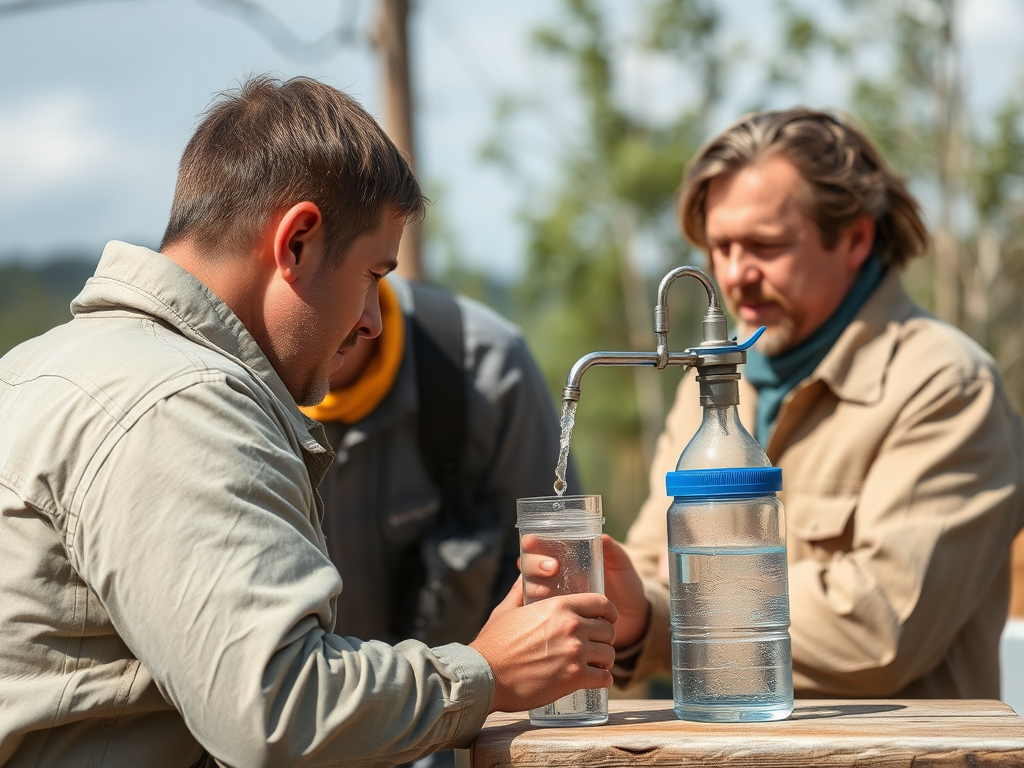
Boiling water for at least one minute (or three minutes at higher altitudes) effectively kills most pathogens and makes it safe to drink. Alternatively, water filters can remove contaminants, making them a practical solution for emergency situations. Ensure the filter is rated for viruses and bacteria for maximum effectiveness.

Chemical treatments, such as iodine or chlorine tablets, can also disinfect water. However, it’s important to follow instructions carefully, as improper use can lead to ineffective purification. Whichever method you choose, understanding and preparing for water purification will ensure safe drinking water when it’s needed most.

Recognizing and Responding to Dehydration Symptoms

Recognizing the symptoms of dehydration early is crucial for effective intervention. Common signs include dry mouth, fatigue, dizziness, and dark yellow urine. Being aware of these symptoms can prompt individuals to take action before dehydration becomes severe.

When dehydration symptoms are detected, immediate action should be taken to rehydrate. Start by drinking small sips of water or consuming hydrating foods. Avoid overloading on fluids at once, as it can lead to discomfort and may not be effectively absorbed.

Additionally, if symptoms persist or worsen, seek medical attention as severe dehydration can lead to serious health complications. Understanding how to recognize and respond to dehydration is essential for maintaining health and safety during emergencies.

Further Reading

Authoritative Sources

  • CDC: Cleaning and Sanitizing Water
    cdc.gov

    This resource provides crucial information on how to ensure safe drinking water during emergencies

  • American Red Cross: Water Needs
    redcross.org

    Guidance on water storage, purification, and hydration needs in emergencies

  • WHO: Drinking Water
    who.int

    Information on the importance of safe drinking water and health implications of dehydration

Frequently Asked Questions

What are the early signs of dehydration?

Early signs of dehydration include dry mouth, fatigue, dizziness, and dark yellow urine. Recognizing these symptoms early can help prompt rehydration efforts.

How much water should I store for emergencies?

It’s recommended to store at least one gallon of water per person per day for at least three days to ensure adequate hydration during emergencies.

What foods can help with hydration?

Foods with high water content, such as cucumbers, watermelon, oranges, and celery, can significantly help maintain hydration levels.

How can I purify water in emergencies?

Water can be purified by boiling, using filters, or chemical treatments like iodine tablets. Each method has specific instructions for safe use.

What should I do if someone shows severe dehydration symptoms?

If severe dehydration symptoms occur, seek medical attention immediately, as it can lead to serious health complications.

Conclusion

Preventing dehydration during emergency situations requires proactive planning and awareness. By storing adequate water, incorporating hydrating foods, and knowing purification methods, you can maintain hydration levels effectively. Recognizing the early signs of dehydration and responding promptly is crucial for health and safety. Make hydration a priority in your emergency preparedness plans to ensure you are ready for any situation that may arise.

What Are the Safest Ways to Store Emergency Fuel Indoors: Key Methods and Precautions

What Are the Most Valuable Barter Items During Disasters: Essential Goods for Survival and Trade

Understanding the specific needs of your community during a disaster can help prioritize which barter items to stock up on. Food and clean water are paramount, as they are necessary for survival. Medical supplies can prevent infections and treat injuries, while tools can assist in repairs and shelter building. Batteries and hygiene products are also vital, as they contribute to health and well-being during prolonged emergencies.

One common mistake people make is underestimating the value of less obvious items. While food and water are critical, items like batteries or personal hygiene products can become highly sought after. Additionally, being aware of the trade dynamics in your area can inform what items to keep on hand, ensuring you are prepared to barter effectively.

Food and Water: The Cornerstones of Barter

Food and clean water are universally recognized as the most critical barter items during disasters. These resources are not only essential for survival but also serve as the foundation for any barter economy in a crisis. Non-perishable foods, such as canned goods, dried fruits, and grains, are particularly valuable as they have a longer shelf life and can be easily stored.

When considering what food items to stockpile, prioritize those that are nutrient-dense and easy to prepare. Clean water, either bottled or through purification methods, is vital as access to safe drinking water can be severely compromised during disasters. communities will lack sufficient resources, making these items highly sought after.

A common pitfall is hoarding large quantities of food without considering variety. Ensuring a diverse stock of food can make barter more appealing to others, fostering community cooperation. Additionally, having methods for water purification can enhance your barter value, as access to clean water is often scarce.

Medical Supplies: Lifesaving Items in Demand

Medical supplies rank high among barter items due to their critical role in maintaining health during disasters. Essential items include first aid kits, over-the-counter medications, antiseptics, and prescription medications. These items can be lifesaving and are often in high demand when healthcare access is limited.

When preparing for potential barter situations, ensure your medical supplies are well-stocked and organized. Familiarize yourself with basic first aid procedures to enhance your value as a barterer. Additionally, consider the needs of your community; specific medications or supplies may be more valuable depending on local health issues.

However, a common mistake is overlooking the expiration dates on medical supplies. Regularly check and rotate your stock to ensure that you have effective items when needed. This proactive approach can significantly enhance your bargaining power.

Tools and Equipment: Practical Barter Goods

Tools and equipment can be incredibly valuable during disasters, particularly for those involved in rebuilding efforts or repairs. Items such as hand tools, generators, and camping gear can be essential for survival and recovery. They facilitate the construction of shelters, food preparation, and energy needs.

When selecting tools for barter, focus on multipurpose items that can serve various functions. For example, a multi-tool or a reliable flashlight can be more valuable than single-purpose items. These tools not only aid in personal survival but can also be traded with others for essential goods.

It’s important to note that many people overlook the value of smaller hand tools, thinking only of larger equipment. However, in a community setting, even small tools can be crucial for cooperative projects, making them highly desirable in barter situations.

Hygiene Products: Essential for Health

Personal hygiene products, including soap, toothpaste, menstrual products, and sanitizers, are often undervalued during disasters. Maintaining hygiene is crucial for preventing illness, making these items essential for health and survival. As communities struggle with limited resources, hygiene products can become highly sought after.

Incorporating hygiene products into your barter supplies can enhance your overall preparedness. Consider stocking up on items that have a longer shelf life, such as bar soap and toothpaste, as well as essential items like feminine hygiene products that may be in higher demand.

A common oversight is neglecting to include hygiene products in emergency kits. By being proactive and ensuring a diverse range of hygiene supplies, you can improve your chances of successful bartering when the need arises.

Batteries and Fuel: Powering Survival

Batteries and fuel sources are critical barter items, especially for powering devices and providing energy for cooking and heating. In a disaster scenario, access to electricity may be compromised, making alternative energy sources like batteries and fuel highly valuable.

When preparing for potential bartering, consider both rechargeable and disposable batteries, as well as various fuel types for cooking equipment. Keeping a stock of batteries for common devices, such as flashlights and radios, can be particularly advantageous.

People often underestimate the importance of having multiple energy sources. Diversifying your energy supplies can ensure you are prepared for different scenarios, increasing your overall barter value.

Further Reading

Authoritative Sources

  • Ready.gov
    ready.gov

    This resource provides information on emergency preparedness, including essential supplies for disasters

  • Red Cross Emergency Preparedness
    redcross.org

    Offers comprehensive guidelines on preparing for disasters, including lists of valuable barter items

  • CDC Disaster Preparedness
    cdc.gov

    A reliable source for health-related disaster preparedness, including medical supplies and hygiene products

Frequently Asked Questions

What are the top barter items to have during a disaster?

The top barter items include food, clean water, medical supplies, tools, batteries, and personal hygiene products.

How can I prepare my barter supplies?

Focus on stocking essential goods like food, water, medical supplies, and hygiene products, ensuring they have varied uses and long shelf lives.

Why are hygiene products important for bartering?

Hygiene products are crucial for health and can prevent illness, making them highly valuable when resources are limited during disasters.

What mistakes should I avoid when bartering?

Avoid hoarding one type of item; instead, maintain a diverse stock to meet various community needs and enhance your barter appeal.

How can I ensure my medical supplies are effective?

Regularly check expiration dates and rotate stock to ensure that you have usable medical supplies when needed.

What Are the Safest Ways to Store Emergency Fuel Indoors: Key Methods and Precautions

What Are the Benefits of Community Based Preparedness Plans: Enhancing Resilience and Response Strategies

One of the primary advantages of community-based preparedness plans is the enhanced collaboration they foster among residents. By involving various stakeholders, such as local organizations, schools, and businesses, communities can create a network of support that is activated during emergencies. This collaborative approach not only improves resource allocation but also builds trust among community members, which is crucial during high-stress situations.

Additionally, these plans often lead to better training and education for community members. When residents are actively involved in preparedness activities, they gain valuable skills and knowledge that can save lives during a crisis. However, it is essential to recognize that the effectiveness of these plans relies on ongoing participation and commitment from the community, which can sometimes wane over time.

The Importance of Local Engagement

Local engagement is a cornerstone of effective community-based preparedness plans. When residents participate in the planning process, they are more likely to understand the risks they face and the resources available to them. This knowledge empowers individuals to take proactive measures in their own households, ultimately leading to a more prepared community.

Moreover, local engagement fosters a sense of ownership over preparedness efforts. When individuals feel invested in the planning process, they are more likely to participate in drills and training sessions, which enhances overall readiness. However, it is crucial to ensure that engagement efforts are inclusive, reaching out to marginalized groups who may otherwise be overlooked.

Communities that prioritize local engagement also tend to develop stronger social ties. These connections can be invaluable during emergencies, as neighbors are often the first to respond and provide assistance. Prioritizing engagement means creating forums for open dialogue, where residents can voice their concerns and contribute to the planning process.

Improving Response Times

Community-based preparedness plans can significantly improve response times during emergencies. By establishing clear roles and responsibilities within the community, residents can act swiftly and efficiently when disasters occur. This proactive approach minimizes confusion and ensures that resources are utilized effectively.

Additionally, local networks can facilitate quicker communication during crises. When community members are trained in emergency protocols, they can relay critical information to one another and coordinate response efforts. This rapid communication is vital in mitigating the impact of disasters and ensuring that help reaches those in need without delay.

However, it is essential to regularly test and update these communication channels to ensure they remain effective. Communities should conduct drills and simulations to identify potential weaknesses in their response strategies. By doing so, they can refine their plans and enhance their overall readiness.

Building Community Resilience

Community resilience is the ability of a community to withstand and recover from adverse situations. Community-based preparedness plans play a critical role in building this resilience by equipping residents with the knowledge and resources they need to face challenges head-on. Education and training initiatives are key components of this strategy.

By providing training on disaster response, first aid, and resource management, communities can empower their members to take action in emergencies. This empowerment fosters a culture of resilience, where individuals are not only prepared for crises but are also willing to support one another during difficult times. However, it is important to recognize that resilience-building is an ongoing process that requires continuous effort and adaptation.

Furthermore, communities should prioritize mental health resources as part of their preparedness plans. Emotional and psychological support can be just as critical as physical resources during and after a disaster. Addressing mental health needs ensures that community members can recover holistically, and feel supported in their recovery efforts.

Challenges in Implementation

Despite the numerous benefits of community-based preparedness plans, challenges often arise during implementation. One significant obstacle is securing funding and resources for training and educational programs. Communities may struggle to allocate sufficient budgets for preparedness initiatives, which can hinder their effectiveness.

Moreover, maintaining engagement over time can be difficult. Initial enthusiasm may wane as time passes, leading to decreased participation in training exercises and community meetings. To combat this, communities should implement ongoing outreach strategies that keep preparedness at the forefront of residents’ minds.

To wrap up, it is crucial to ensure that all community members feel included in the planning process. Marginalized groups may face barriers to participation, and it is essential to address these issues to develop truly inclusive preparedness plans. This can involve providing resources in multiple languages, offering transportation assistance, or creating accessible meeting spaces.

Further Reading

Authoritative Sources

  • Community Preparedness
    ready.gov

    This resource provides guidelines and tools for communities to enhance their preparedness efforts

  • FEMA Community Preparedness
    fema.gov

    FEMA offers comprehensive resources for community-based emergency management and preparedness

  • American Red Cross: How to Prepare for Emergencies
    redcross.org

    A practical guide on emergency preparedness that includes community-focused strategies

Frequently Asked Questions

What is community-based preparedness?

Community-based preparedness involves engaging local residents in the planning and execution of emergency response strategies tailored to their specific needs.

How can community members contribute to preparedness plans?

Community members can participate by sharing their knowledge, attending training sessions, and volunteering for roles in emergency response efforts.

What are common challenges in implementing these plans?

Common challenges include securing funding, maintaining engagement over time, and ensuring inclusivity among diverse community members.

Why is communication important in community preparedness?

Effective communication ensures that all community members are informed about risks, resources, and response protocols, facilitating a coordinated response during emergencies.

How can communities sustain interest in preparedness initiatives?

Communities can sustain interest through regular outreach, ongoing training opportunities, and by celebrating successes in preparedness efforts to keep engagement high.

Conclusion

All in all, community-based preparedness plans are vital for enhancing resilience and ensuring effective responses to emergencies. By fostering local engagement, improving response times, and building a culture of resilience, communities can better equip themselves for the challenges they face. It is essential to address implementation challenges, maintain ongoing participation, and ensure inclusivity to maximize the effectiveness of these plans. Communities should prioritize continuous education and training to adapt to evolving risks, ensuring that they are prepared for any situation that may arise.