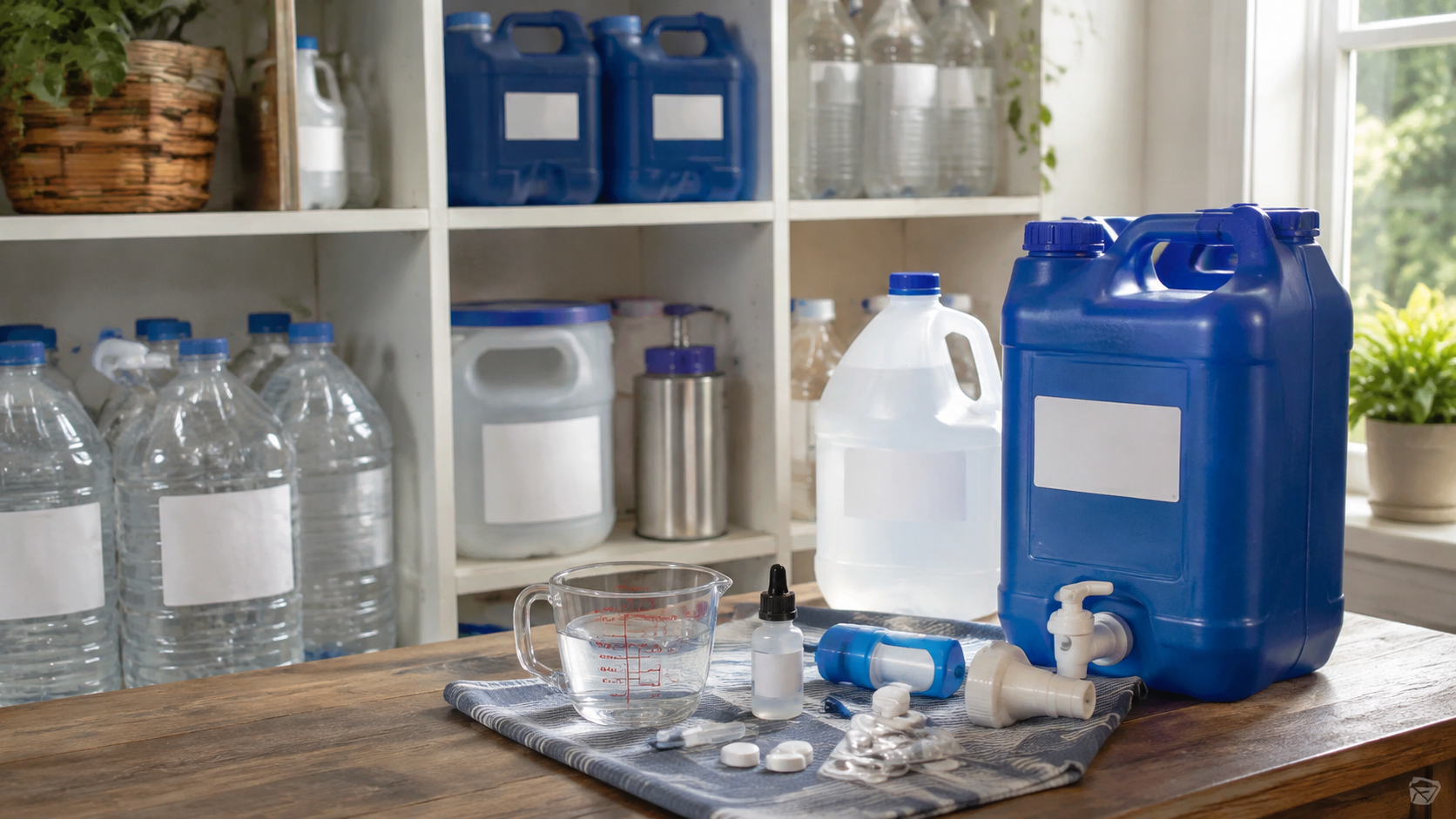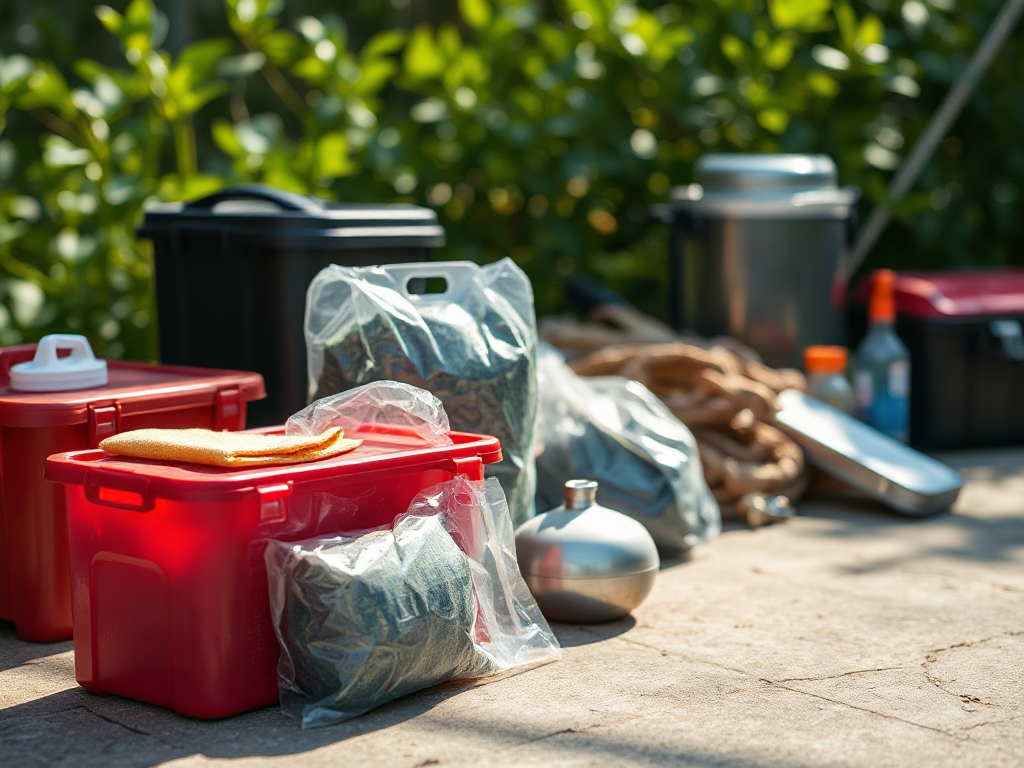
Understanding the implications of rapidly dwindling emergency supplies is crucial for communities and individuals alike. The unexpected shortage can lead to heightened anxiety and chaos, making it essential to implement strategies for resource management. Prioritizing the most vulnerable populations and ensuring they receive adequate support can mitigate the risk of widespread panic and unrest. Moreover, clear communication and cooperation among community members can enhance resilience in the face of such challenges.
A common mistake in emergency planning is underestimating the speed at which supplies can be consumed. Individuals and organizations often assume a steady rate of usage based on past experiences, which may not hold true in crises. Factors such as the scale of the emergency, the number of affected individuals, and the duration of the crisis can significantly alter consumption rates. Therefore, it is vital to regularly reassess inventory levels and adjust strategies accordingly.
Identifying Critical Supplies
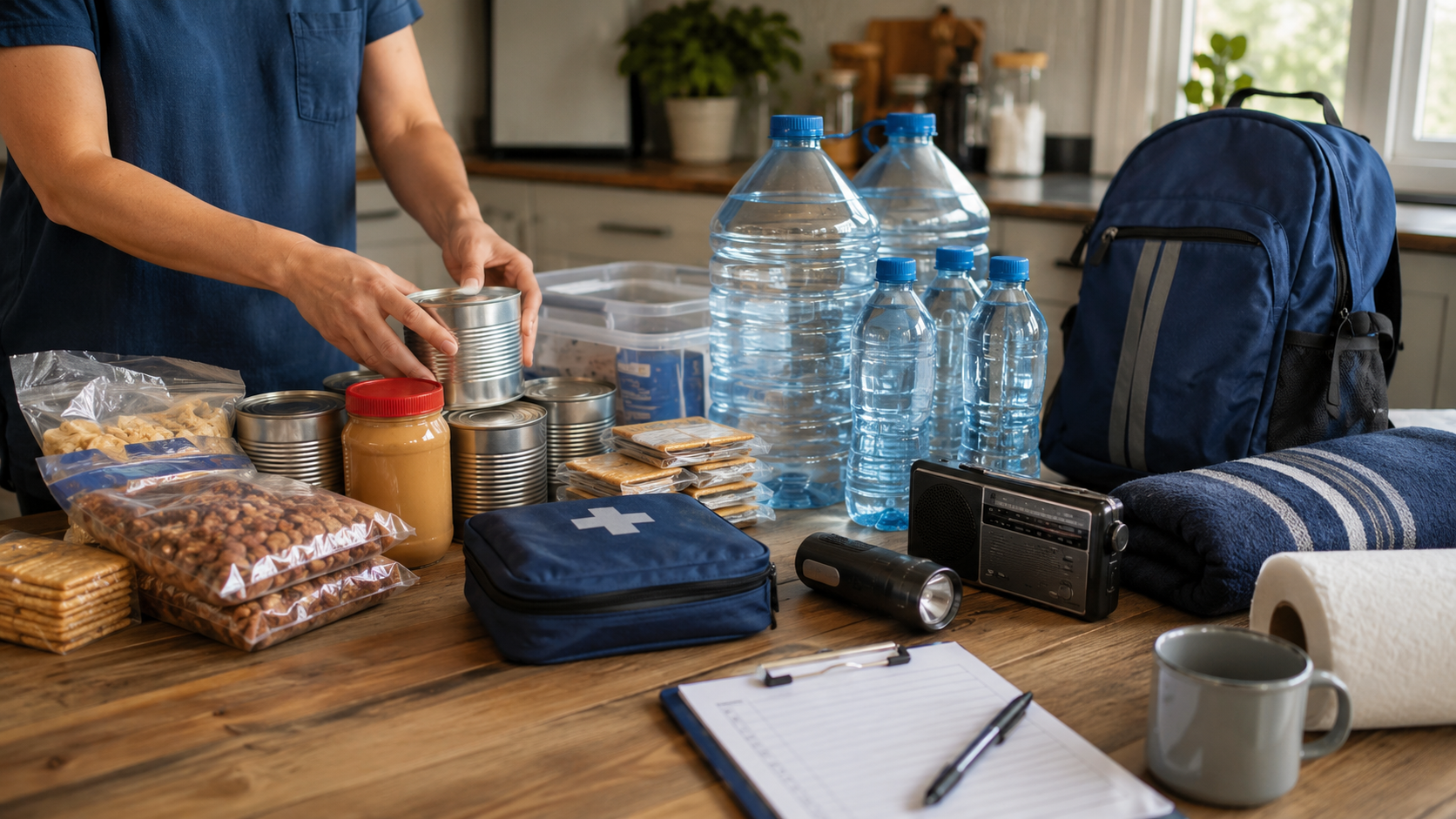
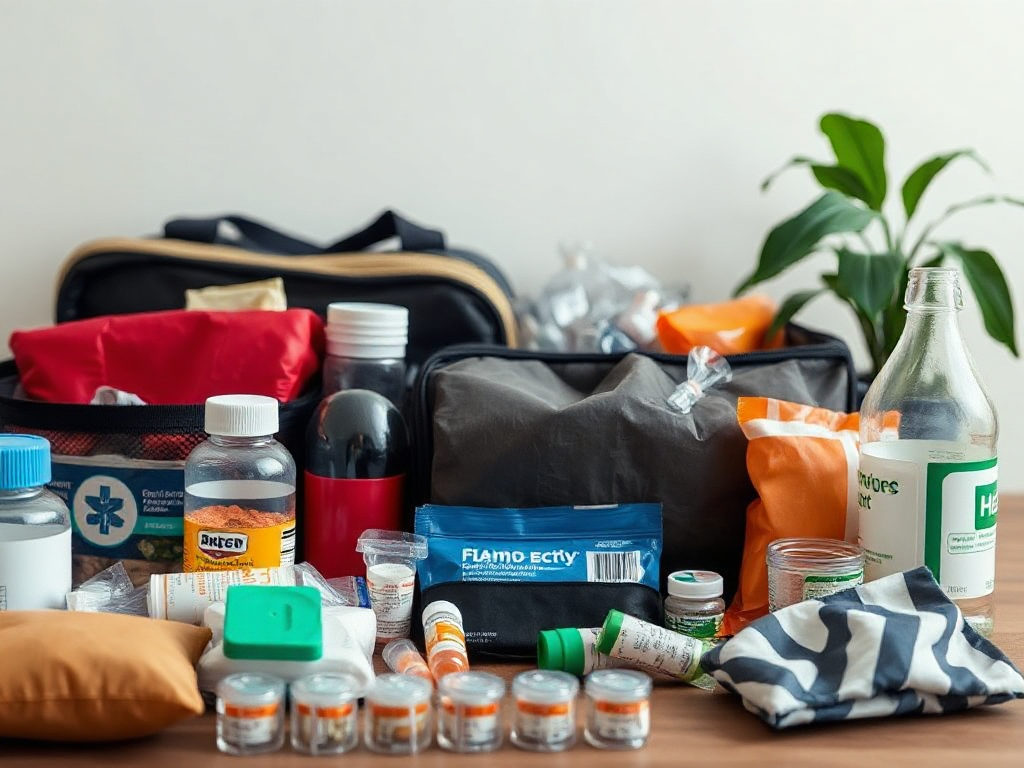
Identifying which supplies are critical during an emergency is the first step in effective resource management. These typically include food, water, medical supplies, and sanitation products. Understanding the specific needs of your community can help prioritize which items to stockpile and distribute first.
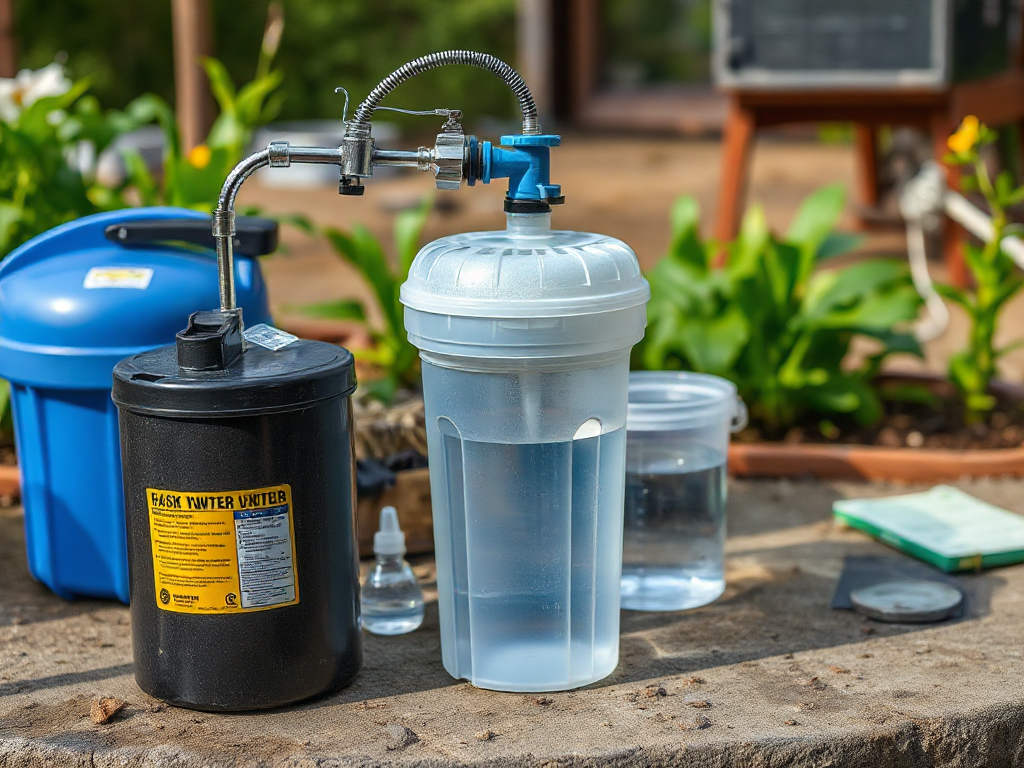
In emergencies, food and water are often the most critical supplies. Without adequate food and clean water, survival becomes increasingly difficult. Communities should assess their needs based on population size and vulnerability, ensuring that the most at-risk individuals receive priority access to these essentials. This prioritization can help prevent severe health issues and maintain public order.
Additionally, communities should regularly evaluate their supply stockpiles and adjust their strategies based on changing needs and circumstances. Keeping an accurate inventory can help prevent over-reliance on any single resource and encourage diversification in emergency planning.
Establishing Community Resilience
Building community resilience is essential when facing the possibility of supply shortages. A resilient community can better withstand the stresses associated with rapid supply depletion by fostering cooperation and resource-sharing among its members.
Community resilience can be developed through preparedness training programs, regular emergency drills, and establishing networks of support among residents. These initiatives can enhance communication, ensuring that all members are aware of available resources and how to access them. This proactive approach not only strengthens community ties but also prepares individuals to react calmly and effectively in a crisis.
Moreover, engaging local businesses in emergency planning can create additional supply channels. Businesses often have resources and logistics capabilities that can be leveraged for community support during emergencies, making partnerships a critical component of building resilience.
Managing Resources Effectively
Effective resource management during an emergency can determine the difference between chaos and order. When supplies run out faster than expected, implementing strict rationing and distribution protocols becomes essential.
Establishing a clear distribution plan can help ensure that resources are allocated fairly and efficiently. This plan should include criteria for prioritizing recipients based on need, such as age, health conditions, or household size. Transparency in the distribution process can also build trust within the community and reduce tensions.
It’s crucial to involve local leaders and organizations in the resource management process. These stakeholders can help coordinate efforts, prevent duplication of services, and provide valuable insights into community dynamics. Additionally, regularly updating the community on resource availability can help manage expectations and reduce anxiety.
Addressing Psychological Impacts
Beyond physical supplies, the psychological impact of running out of emergency resources faster than expected can be significant. Anxiety, fear, and uncertainty can lead to panic behaviors, which may worsen the situation.
Providing mental health support during emergencies is vital. Communities should ensure that mental health resources are accessible and that individuals know where to seek help. This support can include counseling services, peer support groups, or community-led workshops focused on coping strategies.
Moreover, fostering open lines of communication can help alleviate fears and misinformation. Regular updates about the situation, available resources, and support mechanisms can empower individuals and reduce feelings of helplessness.
Further Reading
Authoritative Sources
Ready.gov ready.gov
This resource provides comprehensive guidance on emergency preparedness and planning
CDC Disaster Preparedness cdc.gov
The CDC offers valuable information on how to prepare for and respond to various disasters
American Red Cross redcross.org
This site includes resources for creating emergency plans and understanding disaster response
Frequently Asked Questions
What are the first actions to take when supplies run low?
Immediately assess current inventory and prioritize distribution to vulnerable populations while exploring alternative supply sources.
How can communities prepare for unexpected shortages?
Communities can conduct drills, develop resource-sharing networks, and maintain clear communication channels to enhance preparedness.
What psychological impacts should be addressed during shortages?
Communities should provide mental health resources and maintain transparent communication to alleviate anxiety and misinformation.
How can resource distribution be managed effectively?
Establish clear protocols for prioritizing recipients based on need and ensure transparency in the distribution process.
What role do businesses play in emergency planning?
Local businesses can provide logistical support and resources, making them valuable partners in community emergency preparedness efforts.
It is crucial to prioritize these testing methods as they not only reveal weaknesses in your preparedness but also help build team cohesion and confidence. A well-tested plan can significantly reduce response times and improve outcomes during actual emergencies. Common mistakes include neglecting to update plans based on test outcomes and failing to involve all relevant stakeholders, which can lead to gaps in knowledge and execution.
Moreover, testing should be continuous rather than a one-time effort. Regular assessments allow for the integration of new information, technology, and best practices. Many organizations overlook the importance of feedback after each test, which can provide valuable insights into what worked well and what needs improvement. By fostering a culture of preparedness that includes frequent testing and updates, you can ensure that your plan remains robust and effective.
Conducting Regular Drills
Regular drills are essential for testing your preparedness plan. They provide an opportunity for team members to practice their roles and become familiar with emergency protocols. These drills can range from simple fire drills to complex active shooter simulations, depending on the potential threats your organization faces.
When implementing these drills, it is vital to create a realistic environment that mimics actual conditions as closely as possible. This helps team members react appropriately under pressure. Additionally, debriefing after drills allows for reflection on performance and identification of areas for improvement. A common pitfall is to conduct drills without follow-up discussions, which can lead to repeated mistakes in future scenarios.
Moreover, consider the frequency and variety of drills. Conducting different types of drills throughout the year can prepare your team for a range of emergencies. Organizations that only perform annual drills may find their team unprepared when an actual crisis occurs, emphasizing the need for ongoing practice.
Tabletop Exercises for Strategic Planning
Tabletop exercises are another effective method for testing a preparedness plan. These sessions involve gathering key stakeholders to discuss their roles during a simulated emergency scenario. Unlike physical drills, tabletop exercises focus on critical thinking, communication, and decision-making processes.
During these exercises, participants can explore various scenarios and their potential impacts, which helps refine strategies and response plans. It’s important to encourage open dialogue and allow participants to express concerns or suggestions. A frequent mistake is to rush through these discussions without allowing enough time for thorough exploration of each scenario.
Incorporating feedback from tabletop exercises into your preparedness plan can significantly enhance its effectiveness. Ensure that you document findings and adjustments to the plan based on the outcomes of these exercises, fostering a culture of continuous improvement.
Scenario Evaluations and Real-World Testing
Scenario evaluations provide a critical opportunity to test your preparedness plan against real-world conditions. This method involves analyzing past emergencies or hypothetical situations to assess the effectiveness of your response strategies. By evaluating how your team would react in various scenarios, you can identify potential weaknesses in your plan.
To conduct effective scenario evaluations, it is essential to involve all relevant stakeholders and simulate realistic conditions. This approach helps ensure that everyone understands their roles and responsibilities. A common oversight is to create scenarios that are too far-fetched, which may not provide useful insights into actual preparedness.
Moreover, after conducting these evaluations, it’s vital to review the outcomes and implement necessary changes to your plan. Many organizations fail to update their preparedness strategies based on lessons learned from evaluations, which can lead to repeating past mistakes in real emergencies.
Further Reading
Authoritative Sources
Ready.gov ready.gov
This government resource provides comprehensive information on emergency preparedness and drills
FEMA fema.gov
Offers guidelines and resources for testing and evaluating emergency preparedness plans
Frequently Asked Questions
How often should I test my preparedness plan?
Your preparedness plan should be tested at least twice a year, with different types of drills and tabletop exercises to ensure comprehensive coverage.
What should I include in a drill?
Include a clear scenario, designated roles, communication protocols, and a debriefing session to assess performance and identify improvements.
Can tabletop exercises replace physical drills?
No, while tabletop exercises are valuable for strategic planning, they should complement physical drills rather than replace them.
What common mistakes should I avoid?
Avoid neglecting to update your plan based on feedback, conducting unrealistic scenarios, and failing to involve all relevant stakeholders.
How can I ensure my team is prepared?
Regularly conduct varied drills, engage in tabletop exercises, and encourage open communication about roles and responsibilities during emergencies.
Conclusion
To effectively test your preparedness plan, focus on a combination of regular drills, tabletop exercises, and scenario evaluations. Each method provides unique insights into your team’s readiness and the plan’s effectiveness. Prioritize continuous improvement by incorporating feedback and updating your strategies based on lessons learned. This proactive approach will enhance your organization’s overall preparedness, ensuring that your team is ready to respond effectively in real emergencies.
individuals and communities underestimate the importance of a proactive security strategy during emergencies. The stakes are significant; without proper planning, the risk of theft, violence, or other safety concerns can escalate. It is critical to evaluate your environment, identify potential risks, and take actionable steps to mitigate those risks effectively.
Common mistakes include neglecting to prepare for communication disruptions and failing to educate community members about safety protocols. Establishing a clear communication strategy ensures that everyone is informed and can respond appropriately. Additionally, being aware of local resources and support systems can provide essential assistance during a prolonged crisis.
Assessing Vulnerabilities in Your Environment
Identifying vulnerabilities is the first crucial step in maintaining security during emergencies. This involves evaluating your surroundings for potential threats, such as crime hotspots or areas prone to natural disasters. Understanding these vulnerabilities allows you to prioritize security measures effectively.
For instance, if your neighborhood has a history of looting during emergencies, it may be wise to reinforce physical barriers or establish a neighborhood watch. Recognizing the specific threats you face enables you to allocate resources more effectively and create a tailored security strategy.
Moreover, many people overlook the importance of assessing their own homes. Regularly checking locks, securing windows, and ensuring that outdoor lighting is functional can deter opportunistic crimes. An effective security assessment should include both community and personal safety measures.
Establishing a Communication Plan
A well-structured communication plan is vital for maintaining security during prolonged emergencies. It ensures that all relevant parties are informed and coordinated in their response efforts. This plan should detail how information will be shared, who the key contacts are, and what communication methods will be used.
Consider incorporating multiple communication channels, such as text alerts, social media groups, and traditional phone trees. This redundancy is essential; during emergencies, certain communication methods may fail or become unreliable. Establishing a clear chain of command can also enhance coordination and reduce confusion.
Furthermore, it is important to regularly practice and update this communication plan. Conducting drills can help ensure that everyone knows their roles and responsibilities, thereby improving overall preparedness and response efficiency.
Implementing Physical Security Measures
Physical security measures are essential for protecting property and individuals during emergencies. This includes securing entry points, installing security cameras, and utilizing alarm systems. Each of these measures plays a role in deterring potential threats and providing peace of mind.
For example, motion-activated lights can illuminate dark areas, making them less appealing to intruders. Additionally, reinforcing doors and windows can slow down or prevent unauthorized access. These physical barriers are particularly critical during prolonged emergencies when law enforcement resources may be stretched thin.
Moreover, regular maintenance of these systems is crucial. Ensure that alarms are functional and that cameras are positioned correctly to monitor vulnerable areas. Neglecting these systems can lead to gaps in security during critical times.
Community Engagement and Education
Community engagement is a powerful tool in maintaining security during prolonged emergencies. By fostering a sense of community and shared responsibility, individuals can work together to enhance overall safety. This can include organizing local meetings to discuss security concerns or forming community patrols.
Education is equally important; teaching community members about emergency preparedness and security measures can empower them to take action. Workshops or informational sessions can cover topics such as basic self-defense, first aid, and crisis communication. Engaging local law enforcement or emergency services in these efforts can further strengthen community ties and resources.
Ultimately, a well-informed and connected community is better equipped to respond effectively during emergencies. The collective knowledge and vigilance of community members can significantly enhance security and resilience.
Further Reading
Authoritative Sources
Ready.gov ready.gov
A comprehensive resource for emergency preparedness, including security measures and communication strategies
CDC Emergency Preparedness cdc.gov
Information on public health emergencies, including maintaining safety and security during crises
Red Cross Emergency Preparedness redcross.org
Guidance on preparing for various emergencies, with an emphasis on safety and security
Frequently Asked Questions
What are the first steps to take for security during an emergency?
The first steps include assessing vulnerabilities in your environment, establishing a communication plan, and implementing physical security measures to protect your space.
How can I improve communication within my community during emergencies?
Establish a communication plan that utilizes multiple channels such as text alerts, social media, and phone trees to ensure everyone stays informed.
What physical security measures should I implement?
Consider securing entry points, installing security cameras, and using alarm systems. Regular maintenance of these systems is essential for effective security.
How can community engagement enhance security?
Engaging the community fosters shared responsibility, allowing individuals to work together on safety initiatives, such as organizing patrols and educational workshops.
What common mistakes should be avoided in emergency security planning?
Common mistakes include neglecting communication plans, failing to assess vulnerabilities, and not educating community members about emergency protocols.
Conclusion
Ultimately, maintaining security during prolonged emergencies requires a proactive approach that encompasses assessing vulnerabilities, establishing effective communication, and implementing robust physical security measures. Community engagement and education further enhance preparedness and resilience. By prioritizing these elements, individuals and communities can significantly improve their security posture and respond more effectively to emergencies. Taking action now ensures that when a crisis occurs, you are not only prepared but also capable of protecting yourself and your community.
In such scenarios, gathering accurate information is critical. Rely on local news, community bulletins, and official announcements to stay updated. Misunderstandings can lead to unnecessary panic or complacency. It’s also important to connect with your neighbors; a united community can share resources, watch out for one another, and formulate collective safety plans. Often, individuals underestimate the power of community solidarity in enhancing safety during uncertain times.
Furthermore, common mistakes include ignoring warning signs or failing to prepare adequately. Many residents may feel a sense of invulnerability, thinking that unsafe conditions will not affect them directly. This mindset can lead to inadequate preparation, making individuals more vulnerable. Prioritizing safety means being proactive—create an emergency plan, establish communication lines with family and friends, and ensure you have essential supplies ready.
Assessing the Risks in Your Area
Understanding the types of risks present in your neighborhood is the first step in ensuring safety. Crime statistics, local news reports, and community feedback can provide insights into potential threats. For example, if there has been an uptick in thefts or assaults, it might be wise to enhance home security measures.
In addition to crime, consider environmental hazards that might pose risks, such as flooding or wildfires. Local authorities often provide data on such risks, helping you to prioritize your safety efforts. A thorough assessment allows you to tailor your response to the specific threats your community faces.
Remember, neglecting to assess these risks can lead to unpreparedness. Many residents assume that their neighborhoods are inherently safe, which can be misleading. By actively engaging with your community and monitoring local news, you can stay informed about changes that may affect your safety.
Practical Safety Measures to Implement
Once you’ve assessed the risks, implementing practical safety measures is essential. Start by securing your home: install quality locks, consider a security system, and ensure your property is well-lit. Additionally, being aware of your surroundings when out and about can help you react quickly if a situation arises.
Consider creating a neighborhood watch program. These initiatives can significantly deter crime as they promote vigilance and community involvement. Residents working together can monitor suspicious activities and report them to authorities, creating a safer environment for everyone.
It is crucial to remember that safety measures should evolve with the changing landscape of your neighborhood. Regularly review and update your safety protocols to ensure they remain effective against current threats. Many people overlook this aspect, assuming that once measures are in place, they are sufficient indefinitely.
Building Community Networks for Safety
Building strong community networks can enhance safety significantly. Engage with your neighbors through community events or online platforms to establish connections. A well-informed community can share valuable information about local threats and responses.
Additionally, forming groups for mutual aid can facilitate resource sharing during emergencies. For instance, if a neighbor has medical expertise, they can assist others during crises. Moreover, these networks often foster a sense of belonging, which can boost collective morale during challenging times.
However, many residents may hesitate to engage with their neighbors due to privacy concerns or a lack of familiarity. Overcoming this barrier is essential, as a connected community can respond more effectively to threats. Prioritize building these relationships, as they can be invaluable in times of need.
Developing an Emergency Plan
An effective emergency plan is critical when facing an unsafe neighborhood. Your plan should include evacuation routes, communication strategies, and a list of essential supplies. Ensure all family members are familiar with the plan and understand their roles during an emergency.
Regularly practicing the plan can also increase readiness. Many individuals create plans but fail to rehearse them, which can lead to confusion during actual emergencies. Conduct drills to identify any weaknesses in the plan and make necessary adjustments.
Remember, the goal of an emergency plan is to minimize chaos during a crisis. Many people neglect to consider potential scenarios, focusing only on immediate threats. By thinking ahead and preparing for various situations, you can significantly improve your safety and responsiveness.
Further Reading
For additional insights on neighborhood safety and preparedness, consider reviewing local government resources or community safety organizations. These resources often provide valuable information tailored to specific areas, enhancing your understanding of local risks and solutions.
Further Reading
Authoritative Sources
Ready.gov ready.gov
Official U.S. preparedness guidance, checklists, and planning resources for households and emergencies.
FEMA fema.gov
Federal emergency management resources, disaster planning information, and recovery guidance.
American Red Cross Emergency Preparedness redcross.org
Practical emergency preparation steps, supply lists, and safety guidance for families.
National Weather Service weather.gov
Official forecasts, hazard alerts, and weather safety information.
CDC Emergency Preparedness and Response cdc.gov
Public health guidance for emergencies, disasters, and recovery situations.
Frequently Asked Questions
What should I do first if my neighborhood becomes unsafe?
First, assess the specific threats and gather reliable information from local news or authorities. Then, prioritize securing your home and forming a plan with your neighbors.
How can I improve my home security?
Enhance home security by installing quality locks, using security cameras, and ensuring your property is well-lit. Additionally, consider joining a neighborhood watch program.
What resources are available for community safety?
Local government websites, community organizations, and neighborhood associations often provide resources and support for enhancing community safety.
How can I connect with my neighbors?
Engage with your neighbors through community events, social media groups, or neighborhood meetings to build strong connections that enhance safety.
What should be included in an emergency plan?
Your emergency plan should include evacuation routes, communication strategies, and a list of essential supplies, ensuring all family members understand their roles.
Conclusion
Ultimately, if your neighborhood becomes unsafe, taking proactive steps is crucial. Assess risks, implement safety measures, and build community networks to enhance security. Developing a comprehensive emergency plan can prepare you for various situations, ensuring your safety and that of your loved ones. Stay informed, engaged, and prepared to navigate the challenges of an unsafe neighborhood effectively.
In high-stress situations, the human brain often defaults to instinctual reactions, which can lead to hasty choices that may worsen the situation. Acknowledging this tendency is the first step in mitigating panic. Preparation plays a vital role; developing a robust emergency plan, involving drills, and familiarizing oneself with potential scenarios can create a sense of control, making it easier to think clearly when faced with real crises.
Moreover, understanding common pitfalls is essential. Many individuals underestimate the impact of stress on their cognitive functions, leading to overconfidence in their ability to react effectively. Prioritizing mental conditioning and practicing emergency responses can counteract this. Additionally, fostering a supportive environment where team members feel safe to communicate can enhance collective decision-making.
The Importance of Preparedness
Preparedness is the cornerstone of effective decision-making during emergencies. Having a well-thought-out plan reduces uncertainty and anxiety, allowing individuals to focus on execution rather than panic. Training and drills simulate real-life scenarios, providing context and familiarity that can save lives. These preparations should include not only personal safety protocols but also communication strategies with others involved.
When individuals know what to expect, they can execute their roles with confidence. This is especially crucial in team environments where coordination is key. For instance, in a fire evacuation, knowing the escape routes and roles can prevent chaos and promote a swift, organized response. Regularly revisiting and practicing these plans helps reinforce their effectiveness.
Moreover, preparedness extends beyond physical plans; it includes mental readiness. When stress levels rise, the brain’s fight-or-flight response can hinder rational thinking. Incorporating mental exercises, such as visualization techniques, can enhance preparedness by training the mind to respond effectively under pressure.
Techniques to Maintain Calm
Maintaining calm during emergencies is essential for effective decision-making. Techniques such as controlled breathing, mindfulness, and grounding exercises can help regulate emotional responses. Practicing deep, slow breaths can activate the parasympathetic nervous system, counteracting the body’s stress response and promoting clarity of thought.
Mindfulness involves staying present and aware of one’s surroundings, which can help individuals process information without becoming overwhelmed. Grounding techniques, such as focusing on physical sensations or counting objects in the environment, can redirect attention from anxiety-inducing thoughts to the immediate situation.
In addition to personal techniques, establishing a supportive network can enhance calmness. Having a buddy system or a crisis team can provide reassurance and practical support, allowing individuals to share responsibilities and reduce the burden of decision-making during critical moments.
Building a Decision-Making Framework
A structured decision-making framework is vital for navigating emergencies effectively. This framework should include clear criteria for evaluating options and prioritizing actions based on urgency and impact. For example, using a simple matrix that categorizes tasks by urgency and importance can help streamline decision processes.
Moreover, involving team members in the decision-making process can enhance the quality of choices made. Collaborative discussions can bring diverse perspectives and insights, leading to more informed decisions. Regularly reviewing this framework and adapting it based on past experiences can further refine the decision-making process.
It’s also essential to recognize the limitations of any framework. During emergencies, conditions can change rapidly, requiring flexibility and adaptability. Therefore, a balance between structure and agility is necessary for effective decision-making.
Common Mistakes to Avoid
One of the most significant mistakes made during high-stress emergencies is the tendency to rush decisions without adequate information. This impulse can lead to choices that are not well-considered and may exacerbate the situation. It’s crucial to pause and assess the available information, even briefly, before acting.
Another common pitfall is failing to communicate effectively with others involved in the emergency. Miscommunication can lead to confusion and chaos, undermining the effectiveness of any response. Establishing clear communication channels and protocols beforehand can mitigate this risk.
In closing, underestimating the psychological impact of emergencies can lead to poor decision-making. Acknowledging that stress affects judgment and being proactive in managing stress levels can significantly improve outcomes. Regular training that includes psychological preparedness can help individuals recognize and navigate their emotional responses during crises.
Further Reading
Authoritative Sources
Ready.gov ready.gov
A comprehensive resource for emergency preparedness, offering guidance on creating plans and staying informed
American Red Cross Emergency Preparedness redcross.org
This site provides practical advice on preparing for various emergencies and maintaining safety during crises
NIMH Coping with Disasters nimh.nih.gov
Insights on managing stress and anxiety during disasters from a mental health perspective
Frequently Asked Questions
What should I do first during a high-stress emergency?
First, assess your surroundings for safety and identify immediate threats. Prioritize actions based on urgency and impact.
How can I train for emergency situations?
Participate in drills, create emergency plans, and practice decision-making scenarios to improve your response skills.
What are effective ways to calm down in an emergency?
Use deep breathing techniques, mindfulness practices, and grounding exercises to manage anxiety and maintain focus.
How can I improve my decision-making under stress?
Establish a decision-making framework, practice scenarios, and involve others in the process to enhance clarity and effectiveness.
What mistakes should I avoid during an emergency?
Avoid rushing decisions, miscommunicating with others, and underestimating the psychological impact of stress on your judgment.
Conclusion
In summary, avoiding panic decisions during high-stress emergencies hinges on thorough preparation, effective calming techniques, and a structured decision-making framework. Recognizing potential mistakes and understanding the psychological impacts of stress can further enhance your response. By prioritizing these strategies, individuals can improve their capacity to think clearly and act decisively when it matters most, ultimately leading to better outcomes in critical situations.