Understanding the specific causes of water supply failure is crucial for effective management. Aging pipes and treatment facilities can lead to leaks, contamination, and reduced capacity, while extreme weather events like floods or droughts can overwhelm systems designed for normal conditions. Furthermore, operational failures, such as inadequate staffing or poor maintenance practices, often exacerbate these issues. By recognizing these vulnerabilities, municipalities can prioritize upgrades and maintenance to mitigate risks.
A common mistake in addressing water supply failures is underestimating the time and resources needed for recovery. Many assume that immediate fixes will suffice, but long-term solutions often require comprehensive planning and investment. It’s essential to develop robust contingency plans that include emergency water supplies, public communication strategies, and rapid response teams trained to handle crises effectively.
Understanding the Causes of Water Supply System Failures
Water supply system failures often arise from a combination of factors, primarily aging infrastructure and environmental challenges. Many water systems across the globe are decades old, with deteriorating pipes and treatment facilities that can no longer meet the demands of modern populations. Additionally, natural disasters, such as hurricanes or earthquakes, can cause sudden, catastrophic failures in these systems.
inadequate funding for maintenance and upgrades exacerbates the issue. Municipalities may struggle to allocate sufficient resources for preventive measures, leading to a reactive rather than proactive approach. This can result in a cycle of failures that could have been avoided with proper investment and planning.
Prioritizing regular inspections and maintenance schedules is critical for identifying weaknesses in water supply systems. Communities often overlook small leaks or inefficiencies, which can escalate into larger problems if not addressed promptly. Establishing a comprehensive asset management plan can help local governments track the condition of their infrastructure and prioritize necessary upgrades before failures occur.
Immediate Consequences of Water Supply Failures
The immediate ramifications of a water supply failure can be dire. Public health is the most pressing concern, as the lack of clean water can lead to the spread of waterborne diseases such as cholera and dysentery. In addition, without adequate water supply, sanitation practices are compromised, further exacerbating public health risks.
Economic impacts also arise swiftly, particularly in areas reliant on water for agriculture, manufacturing, or tourism. Businesses may face closures or disruptions, leading to job losses and economic downturns. The social fabric of communities can fray as residents compete for limited resources, potentially leading to unrest or conflict.
It is vital for local governments to establish effective communication strategies during a water crisis. Keeping the public informed about water quality and availability can help mitigate panic and foster cooperation among residents. Additionally, providing clear guidelines on water conservation and alternative sources can assist communities in managing the crisis more effectively.
Strategies for Recovery and Mitigation
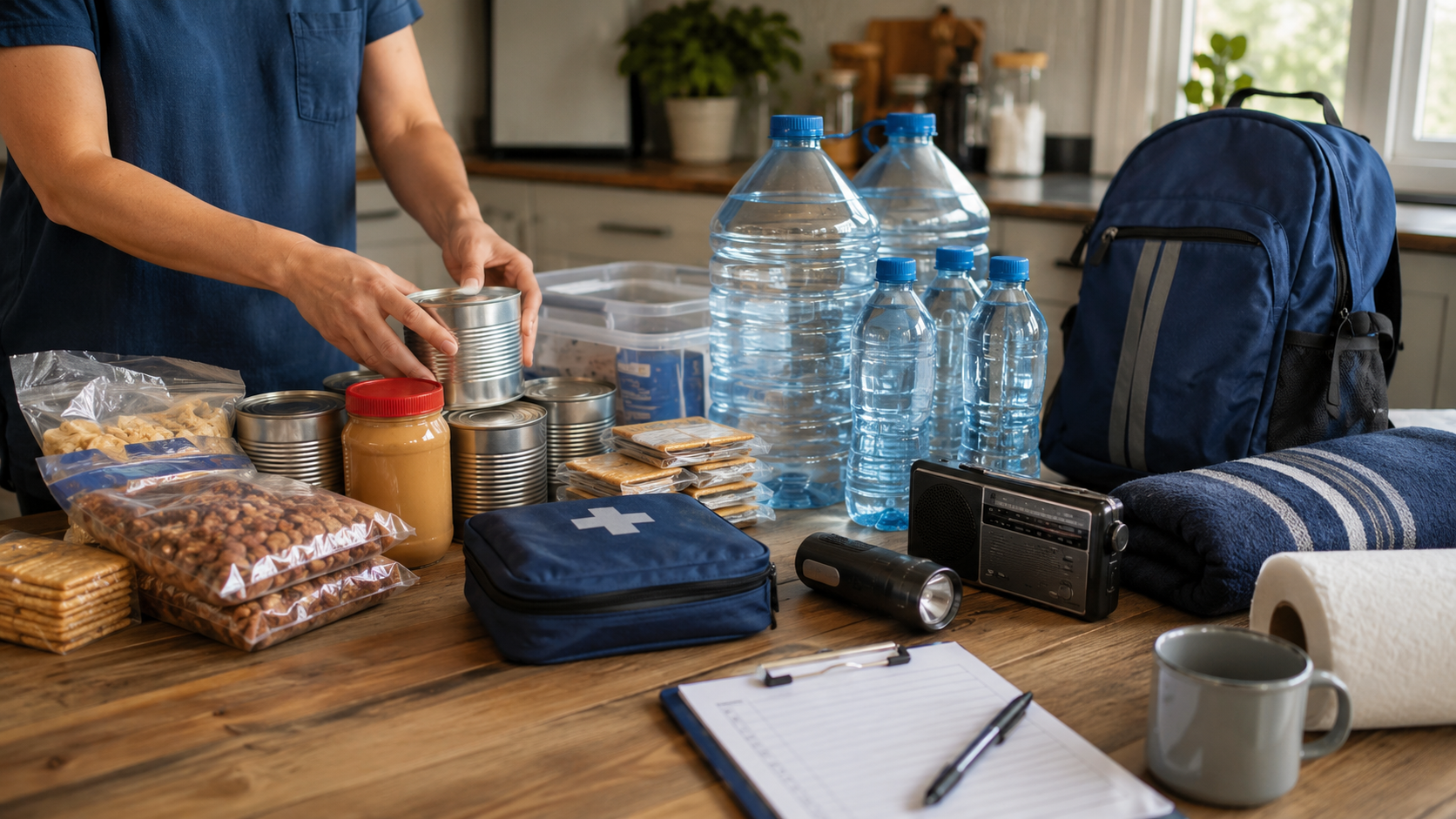
Recovering from a water supply failure requires a multifaceted approach that addresses immediate needs and long-term sustainability. Emergency measures, such as distributing bottled water and establishing temporary water distribution points, can provide relief during the crisis.
In the long term, investing in infrastructure upgrades and diversifying water sources can strengthen resilience against future failures. This might include the development of alternative water sources, such as rainwater harvesting and desalination, as well as incorporating smart technologies that monitor system performance and detect leaks in real-time.
Moreover, community engagement plays a significant role in recovery. Involving residents in planning and decision-making processes can foster a sense of ownership and responsibility towards local water resources. Educational programs that promote water conservation and awareness can also empower communities to take proactive steps in safeguarding their water supply.
Further Reading
Authoritative Sources
EPA Water Supply Systems Research epa.gov
This resource provides insights into the latest research on water supply systems and their vulnerabilities
WHO Drinking Water Facts who.int
A comprehensive overview of the importance of safe drinking water and the health impacts of water supply failures
ASCE Publications asce.org
Access research and publications on civil engineering solutions for water infrastructure challenges
Frequently Asked Questions
What are the main causes of water supply system failures?
Main causes include aging infrastructure, natural disasters, contamination, and operational failures.
How do water supply failures impact public health?
Water supply failures can lead to the spread of waterborne diseases and compromised sanitation practices.
What are the immediate actions taken during a water supply failure?
Immediate actions include distributing bottled water, establishing temporary distribution points, and informing the public about safety measures.
How can communities prepare for potential water supply failures?
Communities can prepare by developing contingency plans, investing in infrastructure maintenance, and promoting water conservation practices.
What long-term strategies can improve water supply resilience?
Long-term strategies include infrastructure upgrades, diversifying water sources, and incorporating smart monitoring technologies.
Conclusion
Water supply systems are critical to public health and community well-being. Understanding the causes and consequences of their failures is essential for effective management and recovery. Prioritizing infrastructure maintenance, developing contingency plans, and engaging communities in water conservation efforts can significantly enhance resilience. As climate change and population growth continue to strain water resources, proactive measures will be vital in ensuring reliable access to safe water for all.
Understanding how long canned food lasts is crucial for effective meal planning and food safety. Proper storage—keeping cans in a cool, dark, and dry place—can significantly extend their shelf life. Additionally, while canned goods may still be safe to eat after their best-by dates, their taste and nutritional value may diminish over time.
A common mistake is not paying attention to the can’s condition. Dented, rusted, or bulging cans can indicate spoilage and should not be consumed. Prioritizing the inspection of canned goods before use is vital, as it helps avoid foodborne illnesses and waste.
Factors Affecting Shelf Life of Canned Food
The shelf life of canned food is influenced by several factors, including the type of food, acidity, and the canning process. High-acid foods, such as fruits, tomatoes, and pickled products, generally have a shorter shelf life due to their susceptibility to spoilage. In contrast, low-acid foods, including meats and vegetables, can last significantly longer. Understanding these factors helps consumers make informed decisions when stocking their pantries.
Additionally, the canning process plays a vital role in food preservation. Foods that are properly canned and sealed can last much longer than those that are not. Home-canned goods, for instance, may have variable shelf lives depending on the method and ingredients used. Therefore, it’s essential to follow established canning guidelines to ensure safety and longevity.
Another critical aspect is the storage conditions. Even the best-sealed cans can spoil if stored in environments that are too warm, humid, or exposed to light. Prioritizing proper storage conditions is essential for maximizing the shelf life of canned foods.
Storage Conditions for Optimal Longevity
To maximize the shelf life of canned goods, proper storage conditions are paramount. Canned food should be kept in a cool, dry, and dark place. Ideal storage temperatures range from 50°F to 70°F (10°C to 21°C). High temperatures can cause the food inside to spoil more quickly, while damp conditions can lead to rust on the can, compromising its integrity.
Organizing your pantry can help ensure that older cans are used first, reducing waste. Consider using a first-in, first-out (FIFO) system where the oldest cans are placed at the front for easy access. This method not only helps in maintaining freshness but also ensures that you consume food before it reaches its expiration.
Moreover, avoid storing canned goods in areas that experience temperature fluctuations, such as garages or near stoves. Consistent temperatures contribute significantly to the longevity of canned food. Understanding these storage principles can help you make the most of your canned goods.
Common Mistakes When Using Canned Food
Many consumers make critical mistakes that can affect the safety and quality of canned food. One of the most common errors is ignoring the best-by dates. While these dates are not strict expiration dates, they do indicate when the food is likely to be at its peak quality. Consuming food past this date can lead to a decline in taste and texture.
Another mistake is failing to inspect cans before use. Dented, bulging, or rusted cans should be discarded, as they can harbor harmful bacteria. Prioritizing visual checks can prevent potential foodborne illnesses and ensure that you are consuming safe products.
Additionally, some people assume that all canned foods can be stored indefinitely. While many canned goods have long shelf lives, they do not last forever. Understanding the limits of canned food can help consumers avoid disappointment and waste.
Signs of Spoilage in Canned Foods
Identifying signs of spoilage in canned foods is crucial for food safety. One of the most apparent indicators is a bulging can, which may suggest that gas has built up inside due to bacterial growth. If a can appears swollen or has a strange odor upon opening, it should be discarded immediately.
Other signs of spoilage include leaks, rust, and significant dents. If the can shows any of these signs, it is better to err on the side of caution and dispose of it. Prioritizing safety when consuming canned foods can prevent health risks associated with spoiled items.
It’s essential to remember that not all spoilage is visible. Even if a can appears normal, if the contents smell off or have an unusual color, it is best not to consume them. Understanding these signs can help maintain food safety.
Further Reading
Authoritative Sources
USDA Food Safety and Inspection Service fsis.usda.gov
A reliable source for information on food safety and preservation methods
CDC Food Safety cdc.gov
Offers guidance on food safety, including canned food storage and consumption
Academy of Nutrition and Dietetics eatright.org
Provides practical tips for food safety and nutrition, including canned goods
Frequently Asked Questions
Can canned food go bad after the expiration date?
While many canned foods remain safe to eat after the expiration date, their quality may decline. Always check for signs of spoilage before consumption.
How should I store canned food for maximum shelf life?
Store canned food in a cool, dry, and dark place, ideally between 50°F and 70°F. Avoid areas with temperature fluctuations.
What should I do if a can is bulging?
Do not consume bulging cans, as this may indicate spoilage. Dispose of them immediately to avoid health risks.
Are home-canned goods safe to eat indefinitely?
No, home-canned goods have a limited shelf life. Follow safe canning practices and consume them within a year for best quality.
How can I tell if canned food is spoiled?
Signs of spoilage include bulging cans, leaks, rust, and an off smell upon opening. If any of these are present, do not consume the food.
Conclusion
Understanding how long canned food actually lasts is essential for effective meal planning and food safety. By recognizing the factors that influence shelf life and the importance of proper storage, you can maximize the longevity of your canned goods. Always inspect cans for signs of spoilage, as consuming compromised food can lead to serious health risks. Prioritize safe practices to ensure your pantry remains a reliable source of nutrition.
One prevalent error is storing bulk dry foods in their original packaging. Most packaging is not designed for long-term storage and may allow air and pests to enter. Instead, transferring items such as grains, beans, and flours into airtight containers can help prevent contamination and spoilage. Additionally, maintaining a consistent, cool temperature is crucial; fluctuations can lead to moisture buildup and mold growth.
Moreover, many people underestimate the impact of humidity on dry foods. Storing items in damp areas, such as basements, can create an environment conducive to spoilage. It’s vital to choose a dry, cool location for storage and regularly check the conditions. Prioritizing these aspects will not only extend the shelf life of your bulk dry foods but also enhance their quality.
Choosing the Right Storage Containers
Using appropriate storage containers is fundamental to preserving bulk dry foods. Many people mistakenly think that any container will suffice, but not all are created equal. Airtight containers are essential as they prevent air, moisture, and pests from entering. Glass jars, food-grade plastic containers, and vacuum-sealed bags are excellent options.
Moreover, labeling containers with the contents and date of storage can help track their freshness. Some foods, like rice and beans, can last for years if stored correctly, while others, like flour, may have a shorter shelf life. Prioritizing the right containers will ensure that your bulk foods remain fresh and safe to consume.
Additionally, it’s essential to ensure that containers are clean and dry before use. Any leftover moisture or contaminants can lead to spoilage. Regularly inspect your storage containers for signs of wear or damage and replace them as needed to maintain an optimal storage environment.
Temperature and Environment Control
The storage temperature of bulk dry foods plays a critical role in their longevity. Many people neglect this aspect, storing foods in areas exposed to heat or direct sunlight. Ideal storage temperatures typically range from 50°F to 70°F (10°C to 21°C). Exceeding these temperatures can accelerate spoilage and nutrient degradation.
To maintain a stable environment, consider using a climate-controlled storage area or a dedicated pantry. Additionally, avoid storing bulk foods near appliances that generate heat, like ovens or refrigerators. This simple adjustment can significantly increase the shelf life of your food supplies.
Monitoring temperature fluctuations is also essential. If you live in a region with extreme weather changes, consider using a thermometer in your storage area. This proactive approach helps you identify potential issues before they compromise your food quality.
Understanding Humidity and Its Effects
Humidity is another critical factor that can affect the quality of bulk dry foods. High humidity levels can lead to mold growth and spoilage, while low humidity can cause foods to dry out and lose flavor. It’s essential to store dry foods in a location with low humidity, ideally below 60% relative humidity.
Using desiccants, such as silica gel packets, in storage containers can help absorb excess moisture. Regularly checking humidity levels in your storage area with a hygrometer can also provide valuable insights into the conditions affecting your food supplies. If humidity levels are consistently high, consider investing in a dehumidifier.
Additionally, it’s important to avoid opening containers frequently, as this can introduce moisture and air. Instead, plan your usage to minimize exposure and maintain the integrity of your foods.
Common Pests and Prevention Methods
Pests are a common concern when storing bulk dry foods. Many individuals fail to recognize the risk of infestations, which can lead to significant food waste. Common pests include weevils, moths, and rodents, all of which can compromise your food supplies.
To prevent infestations, always inspect food items before storage. Look for signs of damage or pests and discard any compromised products. Additionally, consider using airtight containers, as mentioned earlier, which can deter pests from accessing your foods.
Regularly cleaning your storage area and removing any spilled food can also help reduce the likelihood of attracting pests. If you do encounter an infestation, it’s crucial to act quickly to eliminate the pests and salvage unaffected food items.
Further Reading
For additional information on effective bulk food storage practices, consider consulting resources from food safety organizations or agricultural extensions. These sources often provide valuable insights into best practices and tips for maintaining food quality over time.
Further Reading
Authoritative Sources
Investopedia investopedia.com
Clear explanations of investing, finance, markets, and personal money decisions.
SEC Investor Resources sec.gov
Official investor education and securities-related guidance from the U.S. Securities and Exchange Commission.
Internal Revenue Service irs.gov
Official tax guidance, forms, and compliance information.
Consumer Financial Protection Bureau consumerfinance.gov
Consumer guidance on credit, debt, lending, and financial products.
U.S. Small Business Administration sba.gov
Business planning, funding, and operational guidance for small businesses.
Frequently Asked Questions
What are the best containers for storing bulk dry foods?
Airtight containers made of glass or food-grade plastic are ideal for storing bulk dry foods as they prevent air and moisture from affecting the contents.
How can I control humidity when storing dry foods?
Keep your storage area dry and use desiccants like silica gel packets to absorb excess moisture. Regularly check humidity levels with a hygrometer.
What temperature is best for storing dry foods?
Bulk dry foods should be stored in a cool environment, ideally between 50°F and 70°F (10°C to 21°C), to maintain their quality and shelf life.
How often should I check my stored food supplies?
Regular checks every few months are advisable to inspect for signs of spoilage, pests, or changes in storage conditions.
What should I do if I find pests in my food storage?
If you find pests, immediately remove the affected items, clean the storage area thoroughly, and inspect remaining foods for signs of contamination.
Conclusion
Properly storing bulk dry foods requires attention to detail and an understanding of common pitfalls. By using the right containers, controlling temperature and humidity, and preventing pest infestations, you can significantly enhance the quality and longevity of your food supplies. Prioritize these factors to ensure that your bulk dry foods remain fresh and safe to consume over the long term. With careful planning and attention, you can maintain a reliable stock of essential ingredients for your cooking and baking needs.
Understanding the intricacies of solar power during extended outages is vital for homeowners and businesses considering this renewable energy source. For instance, a well-designed solar system paired with adequate energy storage can sustain essential functions for days or even weeks without grid access. Conversely, insufficient system capacity or poor weather conditions could lead to power shortages, which is a common misconception among potential users.
It’s essential to recognize that while solar power offers significant advantages during grid failures, it also has limitations. For example, solar energy production is contingent upon sunlight availability, which can be affected by seasonal changes or local weather conditions. Therefore, proper planning, including the installation of an appropriately sized solar system and battery storage, is crucial for ensuring a reliable power supply during outages.
Understanding Solar Energy Systems
Solar energy systems consist of solar panels, inverters, and often battery storage. Solar panels convert sunlight into electricity, while inverters convert this electricity into a usable form for homes and businesses. Understanding how these components work together is vital for maximizing reliability during outages.
When considering solar energy, it’s essential to evaluate the size of the system. A larger solar array can generate more electricity, which is particularly important during prolonged grid failures. However, system size must be balanced with the available roof space and budget. Additionally, maintenance plays a role; regular cleaning and inspections can help ensure optimal performance.
Moreover, potential users should assess their energy needs accurately. Many homeowners underestimate their energy consumption, leading to inadequate system sizing. A comprehensive energy audit can help in determining the right solar power setup, ensuring that it meets demands even during extended outages.
The Role of Battery Storage
Battery storage systems are crucial for enhancing the reliability of solar power during grid failures. These systems store excess energy generated during sunny periods, making it available for use when the sun isn’t shining or during outages.
Choosing the right battery type and capacity is essential. Lithium-ion batteries, for example, offer high energy density and longevity, making them a popular choice for solar installations. However, the upfront cost can be significant. Users should weigh the benefits of reliable power against the initial investment. A common mistake is to select a battery that cannot store enough energy for extended outages, leading to power shortages.
Additionally, understanding battery management is vital. Users must ensure their solar setup includes a battery management system to optimize charging and discharging cycles, prolonging battery life and performance. This proactive approach can prevent unexpected failures during critical times.
Weather and Geographic Considerations
The effectiveness of solar power during grid failures is heavily influenced by geographic and climatic factors. Regions with abundant sunshine can generate more energy, while areas with frequent cloud cover may struggle.
Potential solar users should evaluate their local climate and solar insolation levels. This information can help determine the expected energy production and inform system design. For example, those living in areas prone to winter storms may need to account for potential snow cover on solar panels, which can reduce energy generation.
Moreover, geographic factors can also affect battery performance. Cold temperatures can reduce battery efficiency, so users in colder climates should consider battery options that perform well in low temperatures, ensuring reliable power during winter outages.
Common Misconceptions About Solar Power
Many misconceptions surround the reliability of solar power during grid failures. One prevalent myth is that solar systems are ineffective during cloudy days or at night. While energy production does decrease under these conditions, systems equipped with battery storage can still provide power.
Another misconception is that solar power systems require constant sunshine to function. In reality, they can operate effectively even in overcast conditions, though energy output will be lower. Additionally, some users mistakenly believe that once solar panels are installed, no further maintenance is required. Regular inspections and cleaning are necessary to maintain optimal performance.
In summary, potential users often overlook the importance of energy efficiency. Improving energy efficiency in a home can significantly reduce overall energy needs, making a smaller solar system more effective. Prioritizing energy efficiency measures can lead to substantial cost savings and improved reliability during outages.
Further Reading
Authoritative Sources
U.S. Department of Energy – Solar Energy energy.gov
This resource provides comprehensive information about solar energy technologies and their applications, helping readers understand solar power reliability
National Renewable Energy Laboratory – Solar Research nrel.gov
A trusted source for research on solar energy systems, including performance data and reliability studies
Solar Energy Industries Association seia.org
Offers insights into solar industry trends and resources for consumers considering solar power installations
Frequently Asked Questions
How long can solar power last during a grid failure?
The duration solar power can last during a grid failure largely depends on the system size and battery capacity. With adequate storage, some systems can provide power for several days.
Do solar panels work at night?
Solar panels do not generate electricity at night. However, systems with battery storage can use stored energy from the day to supply power during nighttime.
What happens if there is a power outage?
During a power outage, solar systems with battery storage can continue to supply energy, whereas grid-tied systems may shut down to protect utility workers.
Can solar power systems be expanded?
Yes, solar power systems can often be expanded by adding more panels or batteries, allowing users to increase their energy generation and storage capacity.
What are the costs associated with solar power systems?
Costs vary widely depending on system size, type of solar panels, and battery storage. While the upfront investment can be significant, many find savings in the long run.
Conclusion
In closing, solar power can be a reliable energy source during long grid failures, especially when combined with effective battery storage. Proper system sizing, regular maintenance, and an understanding of local weather conditions are crucial for maximizing reliability. By addressing common misconceptions and prioritizing energy efficiency, users can ensure their solar setup meets their needs during outages. For those considering solar energy, carefully evaluating their energy demands and planning accordingly will enhance their resilience against grid failures.
Understanding the dynamics of humidity and its impact on food preservation is essential. In humid conditions, moisture can penetrate packaging and promote bacterial growth. Therefore, prioritizing moisture control is key. Regularly checking food for signs of spoilage, rotating stock, and maintaining a clean storage area can help mitigate these risks. Additionally, using refrigeration for perishable items can extend their shelf life considerably.
Many people overlook the importance of proper storage techniques specific to humid conditions. For instance, simply placing food in the pantry does not guarantee its safety from humidity. Instead, consider utilizing desiccants like silica gel or rice in containers to absorb excess moisture. Investing in a dehumidifier for storage areas can also be beneficial, especially for long-term food storage.
Understanding Humidity and Its Effects
Humidity can drastically affect food quality, leading to faster spoilage and degradation. In humid environments, the moisture content in the air increases the likelihood of mold and bacteria growth on food. Foods like grains, nuts, and dried fruits are particularly susceptible to moisture absorption, which can compromise their taste and safety.
To combat this, it’s important to identify which foods are most at risk and take preventive measures. For example, storing grains in a dry, cool place helps maintain their quality. Understanding the specific moisture tolerance of various foods can guide storage choices, ensuring you prioritize items that require more stringent conditions.
Moreover, be aware of the signs of spoilage that may arise from humidity, such as discoloration, off-odors, and changes in texture. Regularly inspecting stored food can help you catch these issues early, preventing waste and potential health risks.
Airtight Containers: Your First Line of Defense
Airtight containers are essential for food storage in humid climates. They prevent moisture from entering and protect food from pests. Glass jars, plastic containers with tight-sealing lids, and vacuum-sealed bags are excellent options. Choose containers that are suitable for the type of food you are storing, ensuring they are food-grade and BPA-free.
When using airtight containers, ensure they are completely dry before adding food. This simple step can significantly reduce moisture levels inside the container. Additionally, labeling containers with dates can help you track freshness and encourage rotation of stock, minimizing waste.
Many people underestimate the effectiveness of airtight containers. Not only do they keep food fresh, but they also help maintain flavor and texture. Make it a habit to check seals and condition regularly to ensure maximum protection.
Using Silica Gel and Other Desiccants
Incorporating desiccants, such as silica gel packets or rice, can further enhance food preservation in humid conditions. These materials absorb excess moisture, preventing mold and spoilage. Place desiccants in containers with dried goods, grains, and other moisture-sensitive items to improve longevity.
While silica gel packets are commonly used, ensure they are food-safe and not in direct contact with food. Regularly replace these packets as they can become saturated over time. For rice, simply placing a small bowl in a container can help absorb moisture without risk.
It’s important to note that desiccants are supplementary measures. They work best in conjunction with airtight containers and proper storage practices. Always monitor food for signs of spoilage, even when using desiccants.
Vacuum Sealing for Long-Term Storage
Vacuum sealing is a highly effective method for preserving food in humid climates. By removing air from packaging, vacuum sealing reduces the chances of oxidation and moisture exposure. This method is ideal for storing meats, vegetables, and dried goods for extended periods.
When vacuum sealing, ensure that food is dry and free from excess moisture. This not only enhances the sealing process but also prevents spoilage. Utilize vacuum sealers with adjustable settings for different food types, ensuring optimal preservation.
Many people overlook the importance of labeling vacuum-sealed bags. Include the contents and date of sealing to maintain organization and ensure items are used within their best timeframe. Vacuum-sealed foods can last significantly longer than traditionally stored items, providing both convenience and safety.
Refrigeration and Freezing Techniques
Refrigeration is crucial for perishable items in humid climates. Foods like dairy, meats, and certain fruits should be stored in the refrigerator to prevent spoilage. Ensure your refrigerator is set to the appropriate temperature, ideally below 40°F (4°C).
For long-term storage, consider freezing items that may not be consumed quickly. Properly wrap food in moisture-proof packaging to prevent freezer burn. When thawing, do so in the refrigerator rather than at room temperature to minimize bacterial growth.
Many individuals underestimate the impact of temperature fluctuations on food quality. Regularly check refrigerator and freezer temperatures to avoid spoilage. Additionally, avoid overloading appliances, as this can restrict airflow and lead to uneven cooling.
Further Reading
Authoritative Sources
Ready.gov ready.gov
Official U.S. preparedness guidance, checklists, and planning resources for households and emergencies.
FEMA fema.gov
Federal emergency management resources, disaster planning information, and recovery guidance.
American Red Cross Emergency Preparedness redcross.org
Practical emergency preparation steps, supply lists, and safety guidance for families.
National Weather Service weather.gov
Official forecasts, hazard alerts, and weather safety information.
CDC Emergency Preparedness and Response cdc.gov
Public health guidance for emergencies, disasters, and recovery situations.
Frequently Asked Questions
What are the best containers for storing food in humid climates?
Airtight containers made of glass or high-quality plastic are ideal. They prevent moisture and pests from affecting food quality.
How can I tell if my food has spoiled?
Look for signs such as discoloration, off-odors, or changes in texture. If in doubt, it’s safer to discard the item.
Is vacuum sealing effective for all types of food?
While vacuum sealing is excellent for meats and dried goods, it may not be suitable for foods with high moisture content unless properly prepared.
Can I use regular plastic bags for food storage?
Regular plastic bags may not provide adequate protection against moisture and pests. It’s better to use food-grade airtight containers or vacuum-sealed bags.
What is the role of desiccants in food storage?
Desiccants absorb excess moisture, helping to prevent mold growth and spoilage in stored food.
Conclusion
To successfully store food in humid climates, prioritize moisture control through airtight containers, desiccants, and vacuum sealing. Regularly inspect food for spoilage and maintain proper refrigeration practices. By understanding the specific needs of different foods and employing effective storage techniques, you can significantly extend freshness and safety, ensuring your food remains enjoyable and safe to consume.