
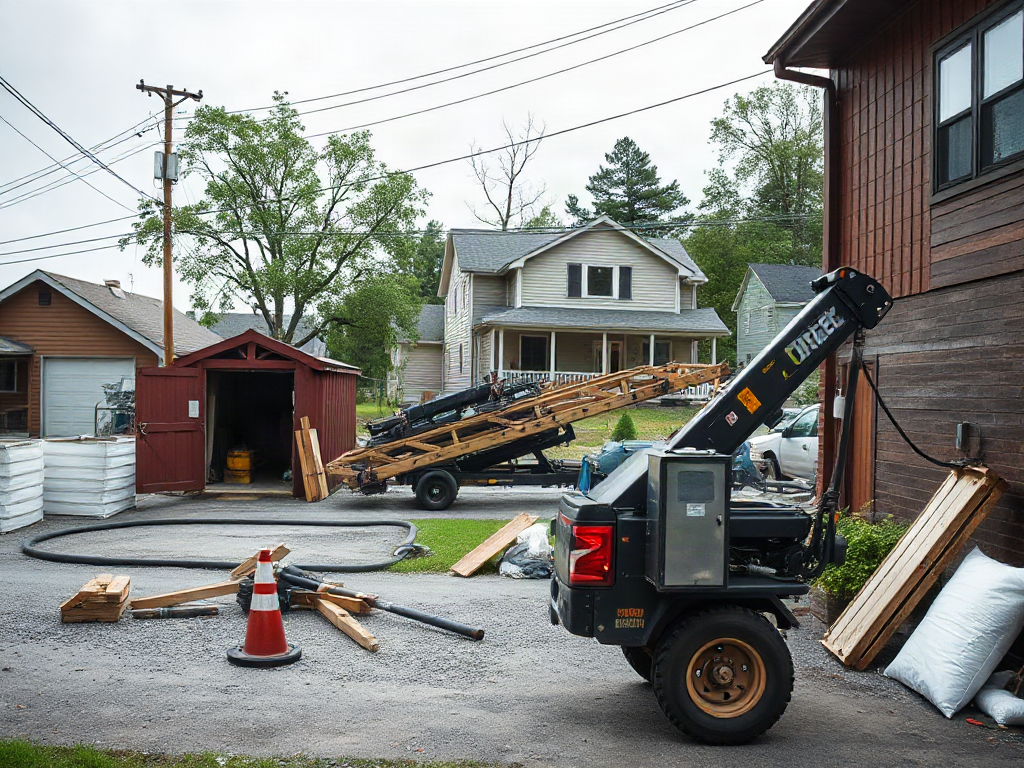
Preparedness and mitigation differences in disaster planning come down to timing and purpose: preparedness builds the ability to respond during an emergency, while mitigation reduces the hazard’s likely damage before it occurs. Preparedness includes evacuation routes, communication plans, backup power, water, and drills; mitigation includes flood barriers, wildfire-resistant landscaping, seismic bracing, and safer building decisions. A household may need both because mitigation can lower exposure without guaranteeing safety, while preparedness remains necessary when an event exceeds protective measures. The most useful planning approach links each hazard to one risk-reduction project and one response action, then tests both through realistic reviews rather than assuming stored supplies alone provide adequate protection.
What you’ll learn
This guide covers the following practical points:
- The Practical Difference Between Preparedness And Mitigation — Preparedness and mitigation address different points in the disaster cycle.
- How Timing Changes The Planning Decision — Timing separates the two approaches most clearly.
- Matching Measures To Specific Hazards — Disaster planning becomes more accurate when each measure is tied to a hazard mechanism.
- Building Both Into One Workable Plan — A strong disaster plan connects physical risk reduction with human action.
The Practical Difference Between Preparedness And Mitigation
Preparedness and mitigation address different points in the disaster cycle. Preparedness gives people the supplies, information, skills, and arrangements needed to act when a threat is imminent or already unfolding. Mitigation changes the home, community, infrastructure, or behavior in advance so the hazard produces less damage or disruption.
A household preparing for a hurricane might store water, identify a shelter, charge battery packs, and establish an out-of-area contact. Those actions improve response capacity. Installing storm shutters, elevating vulnerable equipment, securing the roof, and improving drainage are mitigation measures because they reduce likely losses before the storm arrives. Neither category replaces the other: shutters do not tell family members where to go after an evacuation order, and an evacuation kit does not reduce wind exposure.
The distinction matters when money, time, or attention is limited. A low-cost preparedness action may be sensible immediately, while a larger mitigation project may offer greater long-term risk reduction but require permits, contractors, insurance review, or coordination with a landlord. A renter may be able to secure furniture, request smoke-alarm repairs, and keep a go-bag ready, but may not be able to reinforce walls or alter drainage.
Use the difference as a planning test. If an action helps you function after warning, injury, displacement, or service failure, it is mainly preparedness. If it lowers the chance or severity of damage before response begins, it is mainly mitigation. Some measures overlap: a backup generator can support response, while a permanently installed safe electrical system may reduce certain hazards. Labeling the purpose prevents a common error—treating a well-stocked closet as proof that the property itself is resilient.
How Timing Changes The Planning Decision
Timing separates the two approaches most clearly. Preparedness is activated or tested around a possible event; mitigation is designed to work continuously, often without anyone taking action during the emergency. A family may need to remember evacuation routes, move vehicles, and collect medications during a warning. A defensible-space project, anchored water heater, or flood-resistant utility placement can reduce exposure before anyone receives an alert.
Preparedness is especially valuable for hazards with short notice or fast-moving effects. Tornadoes, earthquakes, flash floods, and utility failures may leave little time for purchases or elaborate decisions. In those cases, functional steps include keeping essential medications accessible, knowing which rooms provide better protection, maintaining multiple alert channels, and practicing how household members will reconnect if separated. The test is not whether the plan sounds thorough; it is whether a tired person can follow it under noise, darkness, poor communications, or incomplete information.
Mitigation usually rewards earlier investment. Replacing a vulnerable roof, relocating a furnace above a likely flood level, or improving slope drainage may reduce damage across multiple seasons. The tradeoff is that mitigation can be expensive and hazard-specific. A flood barrier may be poorly suited to a wildfire-prone property, while vegetation removal may do little for an earthquake. A project should be assessed against the actual exposure, not against a general desire to feel safer.
Review timing in three layers: what can be done this week, what can be improved before the next hazard season, and what belongs in a longer property or community project. A useful sign that preparedness is working is reduced hesitation during a drill or warning. A useful sign that mitigation is working is that vulnerable components have been identified and physically improved. If the plan depends on buying critical items after an alert, or if a mitigation project has no clear hazard connection, the sequence needs revision.
Matching Measures To Specific Hazards
Disaster planning becomes more accurate when each measure is tied to a hazard mechanism. Earthquake preparedness may include securing a communication plan, storing water, learning how to shut off utilities when appropriate, and identifying safer locations away from falling objects. Earthquake mitigation may include anchoring heavy furniture, bracing vulnerable equipment, and addressing structural weaknesses through qualified local guidance. A shelf anchor is not a substitute for structural assessment, but it can address a distinct household injury risk.
Flood planning shows the contrast between response and exposure reduction. Preparedness involves monitoring official warnings, knowing higher-ground routes, protecting documents, arranging transportation, and keeping waterproof medication or identification containers available. Mitigation may involve backflow protection where appropriate, elevating appliances, improving grading, or using flood-resistant materials in vulnerable areas. Moving valuables upstairs during a warning is a preparedness action; permanently relocating the electrical panel away from expected water is mitigation.
Wildfire creates another useful comparison. Preparedness includes evacuation triggers, vehicle readiness, pet arrangements, respirator considerations, and a method for receiving changing instructions. Mitigation can include reducing combustible material near structures, maintaining defensible space according to local guidance, using more resistant exterior materials, and closing openings that allow embers to enter. Clearing vegetation may reduce exposure but cannot guarantee a structure will survive extreme conditions, so evacuation readiness remains necessary.
Do not copy a measure from one hazard into another without checking its mechanism. A portable air cleaner may be useful during smoke intrusion but does not address evacuation logistics. Sandbags may redirect limited water in some circumstances but are not a universal flood solution. For each major threat, write one sentence describing the hazard, one mitigation action that changes the exposure, and one preparedness action that improves response. That simple pairing exposes gaps more reliably than a generic Preparedness and mitigation differences in disaster planning checklist.
Building Both Into One Workable Plan
A strong disaster plan connects physical risk reduction with human action. Begin by listing the hazards that are plausible for the location, then identify the people, property features, and services most vulnerable to each one. The result should not be an abstract catalog. It should show what could fail, which intervention changes that failure, and what the household will do if the intervention is insufficient.
Use a compact priority sequence:
- Protect life first: identify shelter locations, evacuation routes, warning sources, and medical or mobility needs.
- Reduce recurring exposure: address the property feature most likely to worsen harm, such as unsecured contents, combustible material, or flood-prone equipment.
- Maintain essential functions: plan for water, medications, communications, lighting, sanitation, and transportation.
- Test the connection: run a short scenario that requires both a mitigation feature and a preparedness action.
For example, a household may install seismic latches and then practice moving through the home after a simulated nighttime earthquake. The exercise may reveal that the latches work but that shoes, flashlights, or a communication method are inaccessible. Conversely, an evacuation drill may run smoothly while exposing a blocked driveway or a stored generator that cannot be safely operated. Testing turns assumptions into observable findings.
Tradeoffs should be recorded rather than hidden. A mitigation project may consume funds needed for medications or transportation; an evacuation plan may protect life while creating costs for lodging and animal care. Prioritize actions that address severe consequences, affect several household members, and remain useful across more than one scenario. Revisit the plan after renovations, changes in health, new vehicles, altered work schedules, or changes in local warnings. A plan that worked for a two-person household may fail when children, older adults, or dependent neighbors are included.
Common Planning Mistakes And Better Priorities
The most persistent mistake is treating preparedness as a purchase and mitigation as a large construction project. Preparedness is more than supplies: it includes decisions, practiced communication, transportation, and knowledge of official instructions. Mitigation is more than expensive retrofits: securing contents, correcting a trip hazard, maintaining drainage, and reducing combustible storage may be meaningful steps when they match a documented exposure.
Another error is prioritizing visible equipment over hidden dependencies. A generator may be useless if fuel storage, ventilation, transfer equipment, maintenance, or safe operating knowledge has not been addressed. A radio does not solve a communication plan if nobody knows which contact or channel to use. Likewise, a new roof may reduce one vulnerability while unaddressed drainage continues to send water toward the foundation.
Review each proposed action with four questions: What hazard does it address? What failure does it interrupt? Who must act, and under what conditions? What limitation remains after the action? The answers help distinguish a real improvement from a symbolic purchase. They also make it easier to choose between a low-cost immediate measure and a longer project.
Keep documentation accessible in both digital and offline forms, but do not assume technology will remain available. Include property shutoffs, insurance contacts, medication information, meeting locations, pet arrangements, and copies of essential records as appropriate. Official emergency-management agencies, building professionals, and local utility guidance can help with hazard-specific decisions; generalized internet advice may not reflect local terrain, construction, or warning systems.
Use Preparedness and mitigation differences in disaster planning as a review lens, not as two isolated categories. The goal is a chain: reduce exposure where feasible, recognize the warning, take the right action, and continue functioning if services are interrupted.
Frequently Asked Questions
What is the simplest difference between preparedness and mitigation?
Preparedness improves the ability to respond when danger is possible or occurring. Mitigation reduces the expected damage or exposure before the event.
Can one action count as both preparedness and mitigation?
Yes. A measure such as backup power may support response, while permanent electrical improvements may reduce certain equipment risks. Its category depends on the function being evaluated.
Which should a household do first?
Address life safety, warnings, evacuation or shelter decisions, medications, and communication first. Then target the property vulnerability most likely to worsen the relevant hazard.
Is storing emergency supplies considered mitigation?
Usually no. Supplies improve preparedness by helping people function during disruption; mitigation changes the conditions that create or amplify damage.
How can I tell whether a disaster plan is working?
Test it with a realistic short scenario. Look for quick access to warnings and essentials, clear responsibilities, workable routes, and property measures that address a specific exposure.
Conclusion
Preparedness and mitigation work best as linked decisions rather than competing labels. Preparedness covers the actions and resources needed when warnings, damage, or service interruptions demand a response. Mitigation reduces the exposure that makes that response harder, whether through safer storage, property improvements, hazard-resistant construction, or changes to the surrounding landscape. Start by identifying the hazards that genuinely affect your location, then pair one feasible risk-reduction action with one tested response action for each. Check the remaining limitations, including cost, rental restrictions, transportation, health needs, and the possibility that warnings or utilities may fail. Revisit the pairings after major household or property changes. That process produces a plan grounded in actual consequences instead of a supply list that may not match the threat.
Additional Resources
Authoritative Sources
- Disaster Planning | U.S. Climate Resilience Toolkit
toolkit.climate.govPlanning for a disaster encompasses the four cornerstones of emergency management: (i) preparedness; (ii) response; (iii) recovery; and (iv) mitigation.
- Hazard Mitigation Planning
fema.govHazard mitigation planning reduces loss of life and property by minimizing the impact of disasters. It begins with state, tribal and local ...